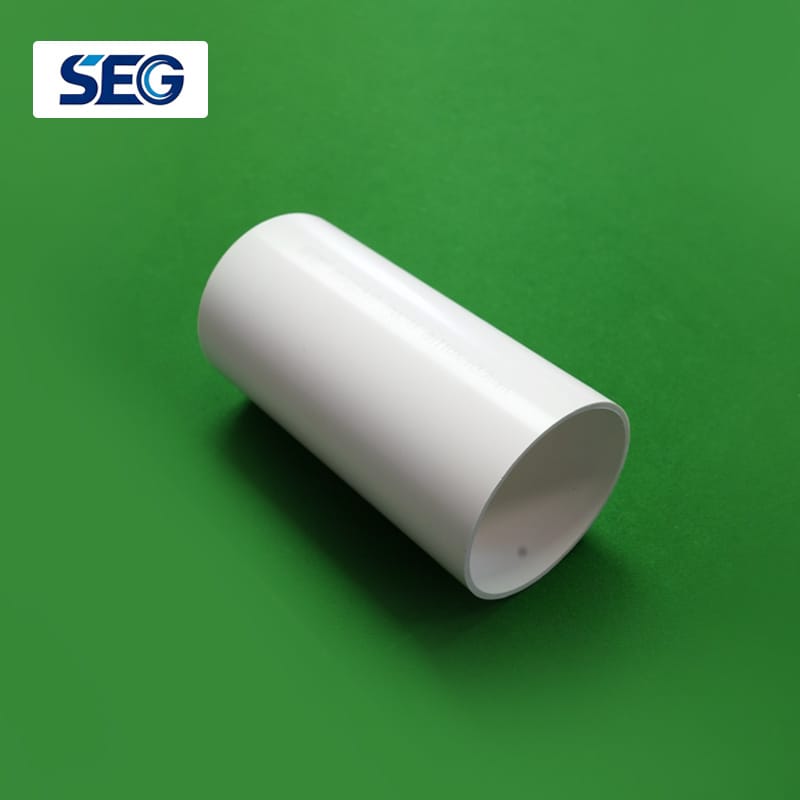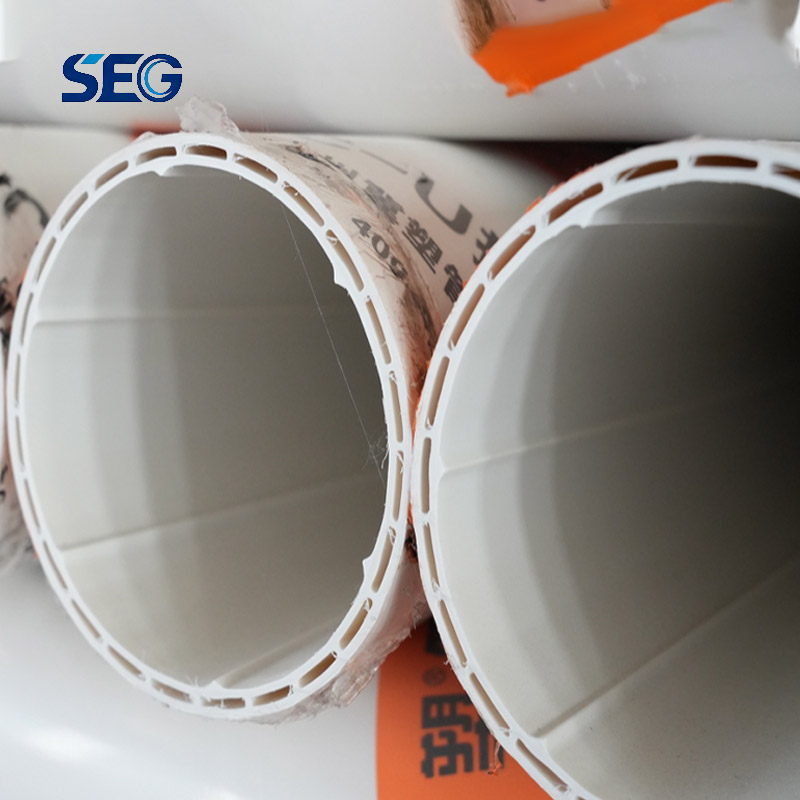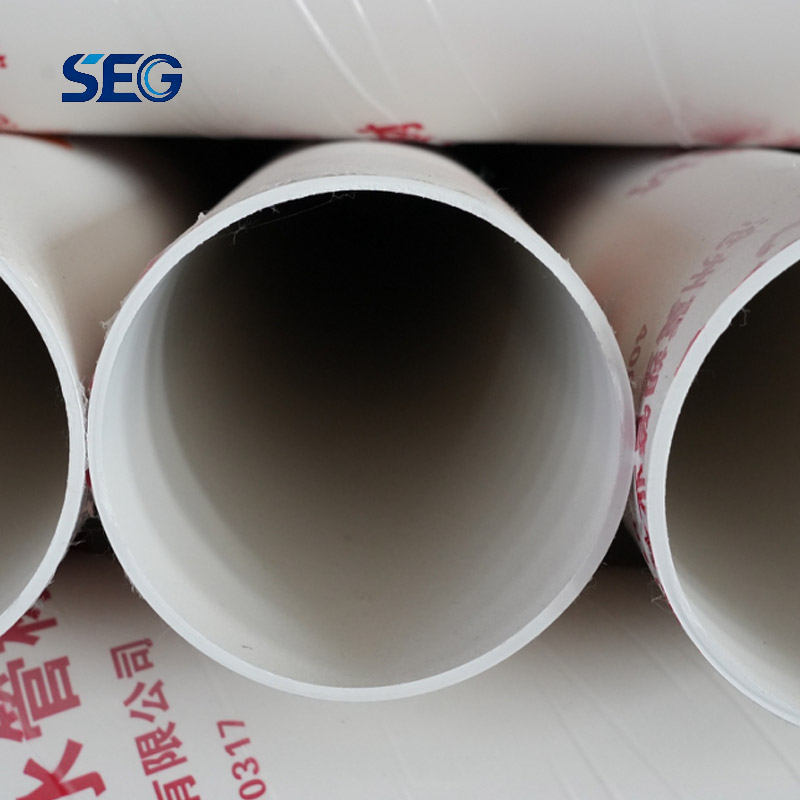
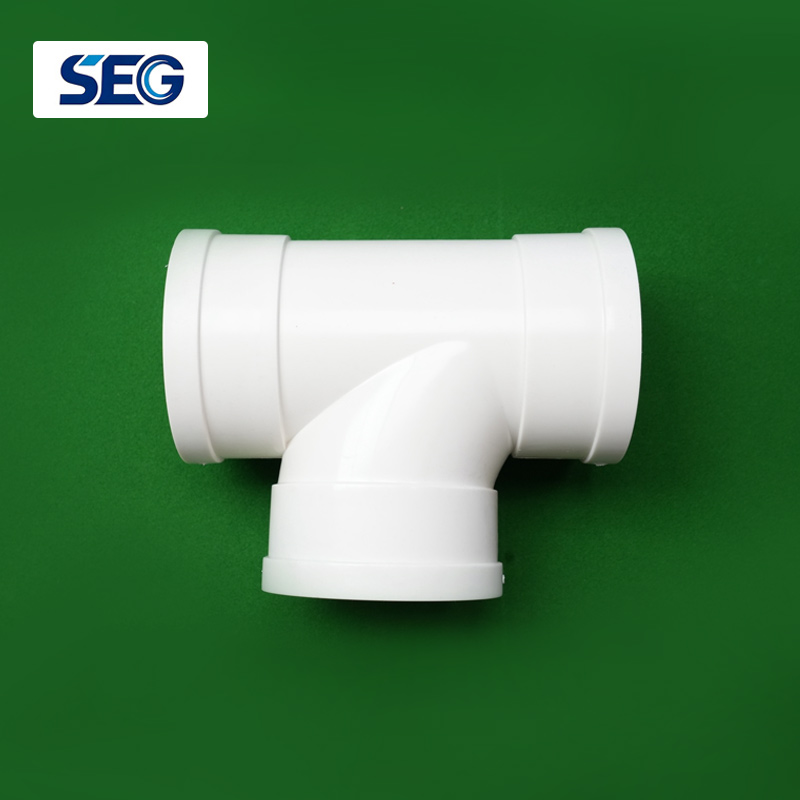
The sanitary tee vs wye decision depends on direction and flow path. A sanitary tee introduces a branch with a tighter curved entry and is commonly used for specific vertical drainage connections; a wye merges flow at an angle and provides a smoother path often preferred in horizontal drainage. Local plumbing code, branch function, cleanout access, and exact fitting geometry control the permitted orientation.
This guide keeps the scope on PVC-U Equal Tee and the decision promised by the title. It does not replace the governing code, project specification, manufacturer instructions, or an engineering review of the actual service.
Table of Contents
Quick Comparison
| Decision | What changes | Selection check |
|---|---|---|
| Read the fitting as a flow path | An equal tee, sanitary tee, wye, and combination fitting turn flow differently | Specify the standard and fitting pattern, not only the branch angle |
| Distinguish vertical and horizontal branches | A fitting acceptable for a vertical stack connection may not be appropriate for a horizontal-to-horizontal drainage branch | Apply local plumbing rules to each orientation |
| Protect the hydraulic radius | Abrupt changes can increase turbulence and solids deposition | Resolve the fitting before ceiling coordination is complete |
| Use reducing branches carefully | Branch and run size affect velocity, venting, and blockage risk | Do not create an unintended pocket |
Read the fitting as a flow path
An equal tee, sanitary tee, wye, and combination fitting turn flow differently. Names vary across markets, so inspect the actual molded geometry.
Specify the standard and fitting pattern, not only the branch angle. For sanitary tee vs wye, the purpose of this step is to turn “an equal tee, sanitary tee, wye, and combination fitting turn flow differently” into a check that can be accepted or rejected. Complete it before PVC-U Equal Tee moves beyond read the fitting as a flow path, and identify the document or measurement that supports the result.
Distinguish vertical and horizontal branches
A fitting acceptable for a vertical stack connection may not be appropriate for a horizontal-to-horizontal drainage branch. Gravity flow needs directional guidance.
Apply local plumbing rules to each orientation. The practical risk at distinguish vertical and horizontal branches is an interface that appears acceptable by itself but fails when assembled. Relate the PVC-U Equal Tee finding to the mating pipe, fitting, structure, instrument, coating, or building element affected by “gravity flow needs directional guidance”.
Protect the hydraulic radius
Abrupt changes can increase turbulence and solids deposition. Longer sweeps occupy more space but may improve maintenance access.
Resolve the fitting before ceiling coordination is complete. Timing matters here. Evidence for protect the hydraulic radius is strongest while the relevant marking, surface, dimension, or connection is visible. For sanitary tee vs wye, record the item reference, observed condition, and disposition before later work conceals the feature described by “resolve the fitting before ceiling coordination is complete”.
Use reducing branches carefully
Branch and run size affect velocity, venting, and blockage risk. Place reducers in the orientation required to maintain drainage characteristics.
Do not create an unintended pocket. Keep design and workmanship decisions separate during use reducing branches carefully. The approved drawing, data sheet, code, or procedure defines the required PVC-U Equal Tee condition; inspection establishes whether the supplied condition meets it. A familiar shop practice cannot replace that comparison.
Coordinate vent connections
Vents control pressure fluctuations and protect trap seals. The correct fitting depends on whether it carries waste, air, or both.
Keep vent takeoffs clear of likely solids flow where code requires. Review coordinate vent connections across normal operation, testing, startup, shutdown, and maintenance where those states are relevant. The sanitary tee vs wye decision should remain suitable when temperature, load, flow, access, or support conditions change from the installation state.
Plan rodding direction
Cleaning equipment should enter with the expected flow path rather than collide with a square branch. Provide cleanouts where direction changes make access difficult.
Check clearance for the actual cleaning tool. If plan rodding direction produces a deviation, describe the exact PVC-U Equal Tee condition and affected quantity before proposing repair or use-as-is. Technical approval should address the consequence identified by “provide cleanouts where direction changes make access difficult”, not only the commercial or schedule effect.
Assemble without forcing alignment
Dry-fit the layout, verify insertion depth, and support adjoining pipe. A stressed socket can crack or creep after concealment.
Correct the hanger or pipe cut instead of levering the fitting into place. Inspection evidence for assemble without forcing alignment should be traceable to the affected PVC-U Equal Tee. Link photographs, reports, gauges, certificates, or drawings to the item or location so that another reviewer can verify why “correct the hanger or pipe cut instead of levering the fitting into place” was considered satisfied.
Inspect molded quality and markings
Check sockets, branch shape, cracks, contamination, dimensions, material identification, and required approvals. Keep fittings protected from impact and sunlight as specified.
Do not install a damaged fitting because the defect sits behind a wall. Close inspect molded quality and markings with an explicit status: accepted, rejected, conditionally released, or awaiting information. The final sanitary tee vs wye file should show approved changes and open actions, preventing an unresolved point about “check sockets, branch shape, cracks, contamination, dimensions, material identification, and required approvals” from reaching construction or operation.
Standards and Source Documents
Use the edition named by the contract. Primary reference starting points include PPI polypropylene piping FAQ, Plastics Pipe Institute, NSF plumbing materials guidance, ISO standards catalogue. Their scopes differ, so a general reference must not be treated as the acceptance criterion for every product or project.
Related Sirgou Resources
Compare the PVC-U Equal Tee product page with Pvc U Reducing Tee and 90 Degree Pvc Elbow. For supplier qualification context, read the pipe and fittings supplier guide. These pages support product research; they do not make adjacent products interchangeable.
Frequently Asked Questions
What should be confirmed first? — sanitary tee vs wye
An equal tee, sanitary tee, wye, and combination fitting turn flow differently. Specify the standard and fitting pattern, not only the branch angle. If the project document is more specific, its requirement controls.
Which interface causes the most mistakes? — sanitary tee vs wye
Abrupt changes can increase turbulence and solids deposition. Resolve the fitting before ceiling coordination is complete. If the project document is more specific, its requirement controls.
When should the check be recorded? — sanitary tee vs wye
Cleaning equipment should enter with the expected flow path rather than collide with a square branch. Check clearance for the actual cleaning tool. If the project document is more specific, its requirement controls.
What belongs in the final acceptance file? — sanitary tee vs wye
Check sockets, branch shape, cracks, contamination, dimensions, material identification, and required approvals. Do not install a damaged fitting because the defect sits behind a wall. If the project document is more specific, its requirement controls.
Project Takeaway
The sanitary tee vs wye decision depends on direction and flow path. Use the article as a decision guide, then put the selected values, acceptance evidence, and approved deviations into the controlled project documents. For product-specific questions, contact Sirgou with the service conditions, size range, quantities, standards, and required documentation.