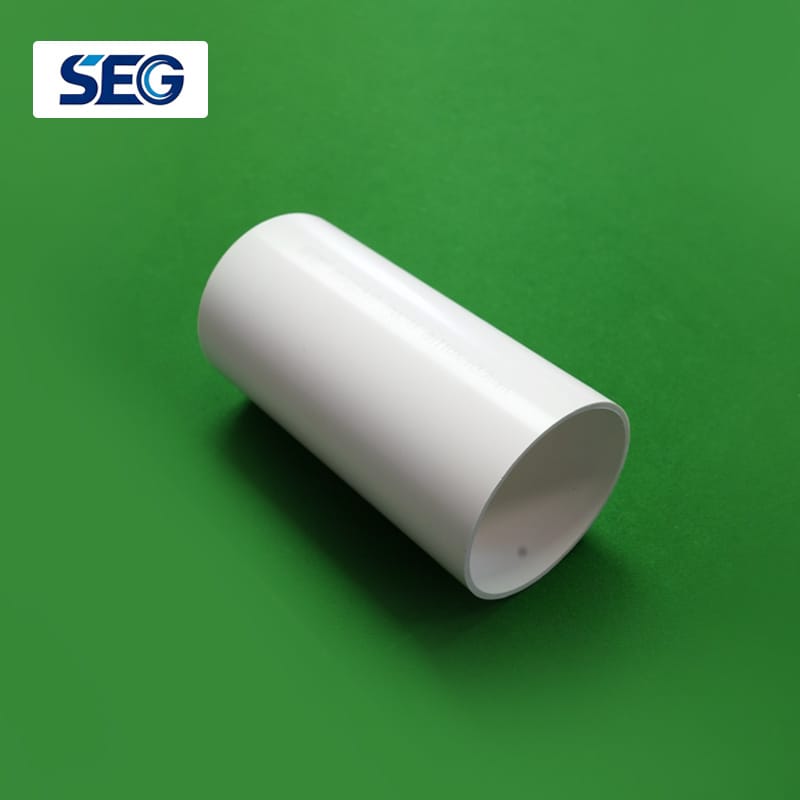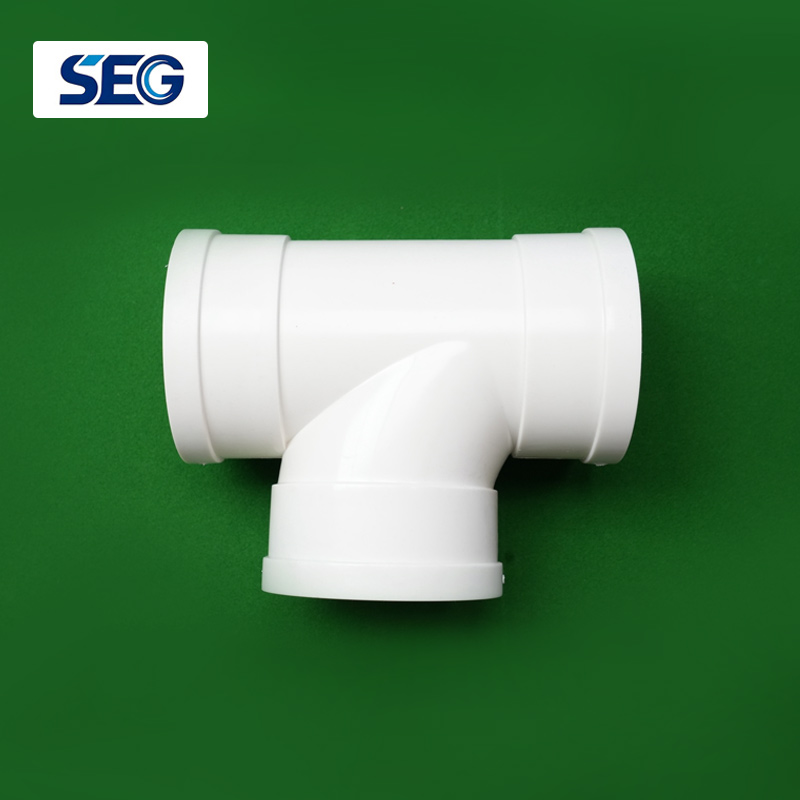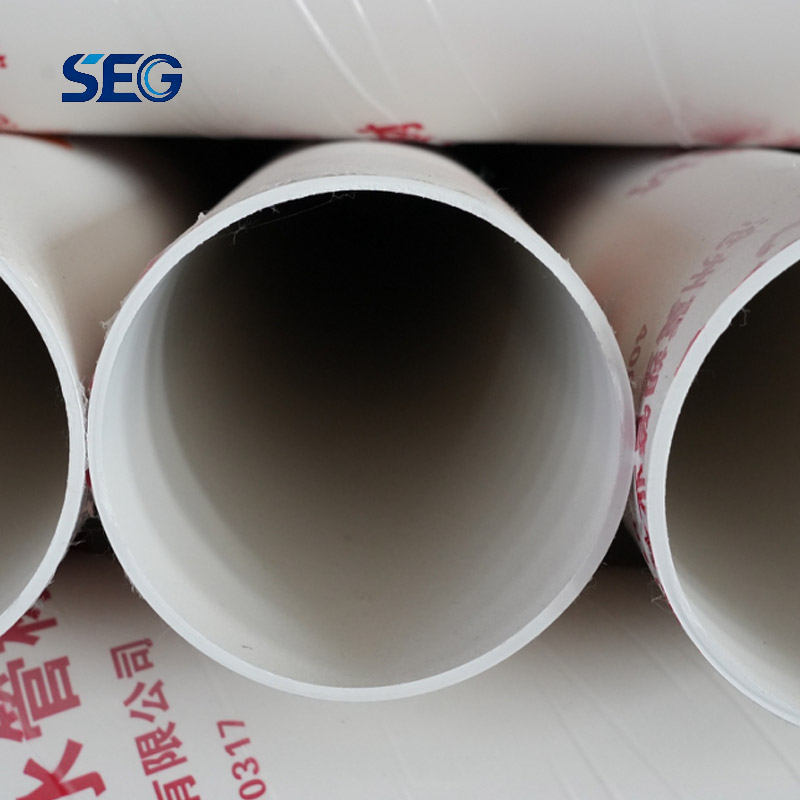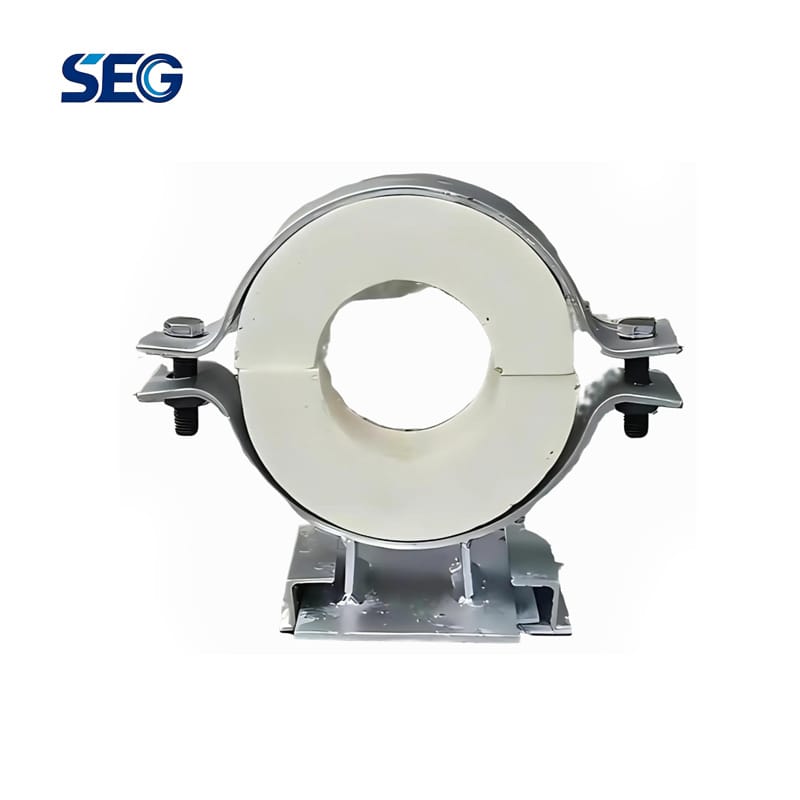
PVC drainage pipe noise is reduced most effectively by treating the whole transmission path: smoother drainage geometry limits turbulence, resilient supports reduce structure-borne vibration, sealed penetrations limit leakage between rooms, and suitable shaft or wrap systems reduce airborne sound. A thicker or spiral pipe can help, but it cannot compensate for poor routing or rigid contact with the building.
This guide keeps the scope on PVC-U Hollow Spiral Silencing Pipe and the decision promised by the title. It does not replace the governing code, project specification, manufacturer instructions, or an engineering review of the actual service.
Table of Contents
At a Glance
- Identify the noise source first
- Understand the spiral flow concept
- Use matched fittings
- Control structure-borne vibration
- Design stack offsets carefully
- Seal penetrations without pinching the pipe
- Compare products with meaningful evidence
- Commission with water and occupancy context
Identify the noise source first
Drainage noise can come from falling water, air movement, impact at changes of direction, pipe-wall vibration, and structure-borne transmission. Different sources need different controls.
Measure or predict the critical room and frequency range. The practical risk at identify the noise source first is an interface that appears acceptable by itself but fails when assembled. Relate the PVC-U Hollow Spiral Silencing Pipe finding to the mating pipe, fitting, structure, instrument, coating, or building element affected by “different sources need different controls”.
Understand the spiral flow concept
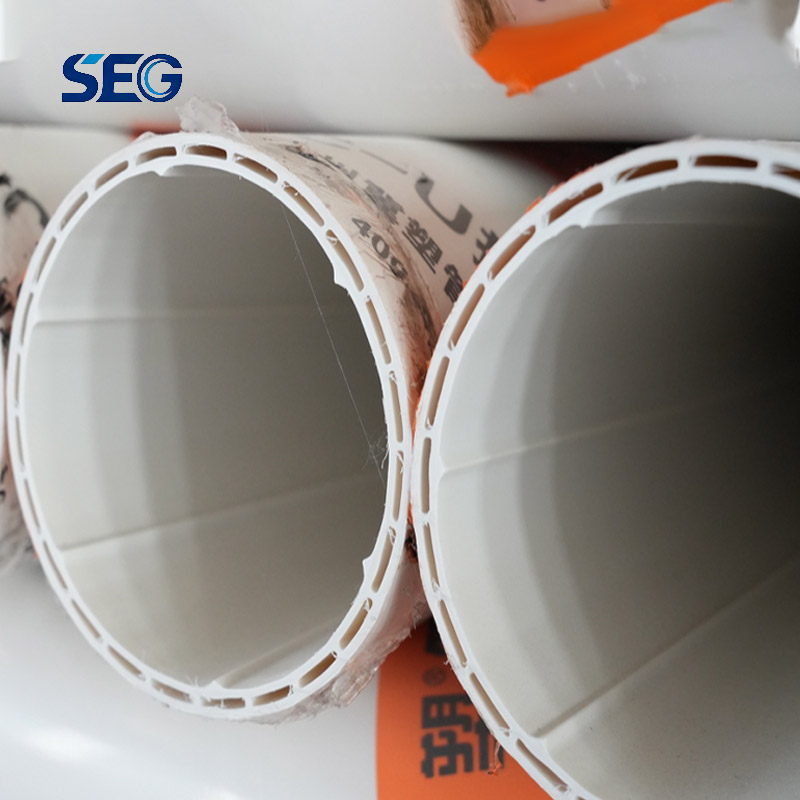
Internal ribs or spiral geometry can influence the path of water and air in a vertical stack. Performance depends on system layout and compatible fittings.
Do not assume the same effect in every horizontal branch. Timing matters here. Evidence for understand the spiral flow concept is strongest while the relevant marking, surface, dimension, or connection is visible. For PVC drainage pipe noise, record the item reference, observed condition, and disposition before later work conceals the feature described by “do not assume the same effect in every horizontal branch”.
Use matched fittings
A specialized stack pipe may rely on fittings that preserve directional entry or air core behavior. Mixing ordinary fittings can remove the intended flow pattern.
Specify the complete tested or approved system where required. Keep design and workmanship decisions separate during use matched fittings. The approved drawing, data sheet, code, or procedure defines the required PVC-U Hollow Spiral Silencing Pipe condition; inspection establishes whether the supplied condition meets it. A familiar shop practice cannot replace that comparison.
Control structure-borne vibration
Rigid contact with walls and slabs can transmit energy even when airborne pipe noise is low. Use supports, sleeves, isolation, and firestop details that meet all project requirements.
Avoid makeshift soft packing that compromises fire or movement performance. Review control structure-borne vibration across normal operation, testing, startup, shutdown, and maintenance where those states are relevant. The PVC drainage pipe noise decision should remain suitable when temperature, load, flow, access, or support conditions change from the installation state.
Design stack offsets carefully
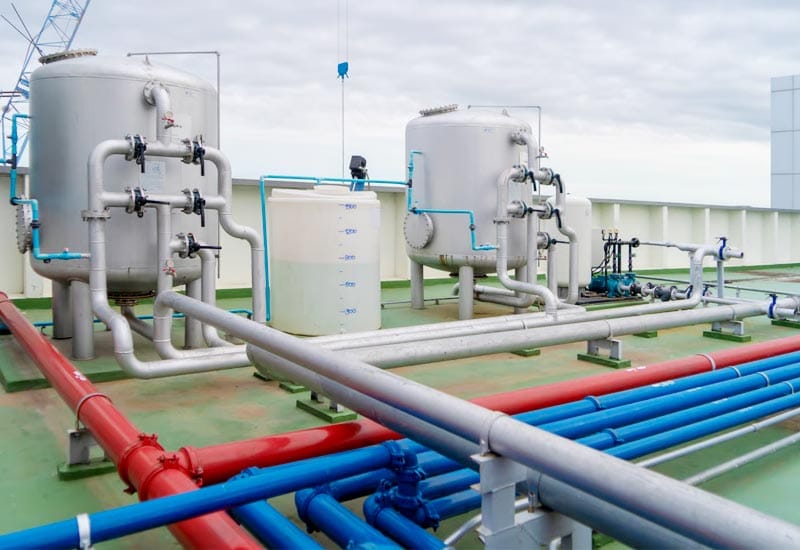
Changes in direction create impact zones and pressure fluctuations. Offset geometry, base bends, relief venting, and restraint need coordinated design.
Keep noise-sensitive spaces away from unavoidable impact regions when possible. If design stack offsets carefully produces a deviation, describe the exact PVC-U Hollow Spiral Silencing Pipe condition and affected quantity before proposing repair or use-as-is. Technical approval should address the consequence identified by “offset geometry, base bends, relief venting, and restraint need coordinated design”, not only the commercial or schedule effect.
Seal penetrations without pinching the pipe
Floor and wall penetrations must address fire, smoke, acoustics, movement, and waterproofing. An overtight detail can create a sound bridge.
Use listed systems and preserve annular clearances. Inspection evidence for seal penetrations without pinching the pipe should be traceable to the affected PVC-U Hollow Spiral Silencing Pipe. Link photographs, reports, gauges, certificates, or drawings to the item or location so that another reviewer can verify why “use listed systems and preserve annular clearances” was considered satisfied.
Compare products with meaningful evidence
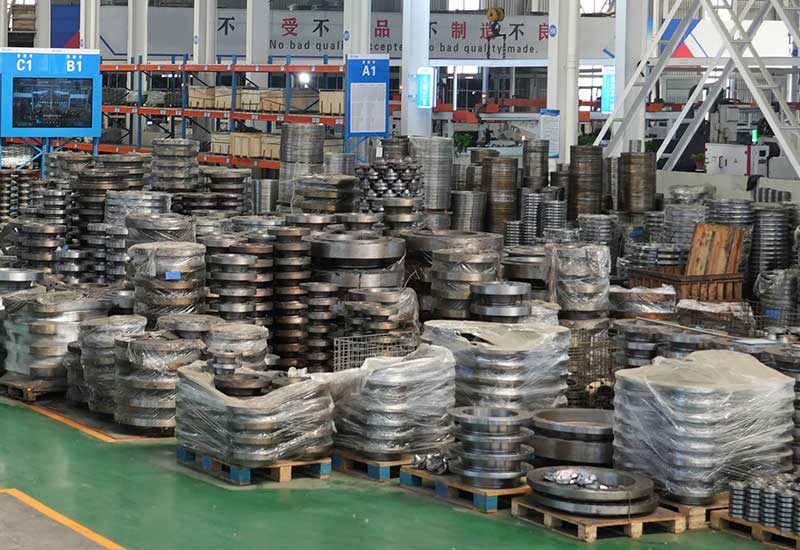
Ask for the test method, assembly configuration, flow condition, and reported metric behind an acoustic claim. A laboratory result for one stack arrangement may not predict another building.
Compare like-for-like systems. Close compare products with meaningful evidence with an explicit status: accepted, rejected, conditionally released, or awaiting information. The final PVC drainage pipe noise file should show approved changes and open actions, preventing an unresolved point about “ask for the test method, assembly configuration, flow condition, and reported metric behind an acoustic claim” from reaching construction or operation.
Commission with water and occupancy context
Listen at representative fixtures, stacks, shafts, and rooms while realistic discharges occur. Check loose clamps, contacting pipe, unsealed openings, and abnormal air movement.
Correct installation defects before adding decorative enclosures. For PVC drainage pipe noise, the purpose of this step is to turn “listen at representative fixtures, stacks, shafts, and rooms while realistic discharges occur” into a check that can be accepted or rejected. Complete it before PVC-U Hollow Spiral Silencing Pipe moves beyond commission with water and occupancy context, and identify the document or measurement that supports the result.

Standards and Source Documents
Use the edition named by the contract. Primary reference starting points include PPI polypropylene piping FAQ, Plastics Pipe Institute, NSF plumbing materials guidance, ISO standards catalogue. Their scopes differ, so a general reference must not be treated as the acceptance criterion for every product or project.
Related Sirgou Resources
Compare the PVC-U Hollow Spiral Silencing Pipe product page with Pvc U Spiral Silencer Drain Pipe and Riser Inspection Tee. For supplier qualification context, read the pipe and fittings supplier guide. These pages support product research; they do not make adjacent products interchangeable.
Frequently Asked Questions
What should be confirmed first? — PVC drainage pipe noise
Drainage noise can come from falling water, air movement, impact at changes of direction, pipe-wall vibration, and structure-borne transmission. Measure or predict the critical room and frequency range. If the project document is more specific, its requirement controls.
Which interface causes the most mistakes? — PVC drainage pipe noise
A specialized stack pipe may rely on fittings that preserve directional entry or air core behavior. Specify the complete tested or approved system where required. If the project document is more specific, its requirement controls.
When should the check be recorded? — PVC drainage pipe noise
Floor and wall penetrations must address fire, smoke, acoustics, movement, and waterproofing. Use listed systems and preserve annular clearances. If the project document is more specific, its requirement controls.
What belongs in the final acceptance file? — PVC drainage pipe noise
Listen at representative fixtures, stacks, shafts, and rooms while realistic discharges occur. Correct installation defects before adding decorative enclosures. If the project document is more specific, its requirement controls.
Project Takeaway
PVC drainage pipe noise is reduced most effectively by treating the whole transmission path: smoother drainage geometry limits turbulence, resilient supports reduce structure-borne vibration, sealed penetrations limit leakage between rooms, and suitable shaft or wrap systems reduce airborne sound. Use the article as a decision guide, then put the selected values, acceptance evidence, and approved deviations into the controlled project documents. For product-specific questions, contact Sirgou with the service conditions, size range, quantities, standards, and required documentation.