Table of Contents
- Start with the Project Conditions
- Check Standards and Product Scope
- Review Inspection and Documentation
- Look Beyond the Product Itself
- Ask the Right Questions Before Ordering
- Final Takeaway
Choosing a steel pipe fittings supplier is not just a purchasing decision. For industrial pipeline projects, the wrong choice can lead to mismatched standards, delayed installation, extra inspection work, or costly reordering. A reliable steel pipe fittings supplier should help buyers confirm materials, dimensions, standards, documentation, and delivery requirements before production begins.
This guide is written for project buyers, contractors, distributors, and engineering teams that need practical criteria for comparing suppliers of industrial pipe fittings, steel flanges, elbows, tees, reducers, and steel pipe products.
Start with the Project Conditions
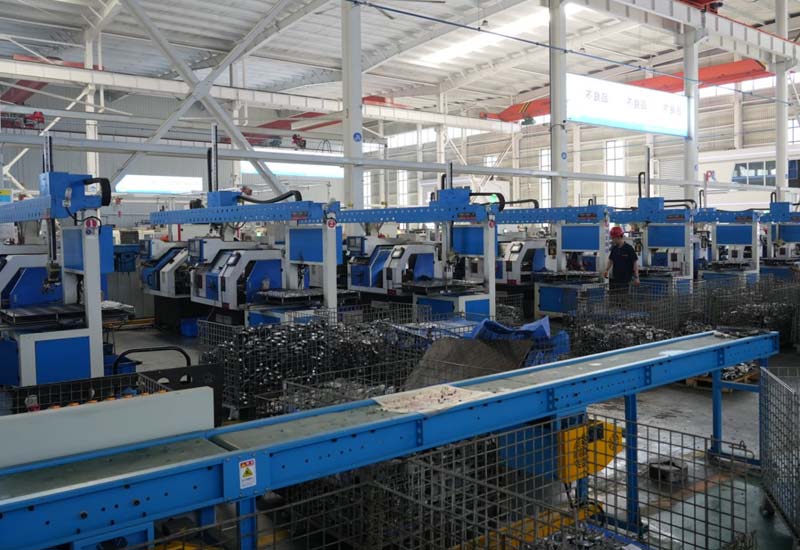
Before asking for a quotation, define the operating conditions clearly. A steel pipe fittings supplier needs to know the medium, pressure, temperature, installation environment, connection type, and applicable design code. These details affect whether the project needs carbon steel, stainless steel, alloy steel, duplex stainless steel, coated pipe, or another material option.
Buyers should also confirm whether fittings will be used in oil and gas transportation, water treatment, power generation, petrochemical processing, or general industrial service. Different applications place different demands on corrosion resistance, wall thickness, weldability, and traceability.
Check Standards and Product Scope
A capable steel pipe fittings supplier should understand common international standards and explain which standards apply to each product. For example, flanges may involve ASME B16.5, steel line pipe may involve API 5L, and quality management systems may be checked against ISO 9001. For seamless carbon steel pipe, buyers may also refer to standards such as ASTM A106.
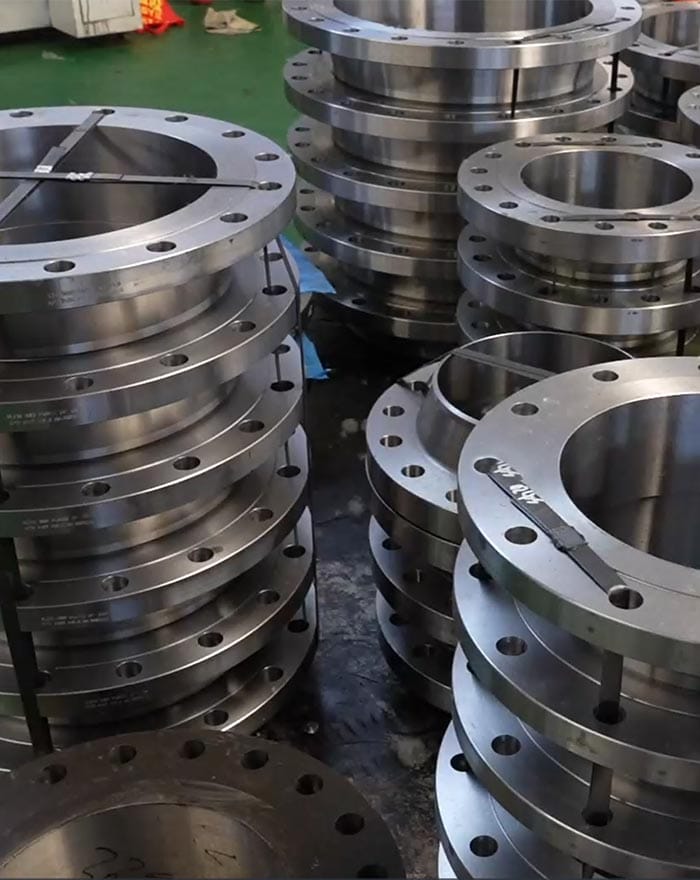
The product range also matters. If your order includes elbows, reducers, tees, flanges, and steel pipe, working with one steel pipe fittings supplier can reduce coordination work. Sirgou supports related product categories including steel elbows, reducers, tees, and steel pipe and tube.
Review Inspection and Documentation
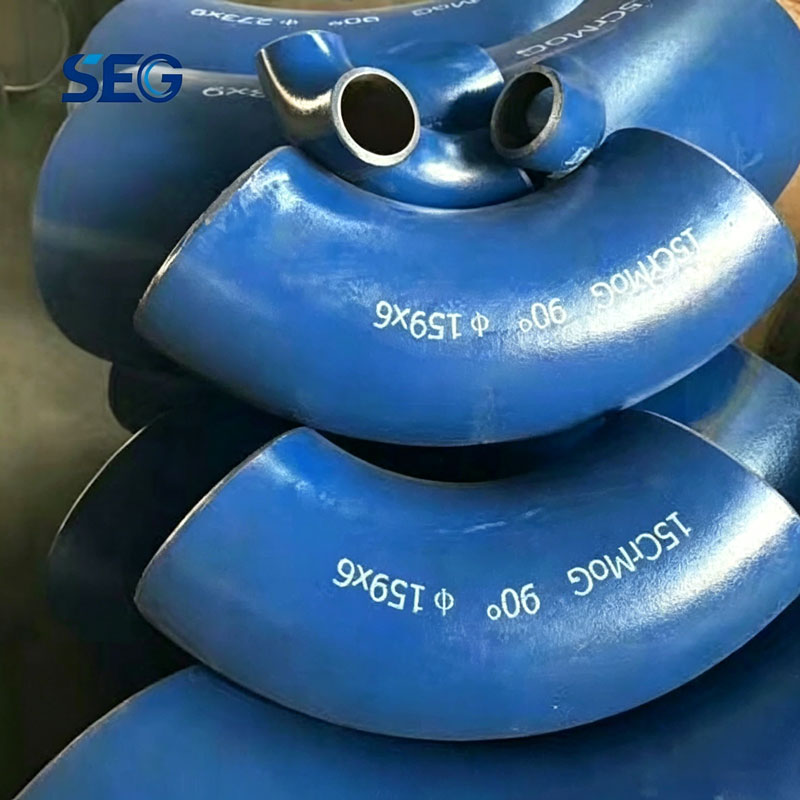
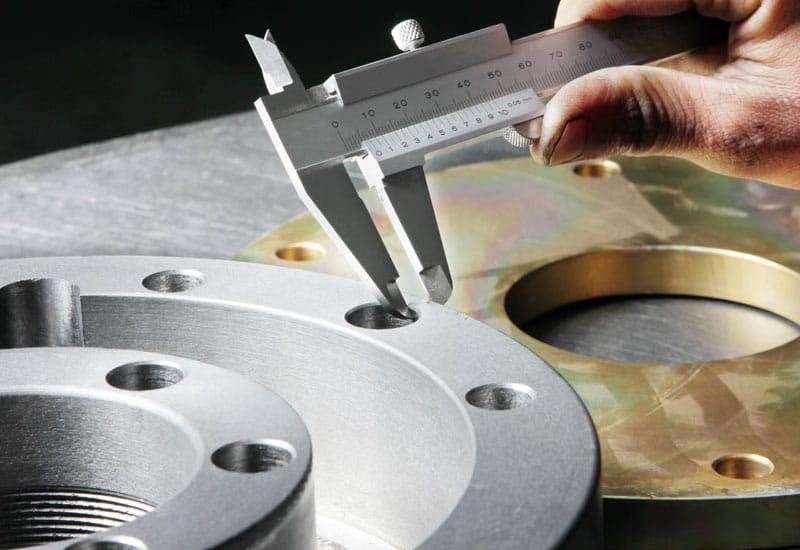
Price is easy to compare; inspection discipline is harder but more important. A dependable steel pipe fittings supplier should control raw material verification, dimensional inspection, surface checks, standard confirmation, packaging, and shipment preparation. Ask what documents can be supplied with the order, such as material information, product specifications, inspection records, packing details, and other project-required files.
If the project has strict acceptance requirements, share them early. Clear communication before production is far better than finding a mismatch after the goods arrive. You can also read Sirgou’s article on material selection in industrial pipeline systems for more background on why material choice affects long-term performance.
| Evaluation Point | What Buyers Should Confirm |
|---|---|
| Material | Carbon steel, stainless steel, alloy steel, duplex steel, or coated options |
| Standard | ASME, ANSI, DIN, EN, JIS, GB, API, ASTM, or project-specific requirements |
| Inspection | Dimensional checks, material verification, final inspection, and packaging review |
| Service | Technical support, OEM/ODM options, export coordination, and after-sales response |
Look Beyond the Product Itself
A good steel pipe fittings supplier is also a communication partner. Industrial buyers often need help matching drawings, confirming tolerances, checking replacement options, or arranging mixed-product shipments. Suppliers with export experience can usually respond faster when the order involves multiple specifications, special packaging, or schedule pressure.
For distributors, OEM support can be equally important. Customized specifications, branding, packaging, and project-based manufacturing can help improve market fit. Sirgou’s pipeline equipment service page explains the company’s support for technical consultation, customization, quality assurance, logistics coordination, and after-sales communication.
Ask the Right Questions Before Ordering
When comparing suppliers, send the same technical request to each candidate. This makes the answers easier to compare and helps reveal which steel pipe fittings supplier understands the project clearly.
- Can you manufacture according to the required standard and material grade?
- Can you support the full product list, including fittings, flanges, and steel pipe?
- What inspection steps are completed before shipment?
- Can you provide OEM, packaging, or project-specific customization?
- How will you support logistics and communication after production?

Final Takeaway
The right steel pipe fittings supplier should reduce uncertainty, not create more work for your team. Look for a manufacturer that understands materials, standards, inspection, documentation, and export support. If your project requires industrial fittings, flanges, steel pipes, or customized pipeline components, you can contact Sirgou to discuss specifications and product recommendations.