Table of Contents
A blind flange is one of the most useful closing components in an industrial piping system. It does not carry flow through an opening like a weld neck flange or slip on flange. Instead, a blind flange seals the end of a pipe, valve, pressure vessel nozzle, or inspection opening so the system can be isolated, tested, expanded, or maintained. For project buyers, that simple function makes the blind flange a small part with a large effect on safety, maintenance access, and long-term system reliability.
This guide explains how to choose a blind flange for industrial piping projects. The search intent is practical: buyers want to know what details must be checked before ordering, what information belongs in an RFQ, and how to avoid receiving a flange that fits the nominal size but fails the real project requirement. The right blind flange should match pressure class, facing type, material, standard, gasket, bolts, inspection requirements, and service conditions.
What a Blind Flange Does in a Piping System
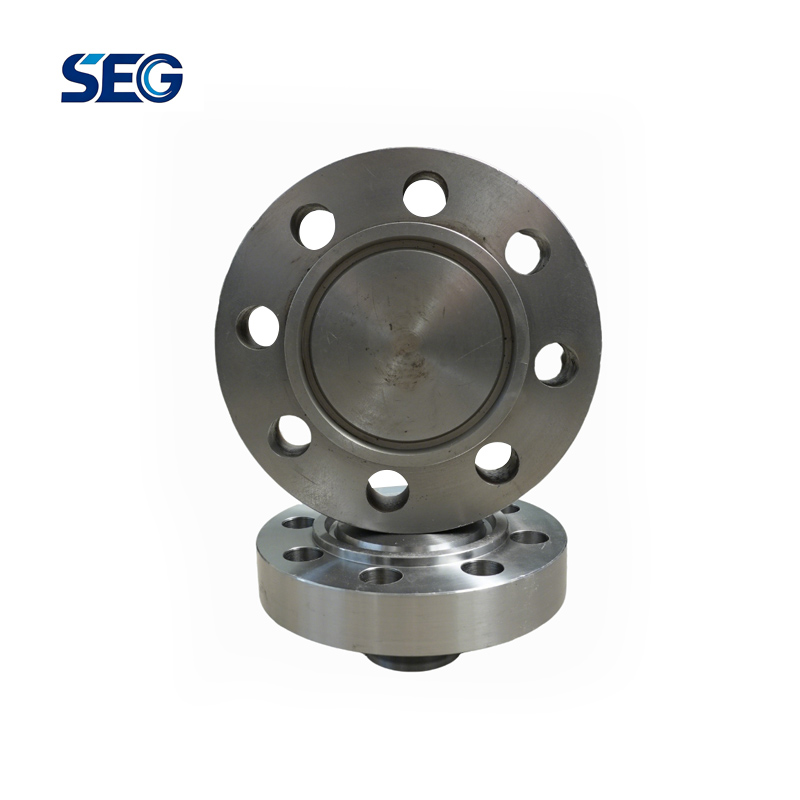
This flange is normally used where a piping system needs a removable closure. It may be installed at the end of a pipeline, on a valve connection, on a vessel nozzle, or at a future expansion point. Because it can be unbolted, it provides more flexibility than a welded cap in locations where inspection, cleaning, pressure testing, or later modification may be required.
The closure also becomes part of the pressure boundary. That means selection should not be handled only by size. A blind flange must resist internal pressure, support gasket sealing, accept the correct bolt set, and remain compatible with the connected flange. In oil and gas, chemical processing, water treatment, fire protection, and industrial utility lines, the closure point can become a critical maintenance and safety detail.
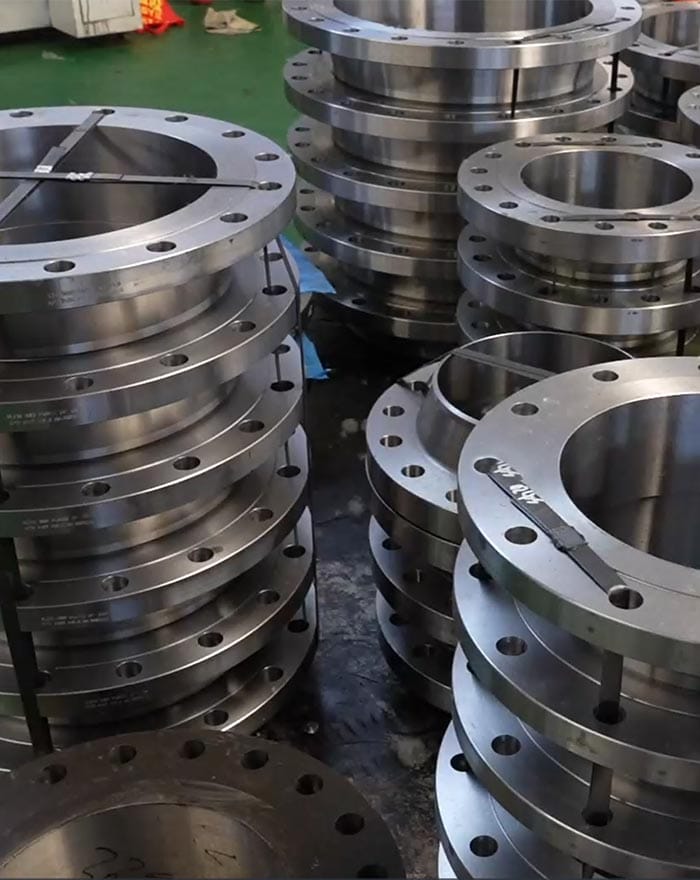
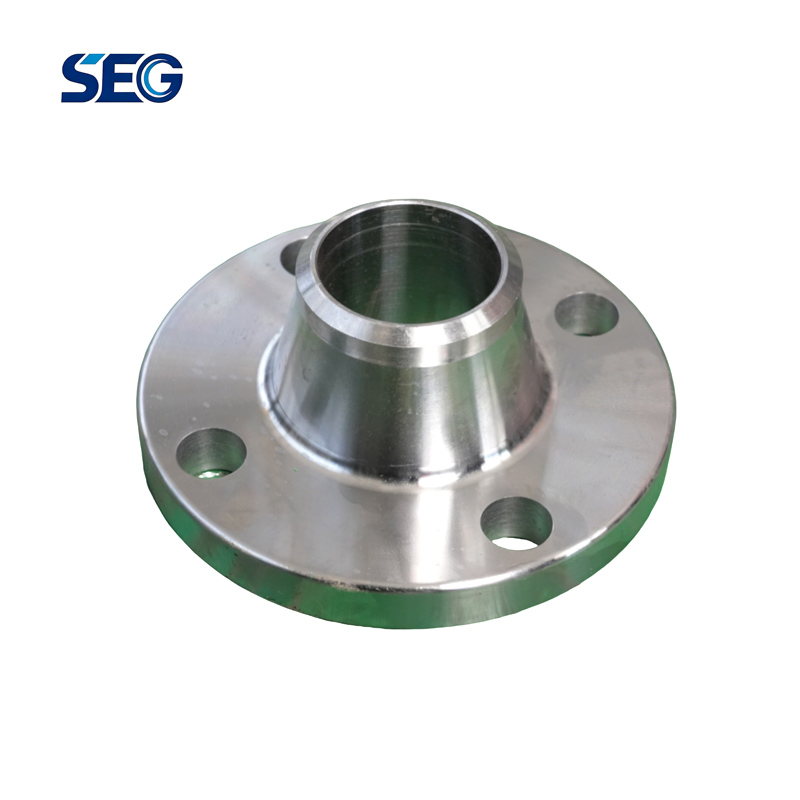
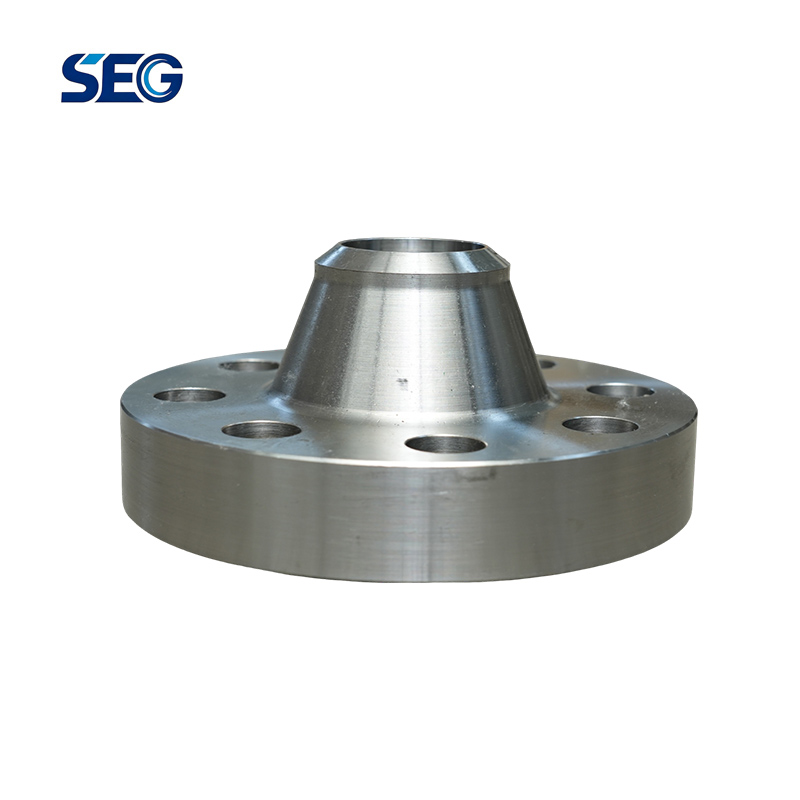
For buyers comparing different flange types, Sirgou also supplies weld neck flange, slip on flange, threaded flange, socket weld flange, lap joint flange, and orifice flange. Reviewing the full steel flange category can help buyers coordinate a complete flange package instead of treating the closure as an isolated item.
Confirm Pressure Class and Facing Type
Pressure class is one of the first details to confirm. A blind flange may look similar across classes, but the thickness, bolt pattern, and pressure-temperature performance can be different. The project specification should define the applicable pressure class and standard. If the drawing is unclear, buyers should not guess based on pipe size alone.
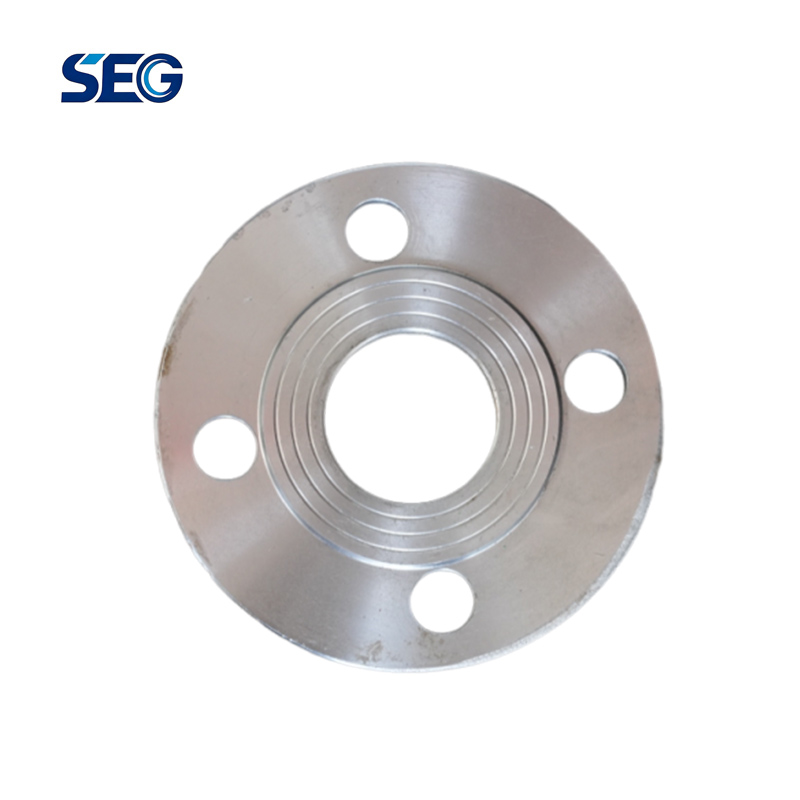
Facing type also matters. A raised face blind flange, flat face blind flange, ring type joint design, or other specified facing must match the connected flange and gasket. A mismatch can create sealing problems even when the nominal size and bolt count appear correct. Before ordering, confirm the flange facing, gasket type, bolt material, and tightening requirement with the project engineer or specification document.
Recognized standards help control dimensions and compatibility. Buyers often refer to ASME codes and standards, ASTM International material standards, and project-specific requirements for pressure piping. These references help reduce confusion between engineering, procurement, inspection, and site installation teams. Recognized organizations such as ISO/TC 5 and general engineering references on flanges can also help buyers understand terminology before checking the project specification.
Match Material to the Service Environment
Material should follow the medium, temperature, corrosion exposure, and connected pipe material. A blind flange used in a general water line may not need the same material as a blind flange used in chemical service, oil and gas processing, or higher temperature industrial piping. Carbon steel is common in many industrial systems, while stainless steel, alloy steel, duplex steel, or other options may be required when corrosion resistance or special service conditions matter.
Buyers should also confirm whether coating, painting, galvanizing, or other surface treatment is required. The flange surface may be exposed during storage, shipment, or outdoor installation, so packaging and anti-rust protection should be discussed before production. For industrial buyers, material traceability and marking can be just as important as the visible product shape.
The existing Sirgou article about material selection in industrial pipeline systems explains why fluid, pressure, temperature, and corrosion environment should guide material decisions. That same logic applies when selecting a blind flange for a new project or replacement order.
Check Dimensions, Bolting, and Gasket Compatibility
Dimensional checks should include nominal size, outside diameter, bolt hole number, bolt circle diameter, flange thickness, facing diameter, and center hole condition. Since a blind flange has no flow bore, buyers should pay close attention to the drawing and standard instead of assuming it follows the same details as an open flange.
Gasket and bolt compatibility should be reviewed at the same time. The closure does not seal by itself. It works with a gasket, bolts, nuts, washer details, flange facing, and installation torque. If the connected flange uses a different pressure class or facing type, the closure may not seal as expected. This is why mixed flange orders should be checked as a package.
| Check Point | Buyer Action |
|---|---|
| Pressure class | Confirm the class or rating from the drawing or specification. |
| Facing type | Match the connected flange and gasket requirement. |
| Material | Confirm carbon steel, stainless steel, alloy steel, duplex steel, or project-specific grade. |
| Inspection | Ask for dimensional checks, marking review, and required documents before shipment. |
Plan Inspection, Marking, and Documentation
A dependable blind flange order should include inspection expectations. Dimensional inspection, surface review, material confirmation, marking, and packing checks all help reduce installation problems. If the project requires material certificates, inspection records, or special labels, these requirements should be included in the RFQ.
For export projects, communication details are important. Buyers may need line numbers, heat numbers, packing lists, or product marks that match project documentation. Sirgou provides pipeline equipment service support including technical consultation, customization, quality control, logistics coordination, and after-sales communication for global project buyers.
Common Buyer Mistakes to Avoid
The most common mistake is ordering a blind flange by size only. Size is necessary, but it is not enough. Pressure class, facing type, material grade, standard, gasket compatibility, bolt hole details, coating, and documentation can all change the final product requirement.
Another mistake is treating replacement orders too casually. If the blind flange is being used to replace an existing closure, check the old part marking, connected flange, gasket type, bolt set, and working environment. If the existing flange failed because of corrosion or leakage, simply repeating the same material may not solve the real problem.
Buyers should also avoid mixing standards without engineering review. A blind flange made to one standard may not connect properly with a flange made to another standard, even if the nominal size looks similar. When in doubt, provide drawings or photos to the supplier before confirming production.
RFQ Checklist for Blind Flange Orders
A clear RFQ helps the supplier respond accurately and helps the buyer compare quotations fairly. Before sending a blind flange inquiry, prepare the following information whenever possible:
- Nominal size and quantity.
- Pressure class or flange rating.
- Applicable standard and facing type.
- Material grade and any surface treatment.
- Gasket and bolt compatibility requirements.
- Marking, inspection, documentation, and packing needs.
- Application environment, such as water, steam, oil, gas, chemical, or general industrial service.
- Delivery schedule and whether the order includes other flanges, pipes, or pipe fittings.
For project-based procurement, it is often better to send the full flange list together. A closure flange may be ordered with weld neck flanges, slip on flanges, reducers, elbows, tees, and steel pipe products. Coordinating the list early can reduce mismatched standards and missing accessories.
Final Takeaway
The right blind flange is not just a plate with bolt holes. It is a pressure-retaining closure that must match the connected system, gasket, bolts, material, standard, and inspection requirement. For contractors, distributors, and project buyers, a careful blind flange selection process helps reduce leakage risk, installation delays, and documentation problems.
If your project needs blind flange products or a complete industrial flange package, you can contact Sirgou with your drawing, standard, material, pressure class, quantity, and application conditions. Clear information at the inquiry stage makes the final blind flange order easier to manufacture, inspect, pack, and install.