Table of Contents
Introduction
Industrial pipe fittings may look like small parts of a pipeline, but they often decide whether the whole system runs safely, efficiently, and consistently over time. In oil and gas, water treatment, chemical processing, HVAC, heating, and infrastructure projects, every elbow, flange, reducer, tee, and support affects flow direction, pressure stability, sealing performance, installation accuracy, and maintenance access.
That is why choosing industrial pipe fittings should not be treated as a simple matching task. A fitting is not just “the part between two pipes.” It is a pressure-bearing, flow-controlling, load-transferring component that must work with the pipe material, wall thickness, connection method, temperature range, corrosion environment, and project standard.
According to the general definition of piping and plumbing fittings, fittings are used to connect, adapt, change direction, or regulate flow in pipe systems. In industrial projects, that basic function becomes much more demanding because the pipeline may carry steam, gas, oil, chemicals, wastewater, chilled water, hot water, or other process fluids under continuous operating stress.
Why Industrial Pipe Fittings Matter More Than They Appear
A pipeline is only as reliable as its weakest connection. Pipes may receive most of the attention because they form the visible length of the system, but fittings handle many of the most difficult transitions: direction changes, diameter changes, branch connections, end closures, pressure boundaries, support points, and inspection access.
For example, a 90 degree elbow changes flow direction, but it also creates turbulence and localized stress. A reducer adjusts pipe diameter, but the wrong reducer type can affect drainage, air pockets, vibration, or pump efficiency. A flange allows assembly and disassembly, but the wrong pressure class or facing type can increase leakage risk. A pipe support carries weight and thermal movement, but poor support selection can transfer unwanted load into connected equipment.
This is why engineering teams often evaluate industrial pipe fittings together with pipes, valves, flanges, gaskets, bolts, welding requirements, and inspection procedures. The fitting must match the whole system, not just the pipe size.
Main Types of Industrial Pipe Fittings and Their Roles
Different industrial pipe fittings solve different pipeline problems. Understanding their function helps avoid overgeneralized selection.
| Fitting Type | Main Function | Common Applications |
|---|---|---|
| Pipe elbow | Changes flow direction | Oil and gas lines, water systems, chemical piping, fire systems |
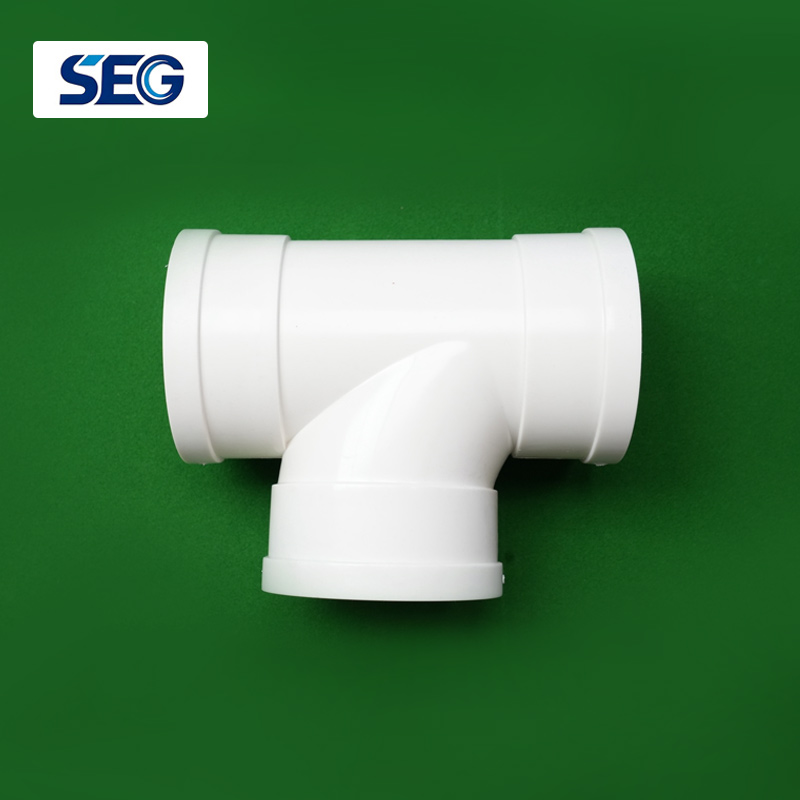
| Pipe tee | Creates branch flow | Distribution lines, process piping, water treatment systems |
| Pipe reducer | Connects different pipe diameters | Pump connections, flow transitions, process equipment |
| Steel flange | Creates detachable pipe connection | Maintenance points, valves, equipment connections |
| Seamless steel pipe | Handles fluid transportation | High-pressure, high-temperature, and industrial systems |
| Pipe support | Holds pipe weight and controls movement | Long pipelines, thermal systems, heavy-duty installations |
For a complete product structure, project teams can review Sirgou’s pipeline product portfolio, which includes steel flanges, steel pipes, elbows, reducers, tees, pipe supports, and building piping products.
Material Selection: Strength, Corrosion, and Temperature
Material selection is one of the most important decisions in industrial pipe fittings. A fitting may have the right shape and size, but if the material is wrong, the system can face corrosion, cracking, deformation, or premature failure.
Carbon steel is widely used in industrial piping because of its strength, weldability, and stable performance in many pressure systems. Stainless steel is often selected where corrosion resistance or hygienic performance matters. Alloy steel is suitable for elevated temperature or more demanding pressure environments. Duplex steel may be considered when higher strength and corrosion resistance are both required.
For steel pipe and fittings, common material directions include carbon steel, stainless steel, alloy steel, duplex steel, and low-temperature steel. Sirgou’s steel pipe and tube products are designed for applications such as oil and gas transportation, water supply, drainage, chemical fluid delivery, and pipeline engineering.
The key point is simple: material should follow the medium, pressure, temperature, corrosion exposure, and required standard. It should not be selected only by appearance or availability.
Standards That Help Control Quality and Compatibility
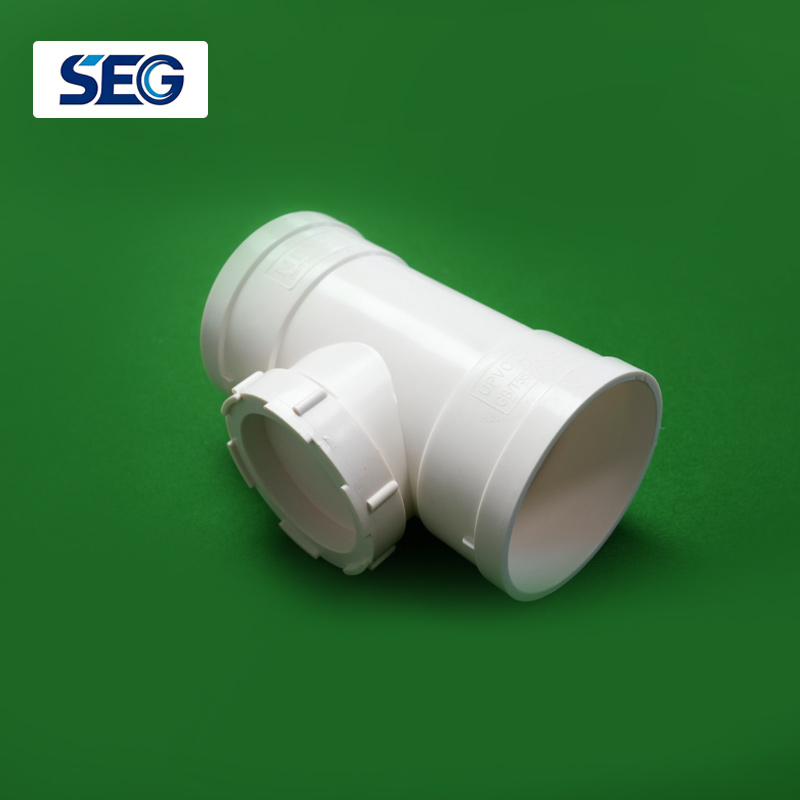
Industrial pipe fittings must often comply with recognized engineering standards. These standards help define dimensions, pressure-temperature ratings, tolerances, materials, testing, and marking. Without standard alignment, even a good-looking fitting may create installation problems or compliance risks.
The ASME codes and standards cover many areas of pressure technology, piping, and industrial components. For pipeline systems, ASME and ANSI-related standards are commonly referenced for flanges, fittings, valves, and pressure applications.
For line pipe used in oil, gas, and water transportation, API Specification 5L is a widely recognized reference. ISO also maintains technical committees related to metallic pipes and fittings, including ISO/TC 5 for ferrous metal pipes and metallic fittings.
In practical terms, standards help ensure that fittings can be integrated with the pipe, flange, gasket, valve, and equipment package. They also make communication clearer between engineering, manufacturing, inspection, and project teams.
Flow Direction, Pressure Loss, and System Efficiency
Industrial pipe fittings influence how fluid moves through a system. Every direction change, branch, diameter transition, and connection detail can affect pressure loss and flow behavior.
Elbows are necessary when pipelines need to turn, but sharp direction changes may increase turbulence. Long-radius elbows or pipe bends may be preferred in systems where smoother flow is important. Reducers help connect different pipe sizes, but the reducer type matters. A concentric reducer keeps the centerline aligned, while an eccentric reducer is often useful where drainage, pump suction, or air pocket control is important.
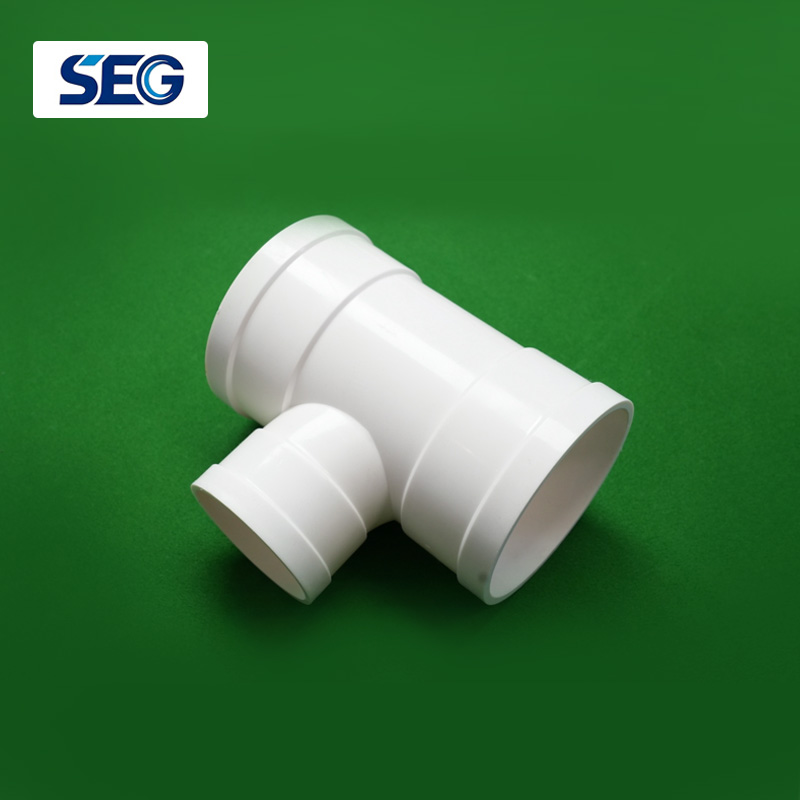
Tee fittings also require attention. An equal tee supports same-size branching, while a reducing tee allows a smaller branch connection. In high-flow or high-pressure systems, the branch design must be considered carefully to reduce stress concentration and flow disturbance.
For projects involving elbows and directional changes, Sirgou provides pipe elbow products such as 45 degree seamless elbows, 90 degree seamless elbows, pipe bends, and heavy wall high pressure elbows.
Flanges: Maintenance Access and Pressure Boundary Control
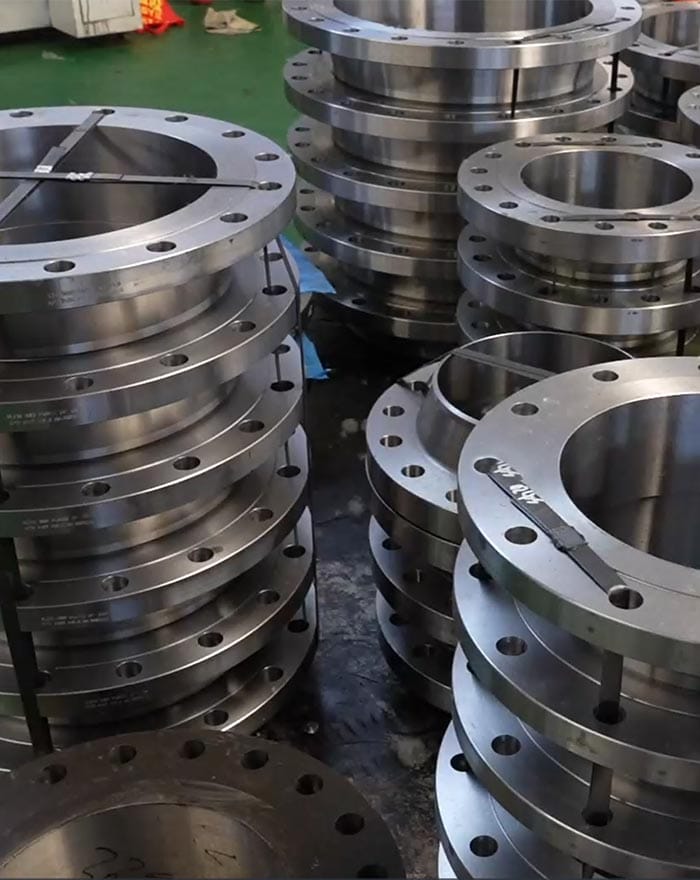
Steel flanges are essential in many industrial piping systems because they create detachable joints. This makes inspection, maintenance, valve replacement, equipment connection, and system modification easier than fully welded joints in certain locations.
Different flange types serve different purposes. Weld neck flanges are commonly used where strength and pressure performance are important. Slip on flanges are often used in systems where installation convenience matters. Blind flanges close pipe ends, pressure vessel openings, or inspection points. Threaded flanges may be used where welding is not preferred. Socket weld flanges are often used in smaller high-pressure piping arrangements.
The fitting itself is only one part of the sealing system. Flange performance also depends on gasket selection, bolt tightening, facing type, pressure rating, alignment, and installation quality. For pipeline projects that need detachable connections, Sirgou’s steel flange products include weld neck flanges, socket weld flanges, threaded flanges, blind flanges, slip on flanges, lap joint flanges, and orifice flanges.
Reducers and Tees: Managing Transitions Without Creating Problems
Reducers and tees are often small in size compared with the full pipeline, but they can have a large influence on system behavior.
A reducer connects pipes of different diameters. In pump systems, choosing between concentric and eccentric reducers can affect suction conditions, cavitation risk, and air accumulation. In horizontal piping, eccentric reducers may help maintain a flat bottom or flat top depending on drainage and venting needs. In vertical piping, concentric reducers may be suitable when alignment and symmetrical flow are preferred.
A tee creates a branch connection. Equal tees are used when the branch and main pipe share the same diameter. Reducing tees are used when a smaller branch is required. In industrial piping, branch connections must consider flow split, pressure, wall thickness, weld quality, and inspection access.
When specifying pipe reducers, the project should define size, material, wall thickness, standard, connection type, and application environment clearly.
Pipe Supports: The Hidden Factor Behind Long-Term Stability
Pipe supports are sometimes overlooked because they do not directly carry the fluid. However, they protect the pipeline from sagging, vibration, thermal expansion stress, equipment nozzle loading, and misalignment.
A pipeline can fail not only from internal pressure, but also from poor external support. Long horizontal runs need stable support spacing. Hot systems need allowance for thermal movement. Heavy fittings, valves, and flanges may require additional support. Spring supports and hangers can help manage vertical movement in systems affected by temperature changes.
In high-temperature or insulated systems, thermal insulation pipe supports help reduce heat transfer while supporting pipe load. For industrial facilities, well-planned pipe supports can reduce maintenance issues and improve operational reliability.
Application-Based Selection for Different Industries
Industrial pipe fittings should be selected according to the working environment.
In oil and gas systems, pressure resistance, material traceability, welding quality, and standards compliance are major concerns. Flanges, seamless steel pipes, elbows, reducers, and tees must support demanding transportation and processing conditions.
In water treatment systems, corrosion resistance, leakage prevention, long-term durability, and easy maintenance are important. Steel pipes, PVC-U drainage pipes, flanges, and fittings may be used in different parts of the system.
In HVAC and heating systems, the focus may shift toward thermal stability, installation efficiency, pipe movement, and compatibility with hot or cold water networks.
In construction and infrastructure projects, durability, standardized dimensions, project delivery, and product consistency are key. A mixed pipeline product package may include steel components for heavy-duty systems and PPR, PVC-U, or PE-RT products for building services.
Sirgou’s pipeline application solutions cover oil and gas, water treatment, HVAC and heating, construction, and infrastructure projects.
How to Build a Smarter Industrial Pipe Fittings Specification
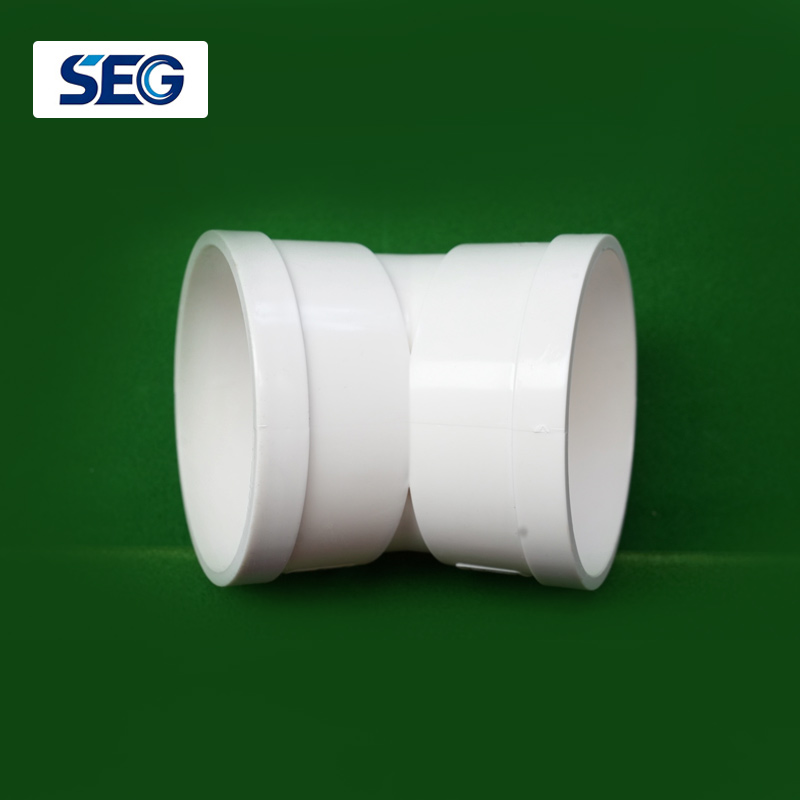
A strong specification reduces confusion and helps the manufacturer provide the correct industrial pipe fittings. Instead of only sending a product name, the specification should include the fitting type, nominal size, wall thickness or schedule, material grade, standard, connection method, pressure class, surface treatment, quantity, and application environment.
For example, “steel elbow” is too general. A clearer specification might define 90 degree seamless elbow, carbon steel, required standard, wall thickness, size range, and intended service. For flanges, the specification should include flange type, pressure class, facing type, material, standard, and matching pipe or valve details.
A clear specification also helps with inspection and documentation. If the project requires certificates, dimensional reports, packaging requirements, or marking details, these should be confirmed early.
Conclusion
Industrial pipe fittings are not minor accessories. They are essential pipeline components that influence pressure integrity, flow efficiency, installation quality, maintenance access, and long-term reliability. The best fitting choice depends on the system medium, pressure, temperature, material, standard, connection method, and application environment.
For industrial projects, the most reliable approach is to evaluate fittings as part of the complete pipeline system. Steel flanges, seamless steel pipes, elbows, reducers, tees, and pipe supports must work together under real operating conditions. If your project requires standard or customized pipeline components, Sirgou can support product selection through its technical and export service team.