Table of Contents
- Confirm the Heating Layout Before Ordering
- Check Pipe Spacing, Bending, and Fittings
- Pressure Testing and Site Protection
- Buyer Checklist for Building Projects
A PE-RT underfloor heating pipe is selected for many modern building heating systems because it is flexible, practical to install, and suitable for warm-water floor heating layouts. For contractors, distributors, and project buyers, the main challenge is not only choosing the pipe. The full system must match the floor plan, heating load, manifold position, installation method, and pressure testing requirements.
Confirm the Heating Layout Before Ordering
Before purchasing a PE-RT underfloor heating pipe, confirm the room area, pipe spacing, circuit length, manifold location, insulation layer, and floor structure. These details affect the required pipe quantity and help avoid excess joints, uneven heating, or installation delays. Buyers can review Sirgou’s PE-RT underfloor heating pipe category when comparing pipe options for residential, commercial, hotel, school, or healthcare projects.
General references such as underfloor heating, polyethylene, ASHRAE Handbook resources, and ISO 9001 can help project teams discuss system design, materials, and quality management more clearly.
Check Pipe Spacing, Bending, and Fittings
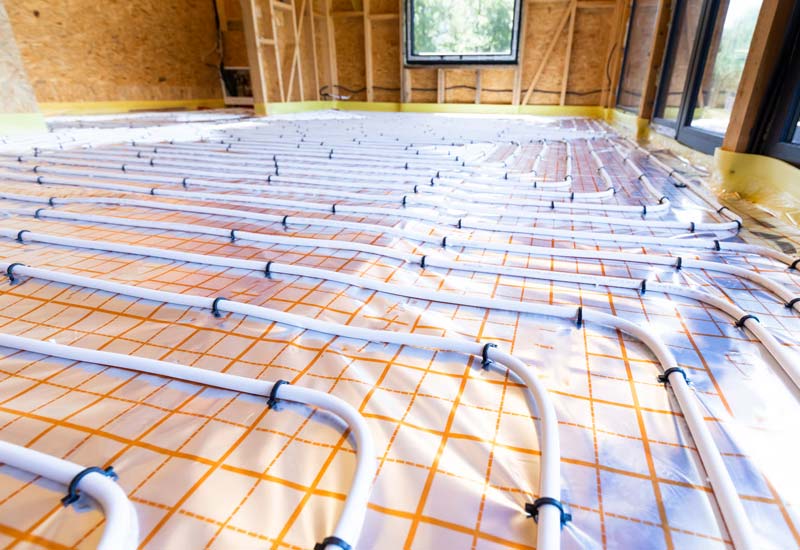
A PE-RT underfloor heating pipe should be installed with consistent spacing and smooth bends according to the project drawing. Sharp bends, poor fixing, or an unclear circuit plan can make installation harder and may affect heating performance. If the same project includes domestic water lines, buyers may also coordinate PPR pipe fittings and other construction industry pipe fittings in one order.
| Check Point | Why It Matters |
|---|---|
| Pipe layout | Helps control heating coverage and material quantity |
| Bending radius | Reduces risk of kinks during installation |
| Manifold position | Supports balanced circuits and easier maintenance |
| Pressure test | Confirms system integrity before floor covering |
Pressure Testing and Site Protection
After laying a PE-RT underfloor heating pipe, the system should be pressure tested according to the project requirement before the floor layer is completed. The installation team should protect the pipe from puncture, crushing, and contamination during later construction work. Clear labels, circuit records, and packing information also help contractors manage large building projects more efficiently.
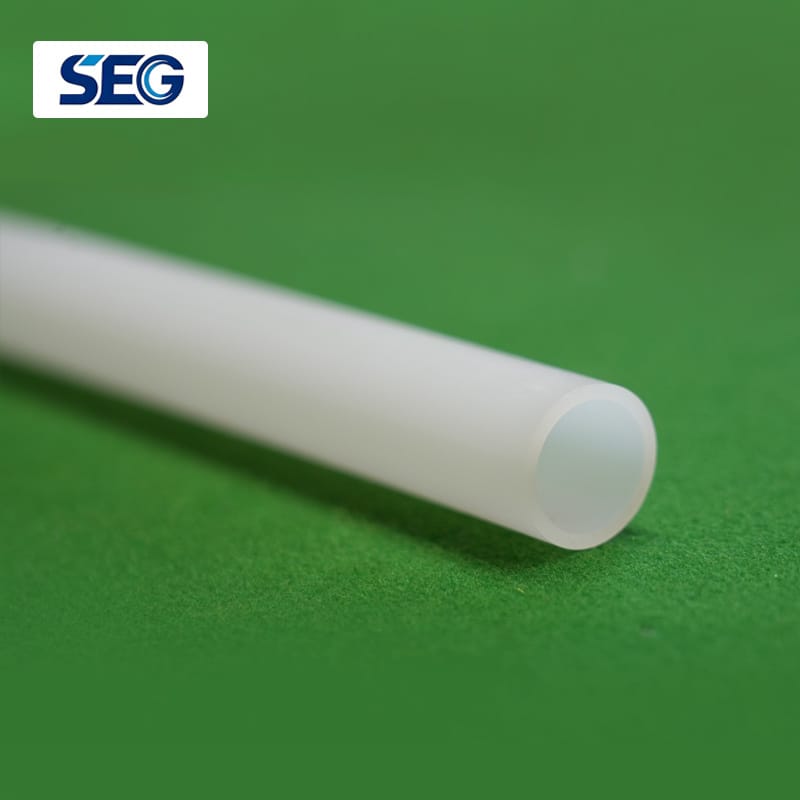
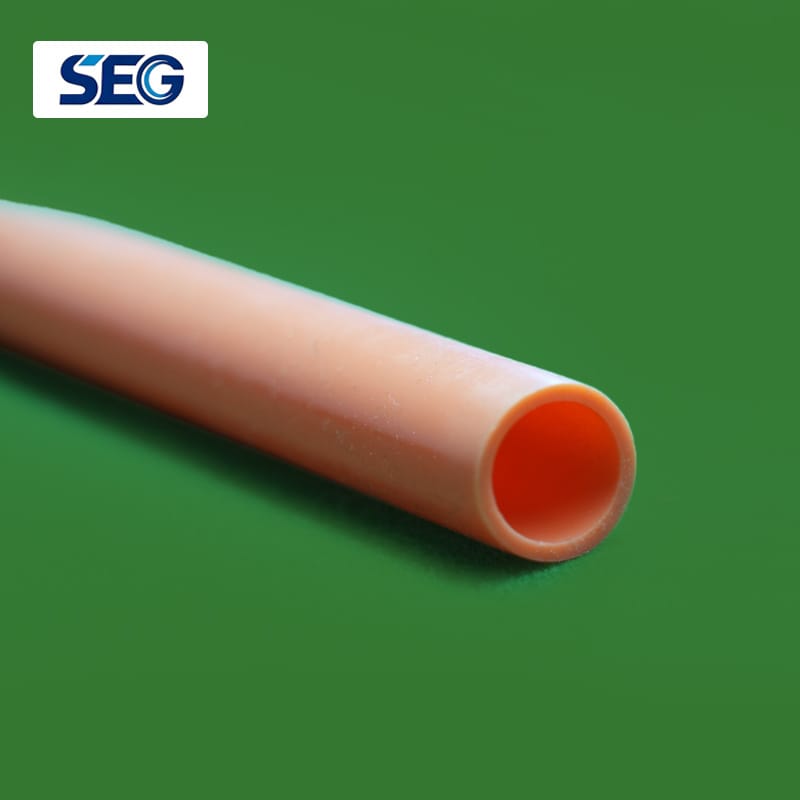
For product selection, buyers can compare white PE-RT underfloor heating pipe, orange PE-RT underfloor heating pipe, and graphene PE-RT underfloor heating pipe. If the order involves mixed plumbing and heating products, Sirgou’s service team can help review specifications and packaging needs.
Buyer Checklist for Building Projects
- Confirm floor area, layout drawings, and manifold position.
- Match pipe type, diameter, and circuit length with the heating design.
- Check installation protection, pressure testing, and site handover requirements.
- Prepare a complete product list before ordering pipe, fittings, and accessories.
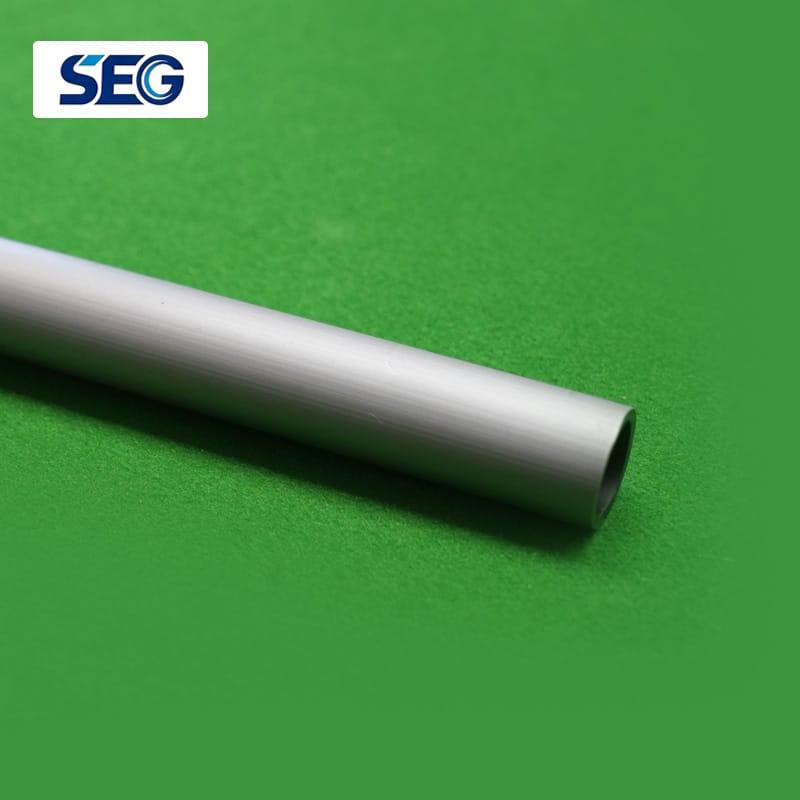
A PE-RT underfloor heating pipe can support efficient and comfortable heating when the design, installation, and product coordination are handled carefully. For project recommendations or combined building pipeline orders, contact Sirgou with drawings, quantities, and technical requirements.