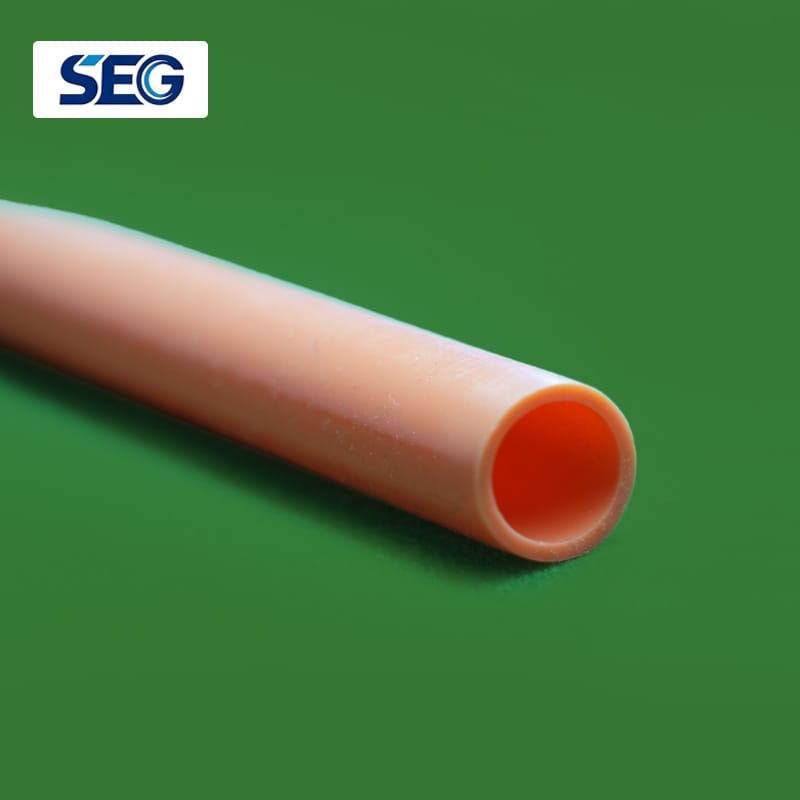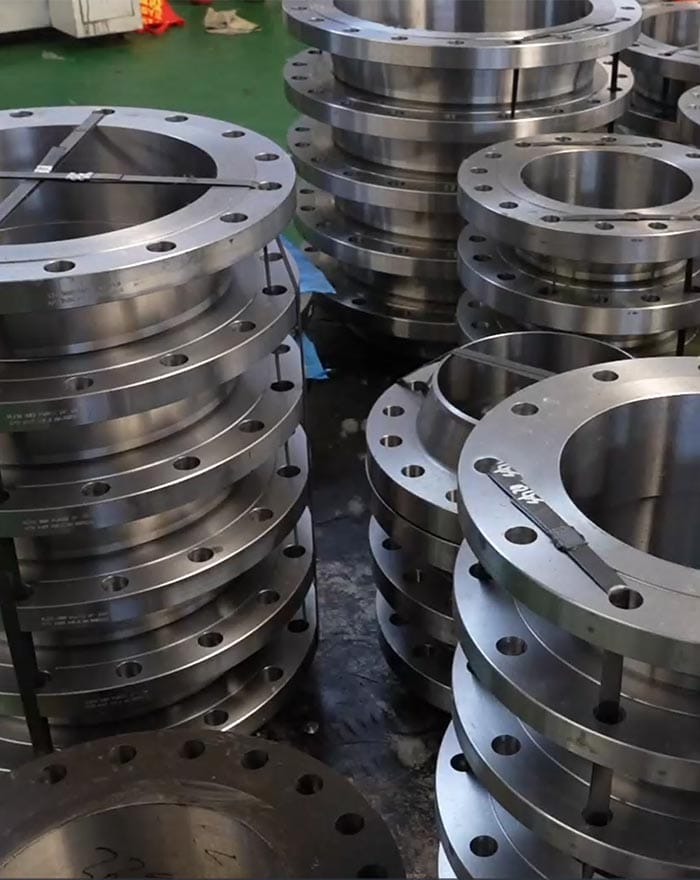
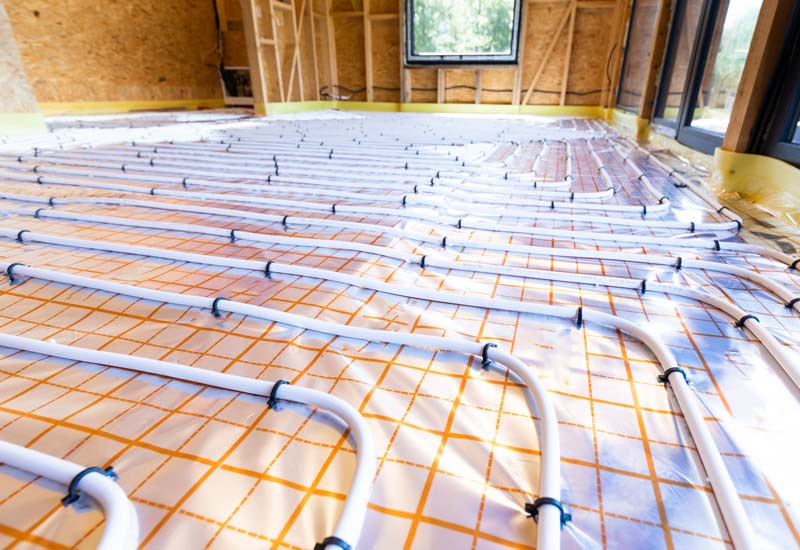
An underfloor heating pressure test should be completed before the loops are concealed. Identify and isolate each circuit, fill and purge air, apply the pressure sequence required by the approved procedure, allow plastic pipe and water temperature to stabilize, inspect every visible connection, and document the result. Pressure, duration, and acceptance values must come from the applicable system instructions and local requirements.
This guide keeps the scope on Graphene PE-RT Underfloor Heating Pipe and the decision promised by the title. It does not replace the governing code, project specification, manufacturer instructions, or an engineering review of the actual service.
Table of Contents
At a Glance
- Define the test procedure before filling
- Identify every circuit
- Fill slowly and remove air
- Allow for temperature stabilization
- Inspect the complete visible route
- Protect loops during screed placement
- Retest after risky work
- Create a useful test certificate
Define the test procedure before filling
Test medium, pressure, duration, stabilization, ambient limits, and acceptance must follow the applicable system rules. Do not borrow a metal-pipe procedure without review.
Assign responsibility for test boundaries and safety. Close define the test procedure before filling with an explicit status: accepted, rejected, conditionally released, or awaiting information. The final underfloor heating pressure test file should show approved changes and open actions, preventing an unresolved point about “test medium, pressure, duration, stabilization, ambient limits, and acceptance must follow the applicable system rules” from reaching construction or operation.
Identify every circuit
Label manifold ports and compare installed loops with drawings. Close or isolate equipment not included in the test.
Record pipe type, size, loop reference, and test instrument. For underfloor heating pressure test, the purpose of this step is to turn “label manifold ports and compare installed loops with drawings” into a check that can be accepted or rejected. Complete it before Graphene PE-RT Underfloor Heating Pipe moves beyond identify every circuit, and identify the document or measurement that supports the result.
Fill slowly and remove air
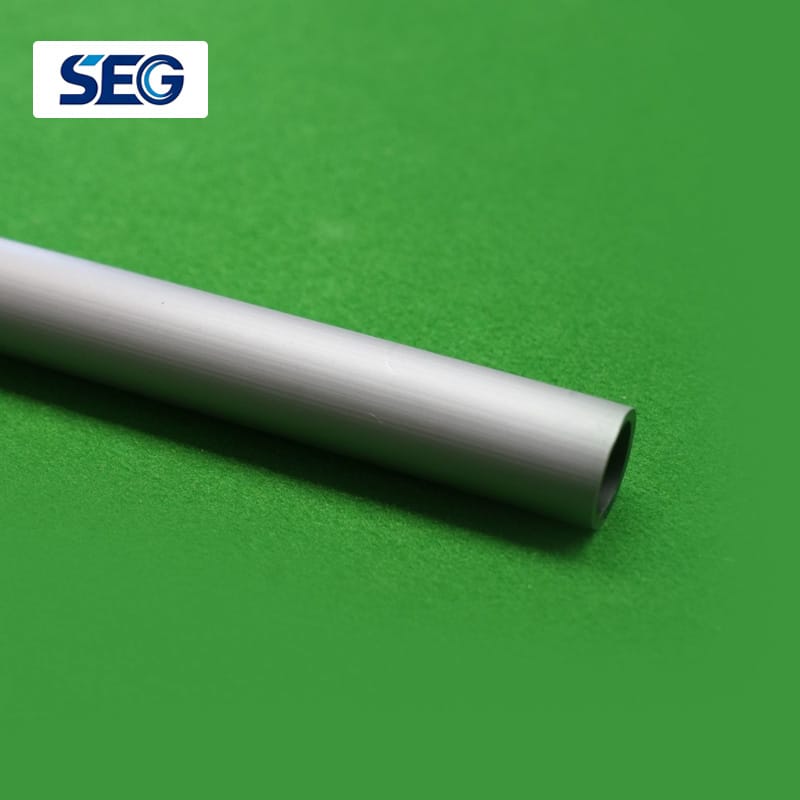
Purge one loop at a time where the manifold arrangement permits. Trapped air changes pressure behavior and stores energy.
Use water quality compatible with the final system. The practical risk at fill slowly and remove air is an interface that appears acceptable by itself but fails when assembled. Relate the Graphene PE-RT Underfloor Heating Pipe finding to the mating pipe, fitting, structure, instrument, coating, or building element affected by “trapped air changes pressure behavior and stores energy”.
Allow for temperature stabilization
Plastic pipe expands and pressure changes as pipe and water temperatures equalize. An initial pressure drop does not automatically mean leakage.
Use the specified stabilization sequence before judging results. Timing matters here. Evidence for allow for temperature stabilization is strongest while the relevant marking, surface, dimension, or connection is visible. For underfloor heating pressure test, record the item reference, observed condition, and disposition before later work conceals the feature described by “use the specified stabilization sequence before judging results”.
Inspect the complete visible route
Check manifold connections, transitions, pipe surfaces, bends, and temporary caps. Walk the circuit before it is covered.
Mark damage and replace or repair only through an approved method. Keep design and workmanship decisions separate during inspect the complete visible route. The approved drawing, data sheet, code, or procedure defines the required Graphene PE-RT Underfloor Heating Pipe condition; inspection establishes whether the supplied condition meets it. A familiar shop practice cannot replace that comparison.
Protect loops during screed placement
Maintain the required test condition if the project procedure calls for it. Monitor gauges and prevent workers from cutting, crushing, or lifting pipe.
Keep the manifold accessible. Review protect loops during screed placement across normal operation, testing, startup, shutdown, and maintenance where those states are relevant. The underfloor heating pressure test decision should remain suitable when temperature, load, flow, access, or support conditions change from the installation state.

Retest after risky work
Floor drilling, partition anchors, and later trades can damage concealed loops. Use controlled drilling zones and as-built route records.
Investigate unexplained pressure change before finishes proceed. If retest after risky work produces a deviation, describe the exact Graphene PE-RT Underfloor Heating Pipe condition and affected quantity before proposing repair or use-as-is. Technical approval should address the consequence identified by “use controlled drilling zones and as-built route records”, not only the commercial or schedule effect.
Create a useful test certificate
Record date, circuit IDs, medium, instrument, calibration, temperatures, pressure stages, duration, observations, and signatures. Attach photographs where helpful.
A pass stamp without data cannot support future diagnosis. Inspection evidence for create a useful test certificate should be traceable to the affected Graphene PE-RT Underfloor Heating Pipe. Link photographs, reports, gauges, certificates, or drawings to the item or location so that another reviewer can verify why “a pass stamp without data cannot support future diagnosis” was considered satisfied.
Standards and Source Documents
Use the edition named by the contract. Primary reference starting points include PPI PE-RT resources, PPI radiant systems, ASHRAE technical resources, ISO standards catalogue. Their scopes differ, so a general reference must not be treated as the acceptance criterion for every product or project.
Related Sirgou Resources
Compare the Graphene PE-RT Underfloor Heating Pipe product page with White Pe Rt Underfloor Heating Pipe and Orange Pe Rt Underfloor Heating Pipe. For supplier qualification context, read the pipe and fittings supplier guide. These pages support product research; they do not make adjacent products interchangeable.
Frequently Asked Questions
What should be confirmed first? — underfloor heating pressure test
Test medium, pressure, duration, stabilization, ambient limits, and acceptance must follow the applicable system rules. Assign responsibility for test boundaries and safety. If the project document is more specific, its requirement controls.
Which interface causes the most mistakes? — underfloor heating pressure test
Purge one loop at a time where the manifold arrangement permits. Use water quality compatible with the final system. If the project document is more specific, its requirement controls.
When should the check be recorded? — underfloor heating pressure test
Maintain the required test condition if the project procedure calls for it. Keep the manifold accessible. If the project document is more specific, its requirement controls.
What belongs in the final acceptance file? — underfloor heating pressure test
Record date, circuit IDs, medium, instrument, calibration, temperatures, pressure stages, duration, observations, and signatures. A pass stamp without data cannot support future diagnosis. If the project document is more specific, its requirement controls.
Before closing create a useful test certificate, connect the requirement “Record date, circuit IDs, medium, instrument, calibration, temperatures, pressure stages, duration, observations, and signatures” with the action “A pass stamp without data cannot support future diagnosis”. In this underfloor heating pressure test review, that connection identifies what was checked, why it matters to Graphene PE-RT Underfloor Heating Pipe, and which project record carries the final answer.
Project Takeaway
An underfloor heating pressure test should be completed before the loops are concealed. Use the article as a decision guide, then put the selected values, acceptance evidence, and approved deviations into the controlled project documents. For product-specific questions, contact Sirgou with the service conditions, size range, quantities, standards, and required documentation.