Redüktör, endüstriyel bir boru hattındaki en basit bileşenlerden biri gibi görünüyor: bir ucu daha büyük, diğeri daha küçük ve bağlantı parçası iki boyutu birbirine bağlıyor.
Uygulamada, a arasında seçim yapmak konsantrik vs eksantrik redüktör boru çapından çok daha fazlasını etkileyebilir Redüktör geometrisi boru hizalamasını, hava-cep oluşumunu, drenajı, pompa emiş koşullarını, destek yüksekliklerini, kaynak düzenini ve sıvının yakındaki ekipmana yaklaşma şeklini etkiler.
Bu özellikle yatay borulamada önemlidir.Bir malzeme listesinde mükemmel kabul edilebilir görünen bir redüktör, kurulumdan sonra istenmeyen bir yüksek nokta, düşük nokta veya hizalama değişikliği oluşturabilir.
Proje mühendisleri, EPC yüklenicileri ve endüstriyel alıcılar için daha iyi soru bu nedenle basitçe:
“Hangi redüktör daha güçlü?”
Şöyledir:
Hangi redüktör geometrisi boru sisteminin amaçlandığı gibi davranmasını sağlar?
Bu kılavuz bu soruya odaklanır ve nasıl değerlendirileceğini açıklar konsantrik vs eksantrik redüktör gerçek boru düzeni koşullarına dayalı konfigürasyonlar.
İçindekiler Tablosu
Redüktörün Çözmesi Gereken Problemle Başlayın
A arasında karar vermeden önce konsantrik vs eksantrik redüktör, boru boyutunun neden değiştiğini belirleyin.
Redüktör takılabilir çünkü:
- Bir proses hattı çap değiştirir
- Bir pompa nozulu, bağlı emme borusundan daha küçüktür
- Ekipman farklı bir bağlantı boyutuna sahiptir
- Boru hattının daha büyük veya daha küçük bir hız aralığına ihtiyacı vardır
- Mevcut bir boru hattının iki bölümünün birleştirilmesi gerekiyor
- Bir boru rafının belirli bir yüksekliği koruması gerekir
- Drenaj sürekli kalmalıdır
- Yatay bir çizgi hava cebi oluşturmaktan kaçınmalıdır
Bu durumların hepsi aynı geometriyi gerektirmez.
Bu nedenle bir redüktör, izole bir bağlantı parçası yerine boru düzeninin bir parçası olarak ele alınmalıdır.
Mevcut olan boru redüktör seçim kılavuzu redüktör malzemeleri, standartları ve RFQ gereksinimlerine daha geniş bir genel bakış sağlar. Bu makale, eşmerkezli ve eksantrik tasarımlar arasındaki geometrik ve kurulum farklılıklarına daha derinlemesine girmektedir.
Konsantrik Redüktör Nedir?
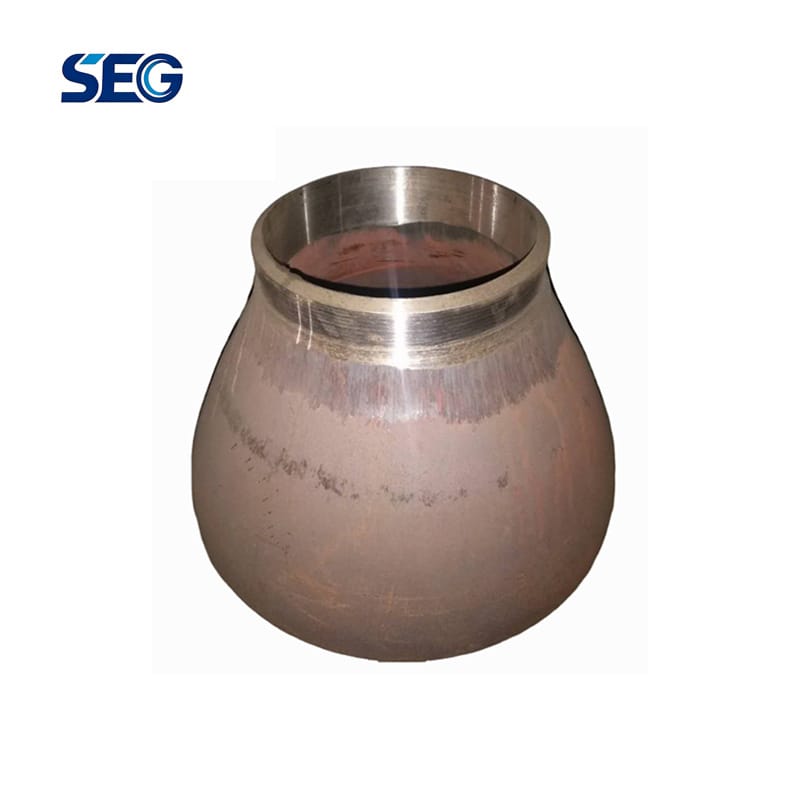
A konsantrik redüktör simetrik koni şeklinde bir geçişe sahiptir.
Büyük borunun merkez çizgisi ile küçük borunun merkez çizgisi aynı eksende kalır.
Bu, bağlantı parçasının tüm çevresi etrafında eşit bir azalma yaratır.
Centerline Sabit Kalıyor
Her iki uç da ortak bir merkez hattını paylaştığından, aşağı akış borusu orijinal merkez hattına göre yukarı, aşağı veya yana doğru hareket etmez.
Bu, boru hizalamasının ana husus olduğu durumlarda faydalıdır.
Tipik Konsantrik Redüktör Uygulamaları
Konsantrik redüktörler yaygın olarak aşağıdakiler için düşünülür:
- Dikey boru hatları
- Pompa boşaltma boruları
- Genel proses boruları
- Gaz boru hatları
- Simetrik ekipman bağlantıları
- Drenaj ve sıkışan havanın önemli bir endişe kaynağı olmadığı sistemler
Özellikle dikey boru hatlarında kullanışlıdırlar çünkü yerçekimi, yatay kurulumlarda bulunan aynı cep üstü veya cep altı endişelerini yaratmaz.
Geometri Neden Önemlidir
Dikey bir boruyu daha büyük bir çaptan daha küçük bir çapa düşürdüğünüzü hayal edin.
Eşmerkezli bir redüktör ile sıvı, simetrik bir geçiş yoluyla daha küçük çapa yaklaşır. Düz bir kenar ve kasıtlı bir ofset yoktur.
Bu, boru hizalama perspektifinden montajı nispeten basit hale getirir.
Ancak aynı simetrik geometri bazı yatay uygulamalarda dezavantaj haline gelebilir.
Eksantrik Redüktör Nedir?
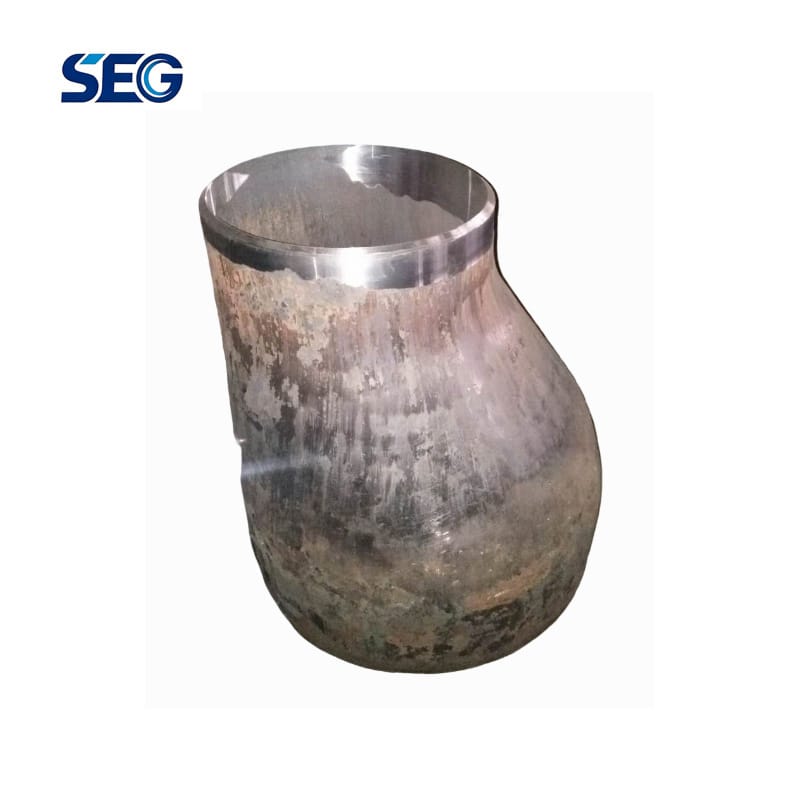
Bir eksantrik redüktör ayrıca iki farklı boru boyutunu birbirine bağlar, ancak geçiş merkez çizgisi etrafında simetrik değildir.
Bağlantı parçasının bir tarafı nispeten düz kalırken karşı tarafı daha küçük çapa doğru eğimlidir.
Sonuç olarak, iki boru boyutunun merkez çizgileri dengelenir.
Neden Ofset Oluşturulmalı?
Ofset, tasarımcıların yatay bir borunun üst veya alt yüksekliğini korumasına olanak tanır.
Sistemin şunları yapması gerektiğinde bu değerli hale gelir:
- Hava veya buharın birikebileceği yüksek bir noktadan kaçının
- Sıvı veya katıların toplanabileceği düşük bir noktadan kaçının
- Desteklerde borunun alt kısmının yüksekliğini koruyun
- Pompa emme borularına geçişi kontrol edin
- Belirli bir ekipman bağlantı yüksekliğini koruyun
Arasındaki karar konsantrik vs eksantrik redüktör bu nedenle tasarımlar genellikle borunun üstünde ve altında ne olacağına dair bir karardır.
Konsantrik vs Eksantrik Redüktör: Hızlı Karşılaştırma
| Seçim Faktörü | Konsantrik Redüktör | Eksantrik Redüktör |
|---|---|---|
| Geometri | Simetrik | Asimetrik |
| Boru merkez hatları | Aynı merkez çizgisi | Ofset merkez hatları |
| Düz taraf | Hayır hayır | Evet evet |
| Tipik dikey boru kullanımı | Çok uygun | Daha az yaygın |
| Yatay pompa emme | Genellikle ilk tercih değil | Yaygın olarak kullanılan |
| Hava-cep kontrolü | Yerel bir yüksek nokta oluşturabilir | Düz bir üst yüzeyi koruyabilir |
| Drenaj kontrolü | Yerel bir düşük nokta oluşturabilir | Düz bir alt yüzeyi koruyabilir |
| Boru rafı yükseklik kontrolü | Merkez hattı sabit kalır | Üst veya alt yüksekliği koruyabilir |
| Kurulum yönelimi | Genelde basit | Yönlendirme belirtilmelidir |
| Tedarik riski | Orta derecede | Yönelim belirsizse daha yüksek |
| Çizim gereksinimi | Boyut geçişi kritiktir | Boyut geçişi ve düz taraf yönü kritik öneme sahiptir |
A'daki temel fark konsantrik vs eksantrik redüktör karşılaştırma sadece şekil değildir.Bu şekil yatay bir boru hattının iç yüksek ve alçak noktalarını nasıl değiştirdiğidir.
Pompa Emme Boruları Kararı Neden Değiştirir
Pompa emme, redüktör geometrisini değerlendirirken en önemli uygulamalardan biridir.
Birçok kurulumda emme borusu kasıtlı olarak pompa emme nozulundan daha büyüktür.Daha sonra pompa bağlantısından önce bir redüktör gerekir.
Sorun, zayıf giriş boru geometrisinin pompaya yaklaşan akışı bozabilmesidir.
Hidrolik Enstitüsünün rehberliği rotodinamik pompa boruları özellikle giriş ve çıkış boru düzenlemelerinin pompa performansı üzerindeki etkilerini ele alır.Yayınlanan pompa boru kılavuzu ayrıca eksantrik redüktörlerin ve pompa emme nozullarının yukarı akışında yeterli düz boruların dikkate alınmasını da önerir.
Hava-Cep Sorunu
Eşmerkezli bir bağlantı parçası kullanarak çapı küçülen yatay bir emme borusu düşünün.
Borunun üst yüzeyi, daha büyük boru çapına göre aşağı ve sonra tekrar yukarı doğru eğimlidir.
Bu geometri yerel bir yüksek bölge oluşturabilir.
Boru konfigürasyonuna ve akışkan koşullarına bağlı olarak hava veya buhar bu kadar yüksek noktalarda birikebilir.
Bir pompa emme akışına giren hava aşağıdakilere katkıda bulunabilir:
- Kararsız pompa çalışması
- Artan gürültü
- Titreşim
- Azaltılmış hidrolik performans
- Pervaneye düzensiz akış giriyor
- Güvenilir emme koşullarının kaybı
Bu yüzdendir konsantrik vs eksantrik redüktör pompaların yakınındaki seçim, standart hat boyutunda bir geçişten daha fazla ilgiyi hak ediyor.
Eksantrik Redüktör Neden Yardımcı Olur
Eksantrik bir redüktör, uygun yönde monte edildiğinde sürekli bir üst yüzeyi koruyabilir.
Yükseltilmiş bir cep oluşturmak yerine, daha büyük ve daha küçük boru bölümlerinin üst kısmı hizalı kalabilir.
Bu, boyut geçişinde havanın toplanma fırsatını azaltır.
Birçok yatay sıvı pompası emme düzenlemesi için eksantrik tasarımın seçilmesinin ana nedeni budur.
Düz Taraf Yukarı mı Düz Taraf Aşağı mı?
Bu, eksantrik redüktörler hakkında en çok aranan ve sıkça yanlış anlaşılan sorulardan biridir.
Her akışkan ve her boru konfigürasyonu için geçerli olan evrensel bir kural yoktur.
Yönlendirme, sistemin neyi engellemeye çalıştığını yansıtmalıdır.
Düz Yan Yukarı
Birçok yatay sıvı pompası emme hattı için eksantrik redüktör genellikle düz tarafı üstte olacak şekilde monte edilir.
Amaç
Amaç, pompadan önce gaz veya havanın birikebileceği yüksek bir nokta yaratılmasını önlemektir.
Borunun üst kısmı redüktör boyunca nispeten sürekli kalır.
Bu düzenleme sıklıkla su basmış emme veya diğer yatay sıvı emme borularıyla ilişkilendirilir.
Alıcıların Onaylaması Gerekenler
Satın alma siparişine basitçe “eksantrik redüktör” yazmayın.
Üretim ekipleri amaçlanan saha yönünü yalnızca montaj adından belirleyemediğinden, çizim veya spesifikasyon gerekli yönelimi tanımlamalıdır.
Düz Taraf Aşağı
Borunun alt yüksekliğinin korunması daha önemli olduğunda düz yan aşağı düzenleme seçilebilir.
Tipik hususlar şunları içerir:
- Drenaj
- Boru rafı hizalaması
- Tortu yönetimi
- Boru tabanının yüksekliğinin korunması
- Belirli buhar veya yoğuşma düzenlemeleri
Gerçek yönlendirme her zaman boru tasarımcısının onaylı çizim ve proje mühendisliği standardını takip etmelidir.
Bu herhangi bir konuda kritik bir ayrımdır konsantrik vs eksantrik redüktör spesifikasyon: Yönlendirme gereksinimi olmayan eksantrik bir bağlantı parçası, eksik bir tasarım talimatıdır.
Yatay ve Dikey Borular
Boru oryantasyonu redüktör seçimini daraltmanın en hızlı yollarından biridir.
Dikey Çizgiler
Eşmerkezli bir redüktör genellikle dikey boru hatları için uygundur çünkü ortalanmış geçiş boru eksenini aynı hizada tutar.
Bağlantı parçasının üstünde veya altında yatay bir cep oluşturma konusunda genellikle daha az endişe vardır.
Uygulamalar şunları içerebilir:
- Dikey proses yükselticileri
- Pompa boşaltma yükselticileri
- Dikey su hatları
- Gaz veya buhar hatları
- Hizalanmış merkez hatlarına sahip ekipman bağlantıları
Yatay Çizgiler
Yatay boru hatları daha dikkatli bir değerlendirme gerektirir.
Yerçekimi üst ve alt geometriyi önemli kılar.
Redüktör seçmeden önce, şunu sorun:
- Üstte gaz birikebilir mi?
- Sıvı altta toplanabilir mi?
- Borunun tam drenaja ihtiyacı var mı?
- Alt yükseltinin sabit kalması gerekiyor mu?
- Redüktör pompaya yakın mı?
- Hat askıda katı madde mi taşıyor?
- Boru hattı bir raf üzerinde sürekli olarak destekleniyor mu?
Bu sorular sıklıkla konuyu zorluyor konsantrik vs eksantrik redüktör eksantrik bir tasarıma doğru karar.
Redüktörler Akış Hızını Değiştirir mi?
Evet, ama redüktör tipi sadece hıza göre seçilmemelidir.
Aynı hacimsel akış hızı daha küçük bir iç kesit alanı boyunca hareket ettiğinde, ortalama akış hızı genellikle artar.
Ancak redüktör performansı giriş ve çıkış çaplarından daha fazla etkilenir.
Önemli faktörler şunlardır:
- Boyut azaltma oranı
- Redüktör uzunluğu
- İç yüzey durumu
- Akışkan yoğunluğu
- Sıvı viskozitesi
- Boru pürüzlülüğü
- Yukarı yöndeki dirsekler
- Vanalar
- Süzgeçler
- Pompa giriş geometrisi
- Akış rejimi
Redüktöre İzole Bir Bileşen Olarak Davranmaktan Kaçının
Mükemmel üretilmiş bir redüktör, kötü yukarı akış boru tasarımını düzeltemez.
Örneğin, bir redüktörün şiddetli bir dirsekten hemen sonra ve doğrudan pompanın önüne yerleştirilmesi yine de eşit olmayan giriş akışı yaratabilir.
Hidrolik Enstitüsünün pompa borulama önerileri, her emme problemini çözmek için tek bir bağlantı parçasına güvenmek yerine yeterli düz boru ve kontrollü giriş geometrisini vurgulamaktadır.
Bu yüzdendir konsantrik vs eksantrik redüktör seçim, boru düzeninin tamamıyla koordine edilmelidir.
Boru Rafı Yüksekliği Redüktör Seçimini Nasıl Etkiler
Boru rafları, eksantrik geometrinin değerli hale geldiği başka bir durum yaratır.
Endüstriyel boru rafları sıklıkla koordineli yüksekliklerde birden fazla boru hattını destekler.
Bir boru eşmerkezli bir redüktör aracılığıyla çap değiştirirse, aynı merkez çizgisini korumak, daha küçük borunun tabanının yukarı doğru hareket etmesi anlamına gelir.
Bu değişebilir:
- Destek yüksekliği
- Ayakkabı ölçüleri
- Kılavuz konumu
- Drenaj eğimi
- Yakındaki borulara geçiş
Borunun Altının Korunması
Alt yüzey hizalı kalacak şekilde eksantrik bir redüktör düzenlenebilir.
Bu, daha büyük ve daha küçük boruların yaklaşık olarak aynı alt yükseklikte devam etmesine olanak tanır.
Faydası sadece hidrolik değildir.
Şunları basitleştirebilir:
- Boru destek tasarımı
- Raf yükseklik koordinasyonu
- Saha kurulumu
- Yapısal açıklıklar
- Drenaj planlaması
Birçok farklı içeren büyük projeler için endüstriyel boru bağlantı parçaları, bu geometrik ayrıntılar sahada önemli ölçüde yeniden çalışmayı önleyebilir.
Konsantrik Redüktörlerin Hala Daha Mantıklı Olduğu Yer
Pompa emme uygulamalarında eksantrik redüktörlere verilen önem, alıcıların eksantrik bağlantı parçasının her zaman daha gelişmiş bir seçim olduğunu varsaymasına neden olabilir.
Değildir.
Eşmerkezli bir tasarım birçok sistemde uygun olmaya devam etmektedir.
Dikey Borular
Simetrik geçiş doğal olarak boru eksenini takip eder.
Pompa Boşaltma
Redüktörde hava cebinin önlenmesi, basınçlı boşaltma tarafında genellikle daha az endişe vericidir, ancak tam sistem tasarımı hala önemlidir.
Genel Süreç Geçişleri
Sistemin borunun üstünde veya borunun altında süreklilik gerektirmediği durumlarda eşmerkezli bir redüktör, basit merkezli bir geçiş sağlar.
Alan ve Yerleşim Koordinasyonu
Eşmerkezli bir bağlantı parçası, her iki bağlı boru bölümünün de ortak bir merkez hattında kalması gereken düzenleri de basitleştirebilir.
Doğru olan konsantrik vs eksantrik redüktör karar, hangi ürünün daha karmaşık göründüğüne değil, düzen gereksinimlerine bağlıdır.
ASME B16.9 ve Redüktör Boyutları
Endüstriyel alın kaynaklı redüktörler genellikle yalnızca nominal boru boyutundan ziyade boyut standartlarına göre belirlenir.
ASME'nin standartlar programı listeleri ASME B16.9-2024, Fabrika Yapımı Dövme Alın Bağlantı Parçaları 2024'te yayınlanan mevcut baskı olarak Standart, fabrika yapımı dövme alın kaynağı bağlantı parçaları için temel boyut, tolerans, derecelendirme, test ve işaretleme gereksinimlerini kapsar.
Standartlar bağlamını şu şekilde inceleyebilirsiniz ASME B16 standartları bilgileri.
Boyut Geçişi
Bir redüktör spesifikasyonu her iki ucu da açıkça belirtmelidir.
Örneğin:
NPS 8 × NPS 6
veya
DN 200 × DN 150
Sadece daha büyük boru boyutunu sağlamayın.
Duvar Kalınlığı
Gerekli programı veya duvar kalınlığını belirtin.
Örnekler şunları içerebilir:
- Program 20
- Program 40
- Program 80
- Program 160
- Projeye özel duvar kalınlığı
Gerçek gereksinim, bağlı boru spesifikasyonunu ve mühendislik tasarımını takip etmelidir.
Son Hazırlık
Alın kaynağı bağlantı parçaları için kaynak uçları proje kaynak gereksinimine uygun olmalıdır.
Olağandışı duvar kalınlıkları söz konusu olduğunda, şunları onaylayın:
- Eğim hazırlığı
- İç delik
- Geçiş gereksinimleri
- Son duvar kalınlığı
üretim öncesi.
Endüstriyel Redüktörler için Malzeme Seçimi
Geometri redüktörün sisteme nasıl uyduğunu belirler Malzeme servis ortamında hayatta kalıp kalamayacağını belirler.
Yaygın endüstriyel redüktör malzemeleri şunları içerir:
Karbon Çelik
Genellikle mekanik mukavemetin ve kaynaklanabilirliğin önemli olduğu genel endüstriyel borular için seçilir.
Paslanmaz Çelik
Korozyon direnci, temizlik veya proses uyumluluğunun daha dayanıklı bir malzeme gerektirdiği durumlarda kullanılır.
Alaşımlı Çelik
Yüksek sıcaklık veya diğer zorlu proses koşulları için belirtilebilir.
Dubleks Çelik
Mekanik mukavemet ve korozyon direncinin bir kombinasyonunun gerekli olduğu durumlarda dikkate alınır.
Düşük Sıcaklık Çelik
Azaltılmış sıcaklıklarda darbe dayanıklılığının önemli bir proje gereksinimi olduğu durumlarda kullanılır.
Site şu anda her ikisini de sağlıyor konsantrik redüktörler ve eksantrik redüktörler çoklu endüstriyel malzeme sistemlerinde.
Malzeme, yalnızca başka bir kalitenin kolaylıkla temin edilebilmesi nedeniyle ikame edilmek yerine her zaman boru spesifikasyonuna göre seçilmelidir.
Bir Redüktör RFQ'da Doğru Şekilde Nasıl Belirlenir
İyi bir redüktör RFQ, bir tedarikçinin varsayımlarda bulunmadan kesin ürünü tanımlamasına izin vermelidir.
Bir için konsantrik vs eksantrik redüktör soruşturma, aşağıdaki bilgileri içerir.
Redüktör Tipi
Açıkça belirtin:
- Konsantrik redüktör
veya
- Eksantrik redüktör
Eksantrik redüktörler için gerekli yönelimi ekleyin veya onaylı çizime referans verin.
Büyük ve Küçük Uç Boyutları
Örnek:
10×8 inç
Duvar Kalınlığı veya Programı
Gerektiğinde her iki ucu da belirtin.
Malzeme Sınıfı
Sadece şunları yazmayın:
“Karbon çelik redüktör”
Bunun yerine, proje belgelerinden tam olarak uygulanabilir malzeme spesifikasyonunu sağlayın.
İmalat Standardı
Uygun olduğu yerde ASME B16.9 gibi gerekli boyut standardını belirtin.
Bağlantıyı Sonlandır
Alın kaynaklı redüktörler için özel eğim veya uç hazırlama gereksinimlerini belirleyin.
Miktar
Farklı redüktörleri tek bir hat altında birleştirmek yerine miktarları bireysel boyuta göre ekleyin.
Muayene
Gerekli belirtin:
- Boyutsal muayene
- Görsel inceleme
- Malzeme sertifikaları
- Isı numarası izlenebilirliği
- Uygun olduğu yerde PMI
- Tahribatsız muayene
- Üçüncü taraf denetimi
- Proje dokümantasyonu
İşaretleme
İşaretlerin şunları içermesi gerekip gerekmediğini tanımlayın:
- Malzeme sınıfı
- Boyut
- Zamanlama
- Isı numarası
- Standart
- Proje numarası
- Satır numarası
Açık işaretleme, bir gönderi birçok redüktör boyutu içerdiğinde özellikle kullanışlı hale gelir.
Muayene Noktaları Alıcıları Genellikle Kaçır
Redüktör denetimi sadece malzeme sertifikalarına odaklanmamalıdır.
Geometri de aynı derecede önemlidir.
Dış Çap
Her iki uç da geçerli boru boyutlarıyla eşleşmelidir.
Duvar Kalınlığı
Belirtilen programa veya proje kalınlığına göre uyumu doğrulayın.
Uçtan Uca Uzunluk
Yanlış redüktör uzunluğu, özellikle prefabrik borular söz konusu olduğunda makara montaj sorunlarına neden olabilir.
Konsantriklik
Eşmerkezli bağlantı parçaları için, büyük ve küçük uçlar, uygulanabilir tolerans dahilinde aynı eksen etrafında doğru şekilde hizalanmalıdır.
Eksantrik Ofset
Eksantrik redüktörler için ofset geometrisi belirtilen tasarıma uygun olmalıdır.
Son Hazırlık
Onaylanmış kaynak şartnamesine göre eğim açısını, kök yüzünü ve uç durumunu kontrol edin.
Yüzey Durumu
Şunları arayın:
- Çatlaklar
- Derin ezikler
- Ciddi ölçek
- Laminasyon
- Uygunsuz taşlama
- Yüzey hasarı
İşaretleme ve İzlenebilirlik
Malzeme tanımlaması, gerektiğinde ilgili üretim ve muayene belgelerine kadar izlenebilir kalmalıdır.
Bu kontroller önemlidir çünkü konsantrik vs eksantrik redüktör karar yalnızca sağlanan bağlantı parçası gerçekten belirtilen geometriyle eşleştiğinde faydalıdır.
Alan Sorunlarına Neden Olan Yedi Redüktör Seçim Hatası
1. Türü Belirlemeden “Reducer” Sipariş Etmek
Sadece “8 × 6 redüktör” diyen bir malzeme listesi, kritik bir geometrik detayı tanımsız bırakır.
2. Eksantrik Redüktörün Konsantrik Redüktörle Değiştirilmesi
İki bağlantı parçası aynı boyut geçişine sahip olabilir ancak yatay boru düzeninde farklı performans gösterebilir.
Mühendislik onayı olmadan geometriyi değiştirmeyin.
3. Düz Taraf Yönelimi Göz ardı Etmek
Doğru sipariş edilen ancak yanlış yönde takılan eksantrik bir redüktör, belirtilmesinin tüm nedenini ortadan kaldırabilir.
Boru Zamanlama unutmak 4
Redüktör uçları, bağlanan boruların duvar kalınlığı ile uyumlu olmalıdır.
5. Yakın Dirsekleri Görmezden Gelmek
Dirsek, pompa veya başka bir akış bozukluğunun yakınındaki bir redüktör, tüm boru düzeninin bir parçası olarak gözden geçirilmelidir.
6. Sadece Ürün Fotoğrafından Seçme
Fotoğraflar şekli gösterir, uygunluğu değil.
Basınç, sıcaklık, malzeme, boyut, program ve servis koşulları yine de onaylanmalıdır.
7. Muayene Gereksinimlerini Üretim Sonrasına Bırakmak
Malzeme sertifikaları, boyutsal kayıtlar ve üçüncü taraf denetimi, üretim başlamadan önce satın alma spesifikasyonunda tanımlanmalıdır.
Konsantrik ve Eksantrik Redüktör Karar Kontrol Listesi
RFQ göndermeden önce bu basitleştirilmiş kontrol listesini kullanın.
| Soru | Eğer Evet | Olası Yön |
| Boru dikey mi? | Merkez hattı hizalaması önemlidir | Konsantrik düşünün |
| Redüktör yatay pompa emişinde mi? | Hava cep kontrolü önemlidir | Eksantrik düşünün |
| Borunun üst kısmı düz kalmalı mı? | Yerel yüksek noktadan kaçının | Eksantrik düşünün |
| Borunun tabanı düz kalmalı mı? | Drenaj/destek yüksekliği önemlidir | Eksantrik düşünün |
| Genel dikey proses borularında mı? | Simetrik geçiş iyi çalışıyor | Konsantrik düşünün |
| Hat askıda katı madde içeriyor mu? | Düşük nokta birikimi gözden geçirilmelidir | Mühendis oryantasyonu dikkatli |
| Redüktör hassas ekipmanların yakınında mı? | Giriş akışı kalitesi önemlidir | Tam düzeni gözden geçirin |
| Redüktör boru rafına mı takılı? | Destek yüksekliği önemli olabilir | Eksantrik yönelimi gözden geçirin |
| Proje çizimi zaten onaylandı mı? | Geometri zaten tanımlanmış | Çizimi tam olarak takip edin |
Tablo, mühendislik tasarımının yerine geçmek yerine bir tarama aracı olarak tasarlanmıştır.
SSS
Konsantrik ve eksantrik redüktörler arasındaki temel fark nedir?
Eşmerkezli bir redüktör, büyük ve küçük boru uçlarını aynı merkez hattında tutar.Eksantrik bir redüktör merkez hatlarını dengeler ve nispeten düz bir taraf oluşturur.
Pompa emme hattı için hangi redüktör kullanılmalıdır?
Yatay sıvı pompa emme hatları genellikle eksantrik redüktörler kullanır, çünkü geometri havanın toplanabileceği yerel yüksek noktalardan kaçınmaya yardımcı olabilir.Son düzenleme onaylanmış pompa boru tasarımına uymalıdır.
Yatay pompa emişinde eşmerkezli redüktör neden yaygın olarak tercih edilmez?
Simetrik şekli belirli yatay düzenlerde yerel bir yüksek nokta oluşturabilir That geometry may allow air to colump before the pump.
Eksantrik redüktör düz tarafı yukarı mı olmalı?
Birçok yatay sıvı emme düzenlemesi için, sürekli bir üst boru yüzeyinin korunmasına yardımcı olmak için düz tarafı yukarı doğru yaygın olarak kullanılır.Diğer hizmetler farklı bir yönlendirme gerektirebilir, bu nedenle mühendislik çizimi önceliklidir.
Flat side down ne zaman kullanılır?
Boru tabanının sürekliliği, drenajı, boru hattının yüksekliği veya katı madde davranışı birincil endişe olduğunda düz yan aşağı düşünülebilir.
Eşmerkezli redüktörler dikey borulama için uygun mudur?
Evet. Dikey borulama, eşmerkezli redüktörler için en yaygın uygulamalardan biridir çünkü bağlantı parçası her iki boru boyutunu da aynı eksende tutar.
Eksantrik redüktör basınç kaybını azaltır mı?
Eksantrik redüktör seçiminin ana nedeni, sadece basınç kaybını en aza indirmek yerine genellikle geometri ve cep kontrolüdür. Hidrolik performans, komple boru sistemine bağlıdır.
Eşmerkezli ve eksantrik redüktörler aynı malzemeyi kullanabilir mi?
Evet.her iki tip de proje gereksinimlerine bağlı olarak çeşitli karbon çeliği, paslanmaz çelik, alaşımlı çelik, dubleks çelik ve düşük sıcaklık çelik özelliklerinde üretilebilir.
Hangi standart alın kaynaklı boru redüktörlerini kapsar?
ASME B16.9 fabrika yapımı dövme alın-kaynak bağlantı parçaları için yaygın olarak kullanılmaktadır.alıcılar her zaman proje belgelerinde belirtilen standardı onaylamalıdır.
Redüktör isterken hangi bilgileri göndermeliyim?
Redüktör tipi, büyük ve küçük boyutlar, duvar kalınlığı veya programı, malzeme, standart, miktar, son hazırlık, muayene gereksinimleri ve eksantrik bağlantı parçaları için gerekli yönlendirme sağlayın.
Sonuç
The konsantrik vs eksantrik redüktör karar temelde bir boru düzeni kararıdır.
Eşmerkezli bir redüktör simetrik bir geçiş sağlar ve birçok dikey ve genel proses borulama uygulamasına çok uygundur.Eksantrik bir redüktör, tasarımcıların yatay sistemlerde üst veya alt yükselmeyi kontrol edebilmesi için boru merkez hattını kasıtlı olarak dengeler.
Bu fark özellikle aşağıdakiler etrafında önem kazanıyor:
- Pompa emme boruları
- Drenaja duyarlı sistemler
- Boru rafları
- Yatay sıvı boru hatları
- Katı madde taşıyan hatlar
- Ekipman bağlantıları
Endüstriyel alıcılar için en önemli ders, giriş ve çıkış boyutları eşleştiği için her iki redüktörü de değiştirilebilir olarak ele almamaktır.
Sipariş vermeden önce şunları onaylayın:
- Boru yönü
- Akışkan davranışı
- Ekipman konumu
- Redüktör yönelimi
- Malzeme
- Boyut geçişi
- Zamanlama
- Üretim standardı
- Muayene gereksinimleri
Daha geniş bir ürün genel bakışı için, mevcut olanı gözden geçirin boru redüktör seçim kılavuzu ve tam Redüktör ürün kategorisi.
Belirli boyutlar, malzemeler, dokümantasyon veya karma endüstriyel bağlantı paketleri gerektiren projeler de yapılabilir i̇nceleme için boru gereksinimlerini gönderin sipariş vermeden önce.