Peredam tampak seperti salah satu komponen paling sederhana dalam pipa industri: satu ujung lebih besar, yang lain lebih kecil, dan fitting menghubungkan dua ukuran.
Dalam praktiknya, memilih antara a peredam konsentris vs eksentrik dapat mempengaruhi jauh lebih dari diameter pipa. Geometri peredam mempengaruhi penyelarasan pipa, pembentukan udara-kantong, drainase, kondisi hisap pompa, elevasi dukungan, tata letak pengelasan dan cara cairan mendekati peralatan terdekat.
Hal ini sangat penting dalam perpipaan horizontal. Peredam yang terlihat sangat dapat diterima pada daftar material dapat menciptakan titik tinggi, titik rendah, atau perubahan keselarasan yang tidak diinginkan setelah pemasangan.
Untuk insinyur proyek, kontraktor EPC dan pembeli industri, pertanyaan yang lebih baik karena itu tidak hanya:
“Peredam mana yang lebih kuat?”
Ia adalah:
Geometri peredam manakah yang memungkinkan sistem perpipaan berperilaku sebagaimana mestinya?
Panduan ini berfokus pada pertanyaan itu dan menjelaskan cara mengevaluasi peredam konsentris vs eksentrik konfigurasi berdasarkan kondisi tata letak perpipaan nyata.
Daftar Isi
Mulailah Dengan Masalah yang Harus Diselesaikan Reducer
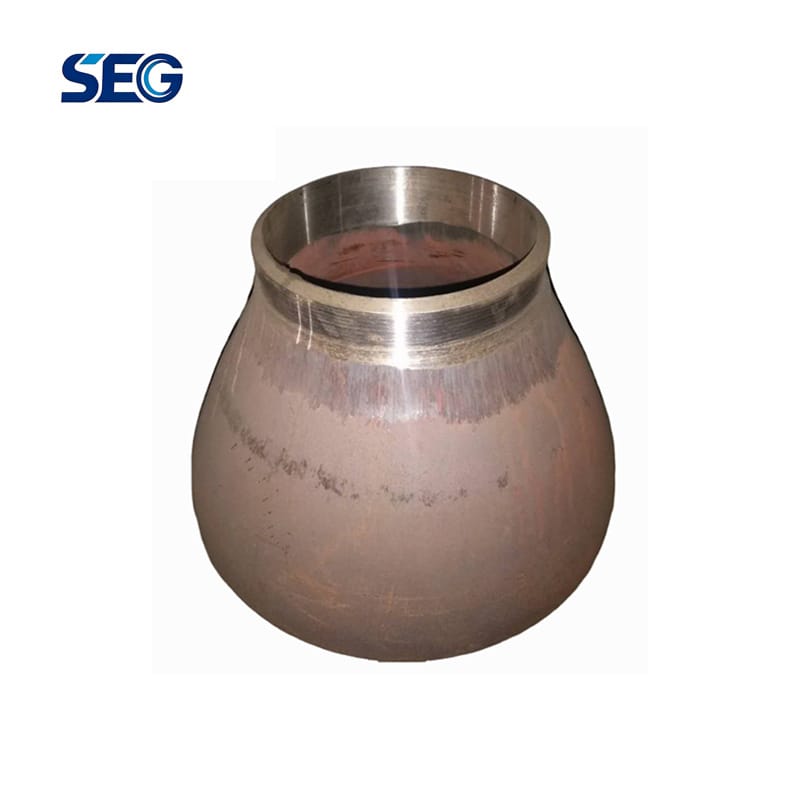
Sebelum memutuskan antara a peredam konsentris vs eksentrik, mengidentifikasi mengapa ukuran pipa berubah.
Reducer mungkin dipasang karena:
- Garis proses mengubah diameter
- Nozzle pompa lebih kecil dari pipa hisap yang terhubung
- Peralatan memiliki ukuran koneksi yang berbeda
- Pipa tersebut memerlukan rentang kecepatan yang lebih besar atau lebih kecil
- Dua bagian dari pipa yang ada harus digabungkan
- Rak pipa perlu mempertahankan ketinggian tertentu
- Drainase harus tetap kontinu
- Garis horizontal harus menghindari terciptanya kantong udara
Situasi ini tidak semuanya memerlukan geometri yang sama.
Oleh karena itu, peredam harus diperlakukan sebagai bagian dari tata letak perpipaan, bukan sebagai fitting yang terisolasi.
Yang ada panduan pemilihan peredam pipa memberikan gambaran yang lebih luas tentang bahan peredam, standar dan persyaratan RFQ. Artikel ini membahas lebih dalam perbedaan geometris dan pemasangan antara desain konsentris dan eksentrik.
Apa Itu Reducer Konsentris?
A reducer konsentris memiliki transisi berbentuk kerucut simetris.
Garis tengah pipa besar dan garis tengah pipa kecil tetap pada sumbu yang sama.
Hal ini menciptakan pengurangan yang merata di sekitar seluruh keliling fitting.
Garis Tengah Tetap Konstan
Karena kedua ujungnya berbagi garis tengah yang sama, pipa hilir tidak bergerak ke atas, ke bawah atau ke samping relatif terhadap garis tengah aslinya.
Hal ini berguna jika penyelarasan perpipaan menjadi pertimbangan utama.
Aplikasi Reducer Konsentris Khas
Reduksi konsentris biasanya dipertimbangkan untuk:
- Pipa vertikal
- Pipa debit pompa
- Perpipaan proses umum
- Pipa gas
- Sambungan peralatan simetris
- Sistem di mana drainase dan udara yang terperangkap tidak menjadi perhatian yang signifikan
Mereka sangat nyaman dalam menjalankan pipa vertikal karena gravitasi tidak menciptakan masalah saku atas atau saku bawah yang sama yang ditemukan dalam instalasi horizontal.
Mengapa Geometri Penting
Bayangkan mengurangi pipa vertikal dari diameter yang lebih besar ke diameter yang lebih kecil.
Dengan peredam konsentris, cairan mendekati diameter yang lebih kecil melalui transisi simetris. Tidak ada sisi datar dan tidak ada offset yang disengaja.
Hal ini membuat pemasangannya relatif mudah dari sudut pandang penyelarasan perpipaan.
Namun, geometri simetris yang sama dapat menjadi kelemahan dalam aplikasi horizontal tertentu.
Apa Itu Peredam Eksentrik?
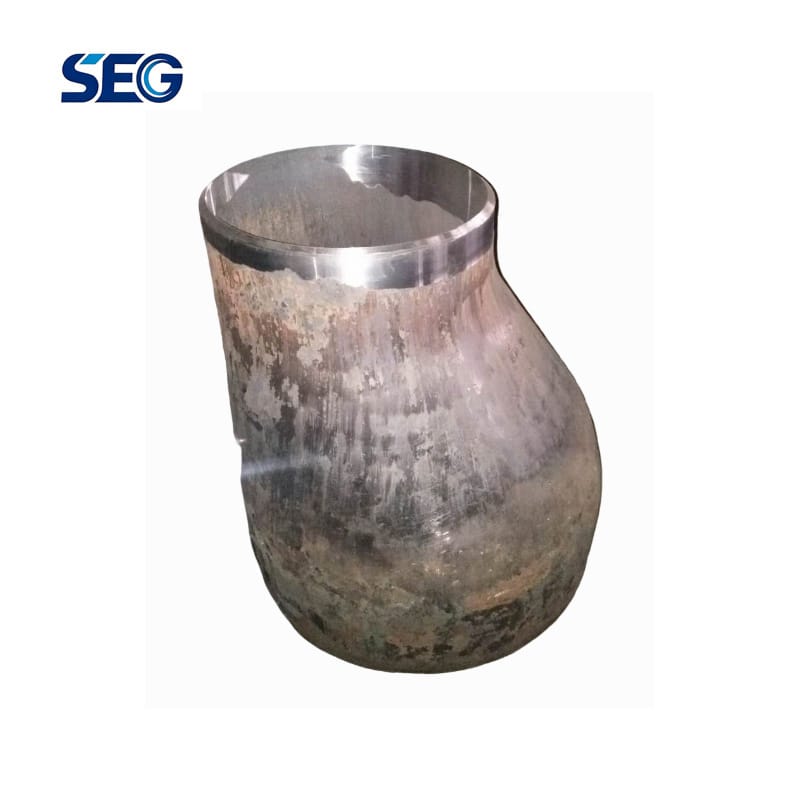
An reducer eksentrik juga menghubungkan dua ukuran pipa yang berbeda, tetapi transisi tidak simetris di sekitar garis tengah.
Satu sisi fitting tetap relatif datar sedangkan sisi yang berlawanan miring ke arah diameter yang lebih kecil.
Akibatnya, garis tengah kedua ukuran pipa tersebut diimbangi.
Mengapa Membuat Offset?
Offset memungkinkan desainer untuk mempertahankan baik atas atau bawah elevasi pipa horizontal.
Itu menjadi berharga ketika sistem perlu:
- Hindari titik tinggi di mana udara atau uap dapat terakumulasi
- Hindari titik rendah di mana cairan atau padatan dapat terkumpul
- Pertahankan elevasi bagian bawah pipa pada penyangga
- Kontrol transisi ke pipa hisap pompa
- Pertahankan ketinggian sambungan peralatan tertentu
Keputusan antara peredam konsentris vs eksentrik desain karena itu sering keputusan tentang apa yang terjadi di bagian atas dan bawah pipa.
Reducer Konsentris vs Eksentrik: Perbandingan Cepat
| Faktor Seleksi | Reducer Konsentris | Peredam Eksentrik |
|---|---|---|
| Geometri | Simetris | Asimetris |
| Centerline pipa | Centerline yang sama | Garis tengah offset |
| Sisi datar | No | Ya |
| Penggunaan perpipaan vertikal yang khas | Sangat cocok | Kurang umum |
| Hisap pompa horizontal | Biasanya bukan pilihan pertama | Biasa digunakan |
| Kontrol air-pocket | Dapat membuat titik tinggi lokal | Dapat mempertahankan permukaan atas yang rata |
| Kontrol drainase | Dapat membuat titik rendah lokal | Dapat mempertahankan permukaan bawah yang rata |
| Kontrol elevasi rak pipa | Garis tengah tetap konstan | Dapat mempertahankan ketinggian atas atau bawah |
| Orientasi instalasi | Umumnya lugas | Orientasi harus ditentukan |
| Risiko pengadaan | Moderat | Lebih tinggi jika orientasi tidak jelas |
| Persyaratan menggambar | Transisi ukuran sangat penting | Transisi ukuran dan arah sisi datar sangat penting |
Perbedaan utama dalam a peredam konsentris vs eksentrik perbandingan bukan hanya bentuk. Ini adalah bagaimana bentuk itu mengubah titik tinggi dan rendah internal dari pipa horizontal.
Mengapa Pipa Hisap Pompa Mengubah Keputusan
Hisap pompa adalah salah satu aplikasi terpenting saat mengevaluasi geometri peredam.
Dalam banyak instalasi, pipa hisap sengaja lebih besar dari nozzle hisap pompa. Peredam kemudian diperlukan sebelum sambungan pompa.
Masalahnya adalah geometri pipa saluran masuk yang buruk dapat mengganggu aliran yang mendekati pompa.
Panduan Institut Hidraulik untuk perpipaan pompa rotodinamik secara khusus membahas efek pengaturan perpipaan inlet dan outlet pada kinerja pompa. Panduan perpipaan pompa yang diterbitkan juga merekomendasikan mempertimbangkan peredam eksentrik dan perpipaan lurus yang memadai di bagian hulu nozel hisap pompa.
Masalah Kantong Udara
Pertimbangkan pipa hisap horizontal yang diameternya diperkecil menggunakan fitting konsentris.
Permukaan atas pipa miring ke bawah dan kemudian ke atas lagi relatif terhadap diameter pipa yang lebih besar.
Geometri ini dapat membuat daerah tinggi lokal.
Tergantung pada konfigurasi perpipaan dan kondisi fluida, udara atau uap dapat terakumulasi pada titik-titik tinggi tersebut.
Udara yang masuk ke aliran hisap pompa dapat berkontribusi untuk:
- Operasi pompa yang tidak stabil
- Peningkatan kebisingan
- Vibration
- Mengurangi kinerja hidrolik
- Aliran tidak teratur yang masuk ke impeller
- Hilangnya kondisi hisap yang dapat diandalkan
Inilah sebabnya peredam konsentris vs eksentrik pemilihan di dekat pompa memerlukan perhatian lebih dibandingkan transisi ukuran saluran standar.
Mengapa Peredam Eksentrik Membantu
Peredam eksentrik dapat mempertahankan permukaan atas yang kontinu bila dipasang pada orientasi yang sesuai.
Alih-alih membuat kantong yang terangkat, bagian atas bagian pipa yang lebih besar dan lebih kecil dapat tetap sejajar.
Hal ini mengurangi peluang udara terkumpul pada transisi ukuran.
Untuk banyak pengaturan hisap pompa cairan horizontal, inilah alasan utama desain eksentrik dipilih.
Sisi Datar Atas atau Sisi Datar Bawah?
Ini adalah salah satu pertanyaan yang paling dicari dan sering disalahpahami tentang reduksi eksentrik.
Tidak ada aturan universal yang berlaku untuk setiap fluida dan setiap konfigurasi perpipaan.
Orientasi harus mencerminkan apa yang coba dicegah oleh sistem.
Sisi Datar Atas
Untuk banyak saluran hisap pompa cairan horizontal, peredam eksentrik biasanya dipasang dengan sisi datar di atasnya.
Tujuan
Tujuannya adalah untuk menghindari terciptanya titik tinggi dimana gas atau udara dapat terakumulasi sebelum pompa.
Bagian atas pipa tetap relatif kontinu melalui peredam.
Susunan ini sering dikaitkan dengan pengisapan banjir atau pipa pengisapan cairan horizontal lainnya.
Apa yang Harus Dikonfirmasi Pembeli
Jangan hanya menulis “peredam eksentrik” pada pesanan pembelian.
Gambar atau spesifikasi harus mengidentifikasi orientasi yang diperlukan, karena tim fabrikasi tidak dapat menentukan arah bidang yang dituju hanya dari nama pemasangan.
Sisi Datar Bawah
Susunan datar-samping-bawah dapat dipilih ketika menjaga ketinggian bagian bawah pipa lebih penting.
Pertimbangan khas meliputi:
- Drainase
- Penyelarasan rak pipa
- Pengelolaan sedimen
- Mempertahankan elevasi dasar pipa
- Susunan uap atau kondensat tertentu
Orientasi sebenarnya harus selalu mengikuti standar gambar dan rekayasa proyek yang disetujui oleh perancang perpipaan.
Ini adalah perbedaan kritis dalam hal apa pun peredam konsentris vs eksentrik spesifikasi: pemasangan eksentrik tanpa persyaratan orientasi adalah instruksi desain yang tidak lengkap.
Piping Horisontal vs Vertikal
Orientasi pipa adalah salah satu cara tercepat untuk mempersempit pilihan peredam.
Garis Vertikal
Peredam konsentris biasanya cocok untuk pipa vertikal karena transisi terpusat menjaga sumbu pipa tetap sejajar.
Biasanya ada sedikit kekhawatiran tentang membuat kantong horizontal di bagian atas atau bawah fitting.
Aplikasi dapat mencakup:
- Riser proses vertikal
- Riser pelepasan pompa
- Garis air vertikal
- Garis gas atau uap
- Koneksi peralatan dengan garis tengah yang sejajar
Garis Horisontal
Jaringan pipa horizontal memerlukan pertimbangan yang lebih cermat.
Gravitasi membuat geometri atas dan bawah menjadi penting.
Sebelum memilih peredam, tanyakan:
- Mungkinkah gas terakumulasi di bagian atas?
- Bisakah cairan terkumpul di bagian bawah?
- Apakah pipa perlu drainase lengkap?
- Apakah elevasi bawah harus tetap konstan?
- Apakah peredam dekat dengan pompa?
- Apakah saluran tersebut membawa padatan tersuspensi?
- Apakah pipa ditopang terus menerus di rak?
Pertanyaan-pertanyaan ini sering kali mendorong peredam konsentris vs eksentrik keputusan menuju desain eksentrik.
Apakah Reducer Mengubah Flow Velocity?
Ya, tetapi jenis peredam tidak boleh dipilih berdasarkan kecepatan saja.
Ketika laju aliran volumetrik yang sama bergerak melalui luas penampang internal yang lebih kecil, kecepatan aliran rata-rata umumnya meningkat.
Namun, kinerja peredam dipengaruhi oleh lebih dari diameter saluran masuk dan saluran keluar.
Faktor-faktor penting meliputi:
- Rasio pengurangan ukuran
- Panjang peredam
- Kondisi permukaan internal
- Kepadatan fluida
- Viskositas fluida
- Kekasaran pipa
- Siku hulu
- Katup
- Saringan
- Geometri saluran masuk pompa
- Rezim aliran
Hindari Memperlakukan Reducer sebagai Komponen Terisolasi
Peredam yang diproduksi dengan sempurna tidak dapat memperbaiki desain perpipaan hulu yang buruk.
Misalnya, menempatkan peredam segera setelah siku parah dan langsung sebelum pompa mungkin masih menciptakan aliran masuk yang tidak merata.
Rekomendasi perpipaan pompa dari Institut Hidraulik menekankan pipa lurus yang cukup dan geometri saluran masuk yang terkontrol daripada mengandalkan satu fitting untuk menyelesaikan setiap masalah hisap.
Inilah sebabnya peredam konsentris vs eksentrik seleksi harus dikoordinasikan dengan pengaturan perpipaan yang lengkap.
Bagaimana Ketinggian Rak Pipa Mempengaruhi Pemilihan Reducer
Rak pipa menciptakan situasi lain di mana geometri eksentrik menjadi berharga.
Rak pipa industri sering kali menopang banyak jaringan pipa pada ketinggian yang terkoordinasi.
Jika pipa mengubah diameter melalui peredam konsentris, mempertahankan garis tengah yang sama berarti bagian bawah pipa yang lebih kecil bergerak ke atas.
Itu mungkin berubah:
- Tinggi dukungan
- Dimensi sepatu
- Lokasi panduan
- Kemiringan drainase
- Izin untuk pipa terdekat
Mempertahankan Bagian Bawah Pipa
Reducer eksentrik dapat diatur sehingga permukaan bawah tetap sejajar.
Hal ini memungkinkan pipa yang lebih besar dan lebih kecil untuk melanjutkan pada ketinggian bawah yang kira-kira sama.
Manfaatnya tidak hidrolik saja.
Itu dapat menyederhanakan:
- Desain dukungan pipa
- Koordinasi elevasi rak
- Instalasi lapangan
- Izin struktural
- Perencanaan drainase
Untuk proyek besar yang mengandung banyak berbeda fitting pipa industri, detail geometris ini dapat mencegah pengerjaan ulang lapangan yang signifikan.
Dimana Reducer Konsentris Masih Lebih Masuk Akal
Perhatian yang diberikan pada reduksi eksentrik dalam aplikasi hisap pompa dapat membuat pembeli berasumsi bahwa fitting eksentrik selalu menjadi pilihan yang lebih maju.
Ia tidak.
Desain konsentris tetap sesuai di banyak sistem.
Piping Vertikal
Transisi simetris secara alami mengikuti sumbu pipa.
Discharge Pompa
Pencegahan kantong udara pada peredam umumnya tidak terlalu menjadi perhatian pada sisi pelepasan bertekanan, meskipun desain sistem yang lengkap masih penting.
Transisi Proses Umum
Jika sistem tidak memerlukan kontinuitas bagian atas pipa atau bagian bawah pipa, peredam konsentris memberikan transisi terpusat yang mudah.
Koordinasi Ruang dan Tata Letak
Pemasangan konsentris juga dapat menyederhanakan tata letak di mana kedua bagian pipa yang terhubung harus tetap berada pada garis tengah bersama.
Yang benar peredam konsentris vs eksentrik keputusan tergantung pada persyaratan tata letak, bukan pada produk mana yang tampak lebih kompleks.
ASME B16.9 dan Dimensi Peredam
Peredam butt-weld industri biasanya ditentukan berdasarkan standar dimensi, bukan hanya berdasarkan ukuran pipa nominal.
Daftar program standar ASME ASME B16.9-2024, Fitting Buttwelding Tempa Buatan Pabrik seperti edisi saat ini yang dikeluarkan pada tahun 2024. Standar ini mencakup persyaratan dimensi utama, toleransi, peringkat, pengujian, dan penandaan untuk alat kelengkapan pengelasan pantat tempa buatan pabrik.
Anda dapat meninjau konteks standar melalui Informasi standar ASME B16.
Transisi Ukuran
Spesifikasi peredam harus menyatakan kedua ujungnya dengan jelas.
Misalnya:
NPS 8 × NPS 6
atau
DN 200 × DN 150
Jangan hanya menyediakan ukuran pipa yang lebih besar.
Ketebalan Dinding
Tentukan jadwal atau ketebalan dinding yang diperlukan.
Contohnya dapat mencakup:
- Jadwal 20
- Jadwal 40
- Jadwal 80
- Jadwal 160
- Ketebalan dinding khusus proyek
Persyaratan sebenarnya harus mengikuti spesifikasi pipa dan desain teknik yang terhubung.
Persiapan Akhir
Untuk fitting butt-weld, ujung pengelasan harus kompatibel dengan persyaratan pengelasan proyek.
Di mana ketebalan dinding yang tidak biasa terlibat, konfirmasikan:
- Persiapan bevel
- Bore internal
- Persyaratan transisi
- Ketebalan dinding akhir
sebelum produksi.
Pemilihan Material untuk Peredam Industri
Geometri menentukan bagaimana peredam cocok dengan sistem. Material menentukan apakah dapat bertahan di lingkungan layanan.
Bahan peredam industri umum meliputi:
Baja Karbon
Sering dipilih untuk perpipaan industri umum di mana kekuatan mekanik dan kemampuan las penting.
Stainless Steel
Digunakan di mana ketahanan korosi, kebersihan atau kompatibilitas proses membutuhkan bahan yang lebih tahan.
Baja Paduan
Dapat ditentukan untuk suhu tinggi atau kondisi proses lain yang menuntut.
Baja Dupleks
Dipertimbangkan di mana kombinasi kekuatan mekanik dan ketahanan korosi diperlukan.
Baja Suhu Rendah
Digunakan jika ketangguhan benturan pada suhu rendah merupakan persyaratan proyek yang penting.
Situs tersebut saat ini memasok keduanya reducer konsentris and reducer eksentrik dalam berbagai sistem material industri.
Bahan harus selalu dipilih sesuai dengan spesifikasi perpipaan daripada diganti semata-mata karena kualitas lain sudah tersedia.
Cara Menentukan Reducer dengan Benar pada RFQ
RFQ peredam yang baik harus memungkinkan pemasok mengidentifikasi produk yang tepat tanpa membuat asumsi.
Untuk a peredam konsentris vs eksentrik pertanyaan, sertakan informasi berikut.
Tipe Peredam
Nyatakan dengan jelas:
- Reducer konsentris
atau
- Peredam eksentrik
Untuk peredam eksentrik, sertakan orientasi yang diperlukan atau referensi gambar yang disetujui.
Ukuran Akhir Besar dan Kecil
Contoh:
10 × 8 di
Ketebalan atau Jadwal Dinding
Tentukan kedua ujungnya jika diperlukan.
Grade Bahan
Jangan menulis hanya:
“Peredam baja karbon”
Sebaliknya, berikan spesifikasi material yang tepat dan dapat diterapkan dari dokumentasi proyek.
Standar Manufaktur
Nyatakan standar dimensi yang diperlukan, seperti ASME B16.9 jika berlaku.
Koneksi Akhir
Untuk peredam butt-weld, identifikasi persyaratan bevel atau persiapan akhir khusus.
Kuantitas
Sertakan kuantitas berdasarkan ukuran individual daripada menggabungkan peredam berbeda dalam satu baris.
Inspeksi
Tentukan diperlukan:
- Inspeksi dimensi
- Inspeksi visual
- Sertifikat material
- Ketertelusuran bilangan panas
- PMI jika berlaku
- Pengujian tak rusak
- Inspeksi pihak ketiga
- Dokumentasi proyek
Menandai
Tentukan apakah penandaan harus mencakup:
- Kelas bahan
- Size
- Jadwal
- Nomor panas
- Standard
- Nomor proyek
- Nomor baris
Penandaan yang jelas menjadi sangat berguna ketika kiriman berisi banyak ukuran peredam.
Poin Inspeksi Pembeli Sering Melewatkan
Pemeriksaan peredam tidak boleh hanya berfokus pada sertifikat material.
Geometri sama pentingnya.
Diameter Luar
Kedua ujungnya harus sesuai dengan dimensi pipa yang berlaku.
Ketebalan Dinding
Verifikasi pemasangan terhadap jadwal atau ketebalan proyek yang ditentukan.
Panjang Ujung ke Ujung
Panjang peredam yang salah dapat menyebabkan masalah perakitan spul, terutama jika melibatkan perpipaan prefabrikasi.
Konsentrisitas
Untuk alat kelengkapan konsentris, ujung besar dan kecil harus sejajar dengan benar di sekitar sumbu yang sama dalam toleransi yang berlaku.
Offset Eksentrik
Untuk reduksi eksentrik, geometri offset harus sesuai dengan desain yang ditentukan.
Persiapan Akhir
Periksa sudut kemiringan, permukaan akar dan kondisi ujung sesuai dengan spesifikasi pengelasan yang disetujui.
Kondisi Permukaan
Carilah:
- Retak
- Penyok dalam
- Skala serius
- Laminasi
- Penggilingan yang tidak tepat
- Kerusakan permukaan
Penandaan dan Ketertelusuran
Identifikasi material harus tetap dapat ditelusuri ke dokumen produksi dan inspeksi terkait jika diperlukan.
Pemeriksaan ini penting karena peredam konsentris vs eksentrik keputusan hanya berguna bila fitting yang disediakan benar-benar sesuai dengan geometri yang ditentukan.
Tujuh Kesalahan Pemilihan Reducer yang Menyebabkan Masalah Lapangan
1. Memesan “Reducer” Tanpa Mengidentifikasi Jenisnya
Daftar material yang mengatakan hanya “8 × 6 peredam” meninggalkan detail geometris kritis yang tidak terdefinisi.
2. Mengganti Peredam Eksentrik Dengan Peredam Konsentris
Dua alat kelengkapan mungkin memiliki transisi ukuran yang sama tetapi kinerjanya berbeda dalam tata letak perpipaan horizontal.
Jangan mengganti geometri tanpa persetujuan teknik.
3. Mengabaikan Orientasi Sisi Datar
Peredam eksentrik yang dipesan dengan benar tetapi dipasang pada orientasi yang salah dapat mengalahkan seluruh alasan yang ditentukan.
4. Lupa Jadwal Pipa
Ujung peredam harus kompatibel dengan ketebalan dinding pipa yang terhubung.
5. Mengabaikan Siku Terdekat
Peredam di dekat siku, pompa, atau gangguan aliran lainnya harus ditinjau sebagai bagian dari pengaturan perpipaan yang lengkap.
6. Memilih Hanya Dari Foto Produk
Foto menunjukkan bentuk, bukan kesesuaian.
Tekanan, suhu, material, ukuran, jadwal dan kondisi servis masih harus dikonfirmasi.
7. Meninggalkan Persyaratan Inspeksi Sampai Setelah Produksi
Sertifikat material, catatan dimensi, dan inspeksi pihak ketiga harus ditentukan dalam spesifikasi pembelian sebelum produksi dimulai.
Daftar Periksa Keputusan Reducer Konsentris vs Eksentrik
Gunakan daftar periksa yang disederhanakan ini sebelum mengirim RFQ.
| Pertanyaan | Jika Ya | Kemungkinan Arah |
| Apakah pipa vertikal? | Penyelarasan garis tengah penting | Pertimbangkan konsentris |
| Apakah peredam pada hisap pompa horizontal? | Kontrol saku udara penting | Pertimbangkan eksentrik |
| Haruskah bagian atas pipa tetap rata? | Hindari titik tinggi lokal | Pertimbangkan eksentrik |
| Haruskah bagian bawah pipa tetap rata? | Drainase/peningkatan dukungan penting | Pertimbangkan eksentrik |
| Apakah pada pipa proses vertikal umum? | Transisi simetris bekerja dengan baik | Pertimbangkan konsentris |
| Apakah saluran tersebut mengandung padatan tersuspensi? | Akumulasi titik rendah harus ditinjau ulang | Orientasi insinyur dengan hati-hati |
| Apakah peredam dekat peralatan sensitif? | Kualitas aliran masuk penting | Tinjau tata letak lengkap |
| Apakah peredam dipasang pada rak pipa? | Peningkatan dukungan mungkin penting | Tinjau orientasi eksentrik |
| Apakah pengundian proyek sudah disetujui? | Geometri sudah didefinisikan | Ikuti menggambar dengan tepat |
Tabel ini dimaksudkan sebagai alat penyaringan dan bukan pengganti desain teknik.
FAQ
Apa perbedaan utama antara reducer konsentris dan eksentrik?
Peredam konsentris menjaga ujung pipa besar dan kecil pada garis tengah yang sama. Peredam eksentrik mengimbangi garis tengah dan menciptakan satu sisi yang relatif datar.
Peredam mana yang harus digunakan untuk saluran hisap pompa?
Garis hisap pompa cair horizontal biasanya menggunakan peredam eksentrik karena geometri dapat membantu menghindari titik tinggi lokal di mana udara dapat terkumpul. Pengaturan akhir harus mengikuti desain perpipaan pompa yang disetujui.
Mengapa peredam konsentris tidak disukai pada hisap pompa horizontal?
Bentuknya yang simetris dapat menciptakan titik tinggi lokal dalam tata letak horizontal tertentu. Geometri itu memungkinkan udara terakumulasi sebelum pompa.
Haruskah peredam eksentrik memiliki sisi datar ke atas?
Untuk banyak pengaturan hisap cairan horizontal, sisi datar ke atas biasanya digunakan untuk membantu mempertahankan permukaan pipa atas yang terus menerus. Layanan lain mungkin memerlukan orientasi yang berbeda, sehingga gambar teknik menjadi prioritas.
Kapan sisi datar ke bawah digunakan?
Sisi datar ke bawah dapat dipertimbangkan ketika kontinuitas dasar pipa, drainase, elevasi rak pipa atau perilaku padatan menjadi perhatian utama.
Apakah reducer konsentris cocok untuk perpipaan vertikal?
Ya. Perpipaan vertikal adalah salah satu aplikasi yang paling umum untuk peredam konsentris karena fitting menjaga kedua ukuran pipa pada sumbu yang sama.
Apakah peredam eksentrik mengurangi kehilangan tekanan?
Alasan utama untuk memilih peredam eksentrik biasanya geometri dan kontrol saku daripada hanya meminimalkan kehilangan tekanan. Kinerja hidrolik tergantung pada sistem perpipaan lengkap.
Dapatkah reduksi konsentris dan eksentrik menggunakan bahan yang sama?
Ya. Kedua jenis dapat diproduksi dalam berbagai baja karbon, stainless steel, baja paduan, baja dupleks dan spesifikasi baja suhu rendah, tergantung pada kebutuhan proyek.
Apa standar yang mencakup peredam pipa butt-weld?
ASME B16.9 banyak digunakan untuk fitting pengelasan pantat tempa buatan pabrik. Pembeli harus selalu mengkonfirmasi standar yang ditentukan dalam dokumentasi proyek.
Informasi apa yang harus saya kirimkan saat meminta reduksi?
Menyediakan jenis peredam, ukuran besar dan kecil, ketebalan atau jadwal dinding, bahan, standar, kuantitas, persiapan akhir, persyaratan inspeksi dan, untuk perlengkapan eksentrik, orientasi yang diperlukan.
Kesimpulan
The peredam konsentris vs eksentrik keputusan pada dasarnya adalah keputusan tata letak perpipaan.
Peredam konsentris memberikan transisi simetris dan sangat cocok untuk banyak aplikasi perpipaan proses vertikal dan umum. Peredam eksentrik sengaja mengimbangi garis tengah pipa sehingga desainer dapat mengontrol elevasi atas atau bawah dalam sistem horizontal.
Perbedaan itu menjadi sangat penting di sekitar:
- Pipa hisap pompa
- Sistem peka drainase
- Rack pipa
- Pipa cair horizontal
- Garis yang membawa padatan
- Koneksi peralatan
Bagi pembeli industri, pelajaran yang paling penting adalah tidak memperlakukan kedua peredam sebagai dipertukarkan hanya karena ukuran inlet dan outlet cocok.
Sebelum memesan, konfirmasi:
- Orientasi pipa
- Perilaku cairan
- Lokasi peralatan
- Orientasi peredam
- Material
- Transisi ukuran
- Jadwal
- Standar manufaktur
- Persyaratan inspeksi
Untuk gambaran produk yang lebih luas, tinjau yang ada panduan pemilihan peredam pipa dan lengkapnya Kategori produk peredam.
Proyek yang memerlukan dimensi, bahan, dokumentasi, atau paket pemasangan industri campuran tertentu juga dapat dilakukan kirimkan persyaratan perpipaan untuk ditinjau sebelum melakukan pemesanan.