The constant vs variable spring hanger choice depends on how much supporting-force variation the piping system can tolerate. A variable spring changes force as the pipe moves; a constant spring is designed to keep force nearly constant over its working travel. Selection requires calculated hot and cold loads, travel, movement direction, available space, and allowable variability.
This guide keeps the scope on Spring Support & Hanger and the decision promised by the title. It does not replace the governing code, project specification, manufacturer instructions, or an engineering review of the actual service.
Table of Contents
Quick Comparison
| Decision | What changes | Selection check |
|---|---|---|
| Why a rigid support may not work | Hot piping can move vertically enough for a rigid rest to lift off or attract excessive load | Selection begins with calculated hot load and vertical travel |
| How a variable spring behaves | A variable spring changes supporting force as the coil moves | Use the manufacturer load-travel chart rather than assuming constant force |
| When a constant support is considered | A constant support uses a mechanism intended to keep load nearly uniform through its travel range | The mechanism needs more space and careful installation checks |
| Give hot load, cold load, and travel direction | The design schedule should state operating load, installation load, movement, direction, and reserve travel | Use one sign convention across documents |
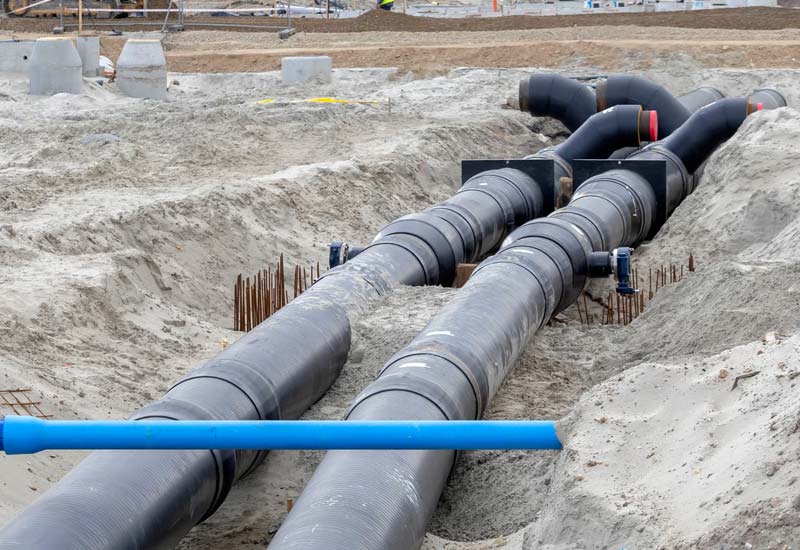
Why a rigid support may not work
Hot piping can move vertically enough for a rigid rest to lift off or attract excessive load. A spring maintains support through movement.
Selection begins with calculated hot load and vertical travel. If why a rigid support may not work produces a deviation, describe the exact Spring Support & Hanger condition and affected quantity before proposing repair or use-as-is. Technical approval should address the consequence identified by “a spring maintains support through movement”, not only the commercial or schedule effect.
How a variable spring behaves
A variable spring changes supporting force as the coil moves. The allowable load variation comes from the design criteria.
Use the manufacturer load-travel chart rather than assuming constant force. Inspection evidence for how a variable spring behaves should be traceable to the affected Spring Support & Hanger. Link photographs, reports, gauges, certificates, or drawings to the item or location so that another reviewer can verify why “use the manufacturer load-travel chart rather than assuming constant force” was considered satisfied.
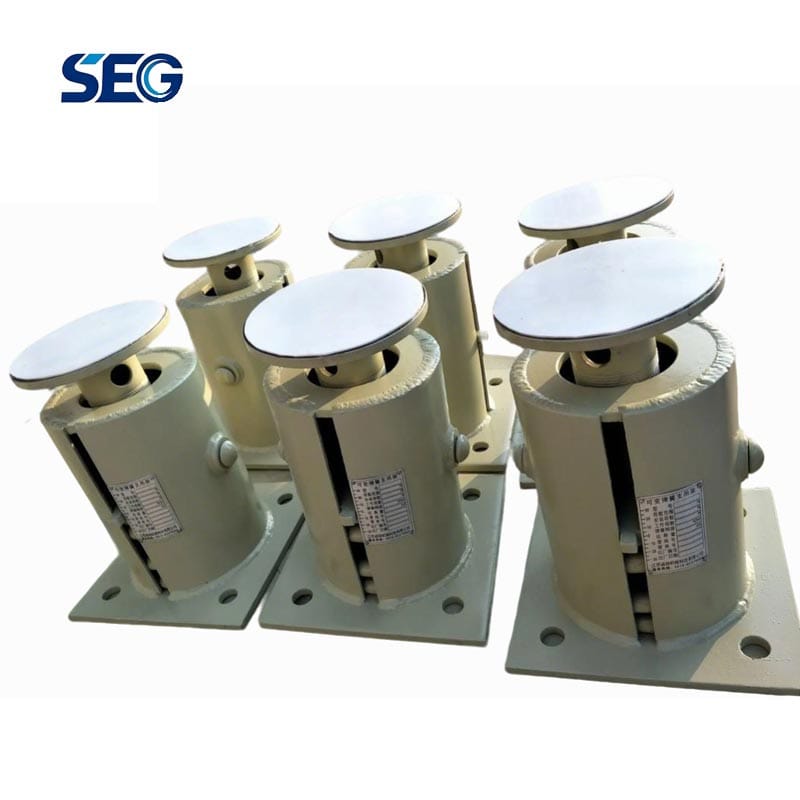
When a constant support is considered
A constant support uses a mechanism intended to keep load nearly uniform through its travel range. It suits cases where variable load change would be unacceptable.
The mechanism needs more space and careful installation checks. Close when a constant support is considered with an explicit status: accepted, rejected, conditionally released, or awaiting information. The final constant vs variable spring hanger file should show approved changes and open actions, preventing an unresolved point about “a constant support uses a mechanism intended to keep load nearly uniform through its travel range” from reaching construction or operation.
Give hot load, cold load, and travel direction
The design schedule should state operating load, installation load, movement, direction, and reserve travel. Confusing upward pipe movement with spring compression produces the wrong setting.
Use one sign convention across documents. For constant vs variable spring hanger, the purpose of this step is to turn “the design schedule should state operating load, installation load, movement, direction, and reserve travel” into a check that can be accepted or rejected. Complete it before Spring Support & Hanger moves beyond give hot load, cold load, and travel direction, and identify the document or measurement that supports the result.
Check variability and reserve travel
Calculate variability from the selected spring data and project limit. Ensure travel remains within the working range for upset and tolerance where specified.
A spring at the end of its range cannot perform its function. The practical risk at check variability and reserve travel is an interface that appears acceptable by itself but fails when assembled. Relate the Spring Support & Hanger finding to the mating pipe, fitting, structure, instrument, coating, or building element affected by “ensure travel remains within the working range for upset and tolerance where specified”.
Set the support for installation
Factory preset pins hold the unit at the cold position during erection. The piping must be aligned and loaded before pins are removed under the approved procedure.
A stuck or loose pin is a commissioning warning. Timing matters here. Evidence for set the support for installation is strongest while the relevant marking, surface, dimension, or connection is visible. For constant vs variable spring hanger, record the item reference, observed condition, and disposition before later work conceals the feature described by “a stuck or loose pin is a commissioning warning”.
Inspect scale, nameplate, and movement
Verify tag, model, load range, travel scale, orientation, rod alignment, and freedom from obstruction. Record cold indication and compare hot indication during commissioning.
Unexpected position can reveal wrong load, friction, or a piping restraint. Keep design and workmanship decisions separate during inspect scale, nameplate, and movement. The approved drawing, data sheet, code, or procedure defines the required Spring Support & Hanger condition; inspection establishes whether the supplied condition meets it. A familiar shop practice cannot replace that comparison.
Plan maintenance access
Springs need room for inspection, adjustment, pin handling, and replacement. Protect the mechanism from corrosion and debris.
Do not conceal the scale behind insulation or structural steel. Review plan maintenance access across normal operation, testing, startup, shutdown, and maintenance where those states are relevant. The constant vs variable spring hanger decision should remain suitable when temperature, load, flow, access, or support conditions change from the installation state.
Standards and Source Documents
Use the edition named by the contract. Primary reference starting points include ASME codes and standards, MSS standards organization, OSHA materials handling, ASTM standards library. Their scopes differ, so a general reference must not be treated as the acceptance criterion for every product or project.
Related Sirgou Resources
Compare the Spring Support & Hanger product page with Pipe Support and Vermiculite Thermal Insulation Pipe Support. For supplier qualification context, read the pipe and fittings supplier guide. These pages support product research; they do not make adjacent products interchangeable.
Frequently Asked Questions
What should be confirmed first? — constant vs variable spring hanger
Hot piping can move vertically enough for a rigid rest to lift off or attract excessive load. Selection begins with calculated hot load and vertical travel. If the project document is more specific, its requirement controls.
Which interface causes the most mistakes? — constant vs variable spring hanger
A constant support uses a mechanism intended to keep load nearly uniform through its travel range. The mechanism needs more space and careful installation checks. If the project document is more specific, its requirement controls.
When should the check be recorded? — constant vs variable spring hanger
Factory preset pins hold the unit at the cold position during erection. A stuck or loose pin is a commissioning warning. If the project document is more specific, its requirement controls.
What belongs in the final acceptance file? — constant vs variable spring hanger
Springs need room for inspection, adjustment, pin handling, and replacement. Do not conceal the scale behind insulation or structural steel. If the project document is more specific, its requirement controls.
Project Takeaway
The constant vs variable spring hanger choice depends on how much supporting-force variation the piping system can tolerate. Use the article as a decision guide, then put the selected values, acceptance evidence, and approved deviations into the controlled project documents. For product-specific questions, contact Sirgou with the service conditions, size range, quantities, standards, and required documentation.