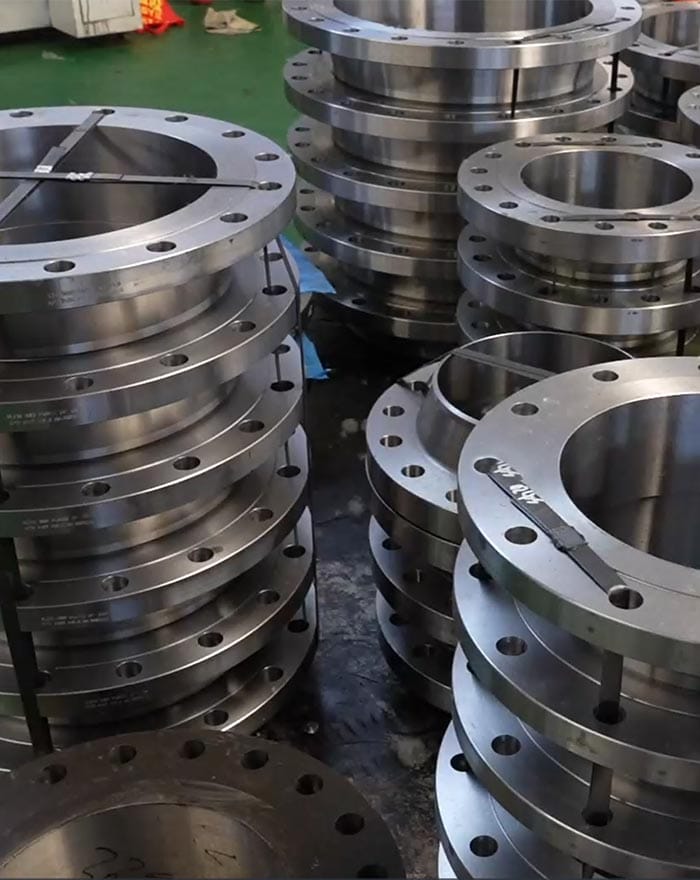
A socket weld flange is a compact small-bore connection in which the pipe enters a recessed socket and receives an external fillet weld. It can simplify alignment and avoid an internal butt-weld root, but the socket crevice, withdrawal gap, fatigue behavior, and inspection limits make it unsuitable for some services. Selection must start with service conditions, not convenience.
Table of Contents
Short Answer
A socket weld flange is a compact small-bore connection in which the pipe enters a recessed socket and receives an external fillet weld. It can simplify alignment and avoid an internal butt-weld root, but the socket crevice, withdrawal gap, fatigue behavior, and inspection limits make it unsuitable for some services. Selection must start with service conditions, not convenience.
Understand the socket geometry
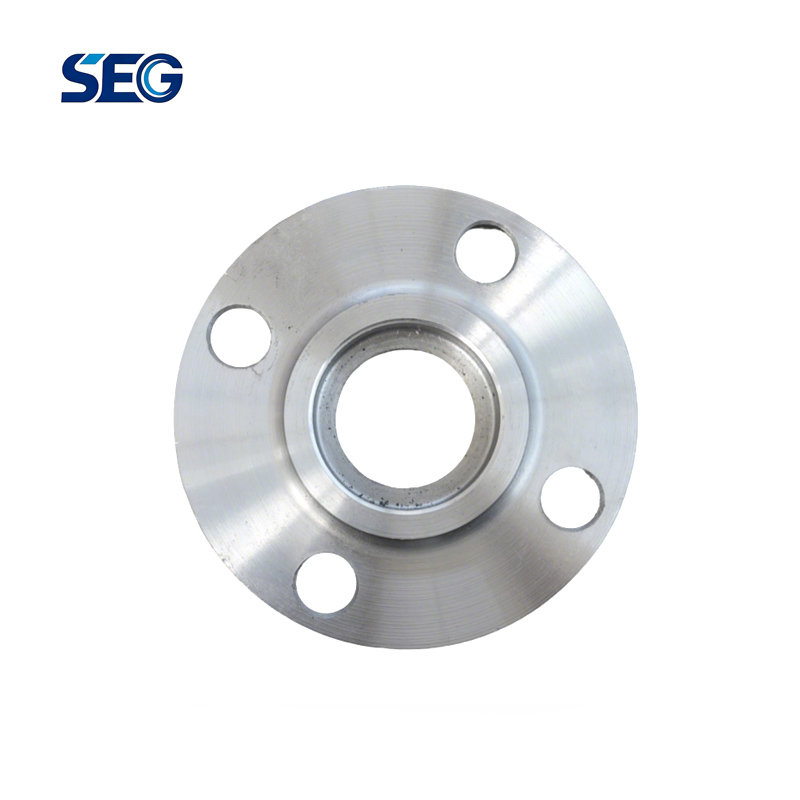
The pipe enters a recessed bore and is joined by an external fillet weld. The bore, socket depth, pipe outside diameter, and flange rating must come from compatible requirements.
Verify the actual component rather than assuming all forged fittings share one geometry. Keep design and workmanship decisions separate during understand the socket geometry. The approved drawing, data sheet, code, or procedure defines the required Socket Weld Flange condition; inspection establishes whether the supplied condition meets it. A familiar shop practice cannot replace that comparison.
Provide the required withdrawal gap
Bottoming the pipe in the socket can restrain thermal expansion during welding. The fabrication procedure should define how the gap is established and verified.
A casual visual estimate after welding is not reliable evidence. Review provide the required withdrawal gap across normal operation, testing, startup, shutdown, and maintenance where those states are relevant. The socket weld flange decision should remain suitable when temperature, load, flow, access, or support conditions change from the installation state.
Keep the pipe end square and clean
An uneven end changes the gap around the circumference. Burrs, heavy coating, dirt, and moisture interfere with fit-up.
Prepare the pipe without reducing wall below the permitted limit. If keep the pipe end square and clean produces a deviation, describe the exact Socket Weld Flange condition and affected quantity before proposing repair or use-as-is. Technical approval should address the consequence identified by “burrs, heavy coating, dirt, and moisture interfere with fit-up”, not only the commercial or schedule effect.
Qualify the fillet weld detail
Leg size, contour, process, filler metal, preheat, and inspection follow the applicable piping rules and procedure. More weld metal is not automatically better.
Avoid excessive heat input or an irregular profile that hides the toe. Inspection evidence for qualify the fillet weld detail should be traceable to the affected Socket Weld Flange. Link photographs, reports, gauges, certificates, or drawings to the item or location so that another reviewer can verify why “avoid excessive heat input or an irregular profile that hides the toe” was considered satisfied.
Screen the service before selection
Socket crevices and fatigue-sensitive or highly cyclic duties require careful engineering review. Corrosion, solids, cleanliness, and leak consequence may make another joint preferable.
Do not select the flange only because it is compact. Close screen the service before selection with an explicit status: accepted, rejected, conditionally released, or awaiting information. The final socket weld flange file should show approved changes and open actions, preventing an unresolved point about “socket crevices and fatigue-sensitive or highly cyclic duties require careful engineering review” from reaching construction or operation.
Match rating, material, and bore
Pressure class alone does not define allowable service. Check material group, temperature, mating flange, gasket, bolting, and pipe bore.
A large internal step can disturb flow or trap deposits. For socket weld flange, the purpose of this step is to turn “pressure class alone does not define allowable service” into a check that can be accepted or rejected. Complete it before Socket Weld Flange moves beyond match rating, material, and bore, and identify the document or measurement that supports the result.
Inspect what can still be observed
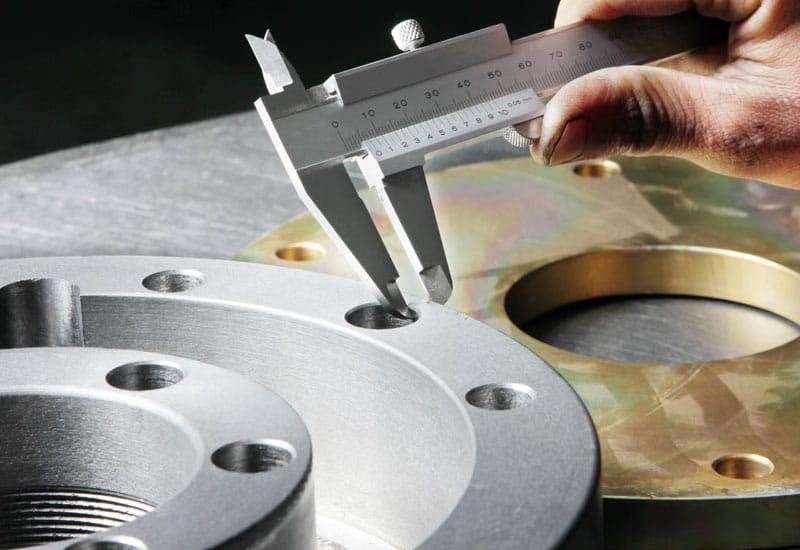
Before welding, record insertion and gap; after welding, examine accessible surfaces and required dimensions. Use the specified NDE method and acceptance criteria.
Do not claim internal root inspection when the geometry prevents it. The practical risk at inspect what can still be observed is an interface that appears acceptable by itself but fails when assembled. Relate the Socket Weld Flange finding to the mating pipe, fitting, structure, instrument, coating, or building element affected by “use the specified nde method and acceptance criteria”.
Avoid common fabrication shortcuts
Do not use the weld to pull a misaligned pipe into position. Do not substitute a threaded flange or fitting without approval.
Keep flange faces protected and confirm bolt-hole orientation before final welding. Timing matters here. Evidence for avoid common fabrication shortcuts is strongest while the relevant marking, surface, dimension, or connection is visible. For socket weld flange, record the item reference, observed condition, and disposition before later work conceals the feature described by “keep flange faces protected and confirm bolt-hole orientation before final welding”.
Standards and Source Documents
Use the edition named by the contract. Primary reference starting points include ASME B16 standards overview, ASME bolted flange training outline, ASTM standards library, ISO standards catalogue. Their scopes differ, so a general reference must not be treated as the acceptance criterion for every product or project.
Related Sirgou Resources
Compare the Socket Weld Flange product page with Threaded Flange and Weld Neck Flange. For supplier qualification context, read the pipe and fittings supplier guide. These pages support product research; they do not make adjacent products interchangeable.
Frequently Asked Questions
What should be confirmed first? — socket weld flange
The pipe enters a recessed bore and is joined by an external fillet weld. Verify the actual component rather than assuming all forged fittings share one geometry. If the project document is more specific, its requirement controls.
Which interface causes the most mistakes? — socket weld flange
An uneven end changes the gap around the circumference. Prepare the pipe without reducing wall below the permitted limit. If the project document is more specific, its requirement controls.
When should the check be recorded? — socket weld flange
Pressure class alone does not define allowable service. A large internal step can disturb flow or trap deposits. If the project document is more specific, its requirement controls.
What belongs in the final acceptance file? — socket weld flange
Do not use the weld to pull a misaligned pipe into position. Keep flange faces protected and confirm bolt-hole orientation before final welding. If the project document is more specific, its requirement controls.
Before closing qualify the fillet weld detail, connect the requirement “Leg size, contour, process, filler metal, preheat, and inspection follow the applicable piping rules and procedure” with the action “Avoid excessive heat input or an irregular profile that hides the toe”. In this socket weld flange review, that connection identifies what was checked, why it matters to Socket Weld Flange, and which project record carries the final answer.
Project Takeaway
A socket weld flange is a compact small-bore connection in which the pipe enters a recessed socket and receives an external fillet weld. Use the article as a decision guide, then put the selected values, acceptance evidence, and approved deviations into the controlled project documents. For product-specific questions, contact Sirgou with the service conditions, size range, quantities, standards, and required documentation.