Table of Contents
A seamless steel pipe is widely used in industrial pipeline systems because it is produced without a welded seam and can support demanding pressure, temperature, and fluid transportation requirements. For buyers, however, choosing a seamless steel pipe is not simply a matter of selecting a diameter. The final order should reflect the medium, pressure, temperature, wall thickness, material grade, standard, inspection requirement, and project documentation needs.
This guide is written for contractors, distributors, EPC teams, and industrial buyers who need a practical selection process. It explains what to check before ordering seamless steel pipe, how to compare related pipe products, and what information should be included in an RFQ. The goal is to help buyers avoid vague specifications and reduce the risk of receiving pipe that does not match the actual project conditions.
Define the Service Conditions Before Choosing Pipe
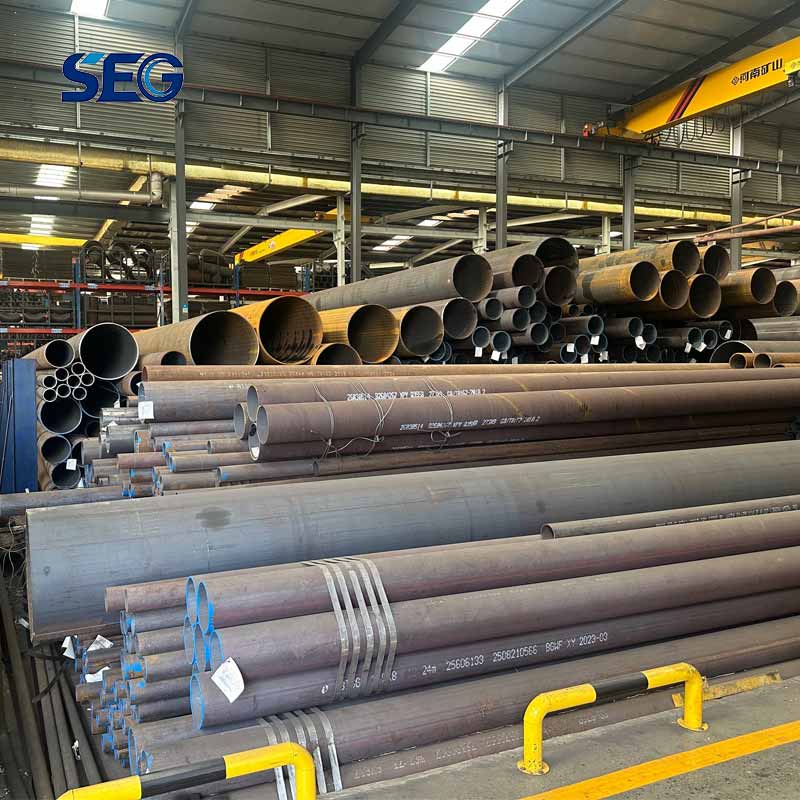
Before choosing seamless steel pipe, define the working conditions of the line. The pipe may carry oil, gas, water, steam, chemicals, compressed air, or other industrial fluids. Each service condition can affect material choice, wall thickness, coating, testing, and documentation. A pipe selected for general water transport may not be suitable for higher temperature service or corrosive media.
Pressure and temperature should be reviewed together. A seamless steel pipe may be selected for strength and uniform structure, but the exact wall thickness and material grade must still follow the design requirement. Buyers should not replace a specified pipe grade with a convenient alternative unless the project engineer approves it.
Application also matters. Sirgou supplies steel pipe products for oil and gas, water supply, drainage, chemical fluid delivery, construction, infrastructure, and engineering pipeline projects. If the order includes pipe fittings, the industrial pipe fittings package should be reviewed at the same time to make sure pipe, reducers, elbows, tees, and flanges match the specification.
Check Material Grade and Manufacturing Standard
Material grade is one of the most important parts of a seamless steel pipe inquiry. Common directions include carbon steel, stainless steel, alloy steel, duplex steel, and low-temperature steel, depending on project requirements. Each option has a different role. Carbon steel is widely used in many industrial lines. Stainless steel may be chosen when corrosion resistance is important. Alloy steel may be required for higher temperature or more demanding operating conditions.
The applicable standard should also be stated clearly. Buyers may reference API Specification 5L for line pipe context, ASME codes and standards for pressure-related engineering, ASTM International for material and testing standards, and ISO/TC 5 for ferrous metal pipes and metallic fittings. The exact standard depends on the project document, buyer market, and engineering requirement.
A seamless steel pipe order should avoid unclear phrases such as standard material or normal thickness. The inquiry should identify the material grade, standard, size range, schedule or wall thickness, length, end preparation, inspection needs, and whether additional coating or marking is required.
Review Wall Thickness, Size, and End Preparation
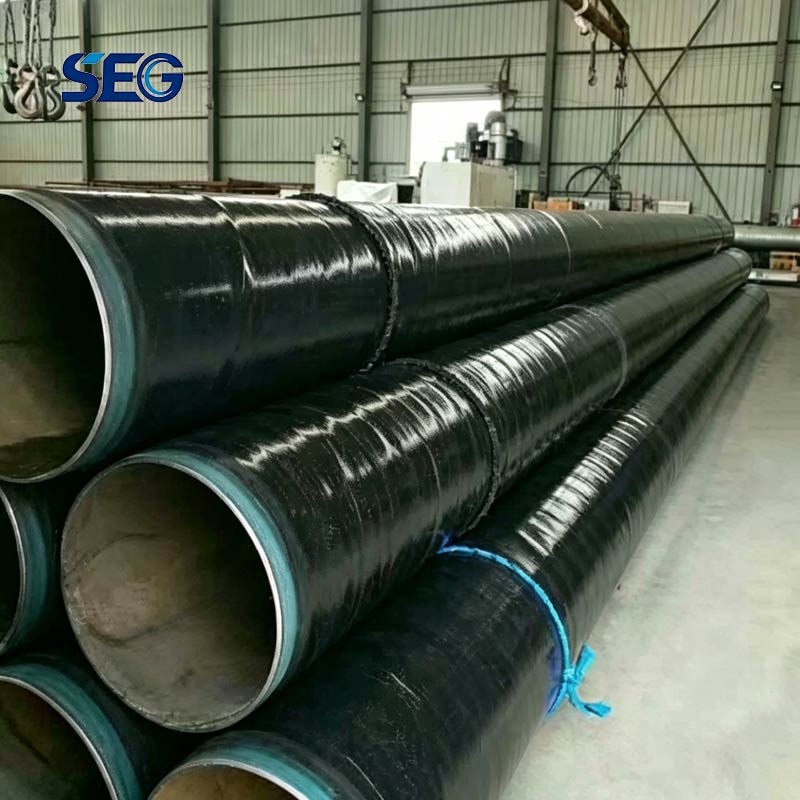
Wall thickness directly affects pressure capacity, weight, welding preparation, and cost control. Buyers should confirm whether the project uses pipe schedule, exact wall thickness, or another dimensional system. A seamless steel pipe with the correct outside diameter but wrong wall thickness may create welding, pressure, or fit-up problems during installation.
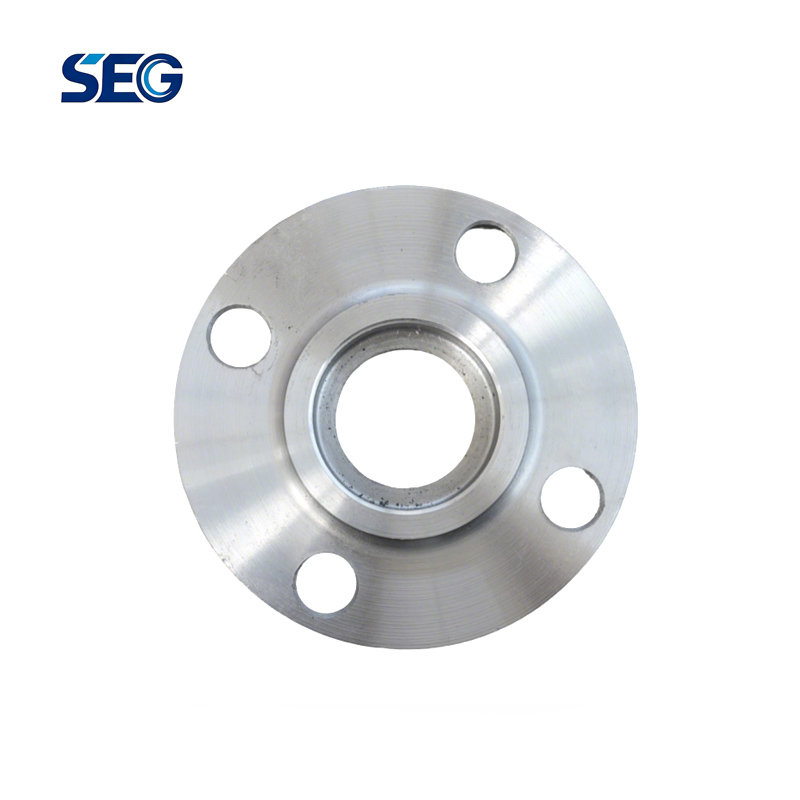
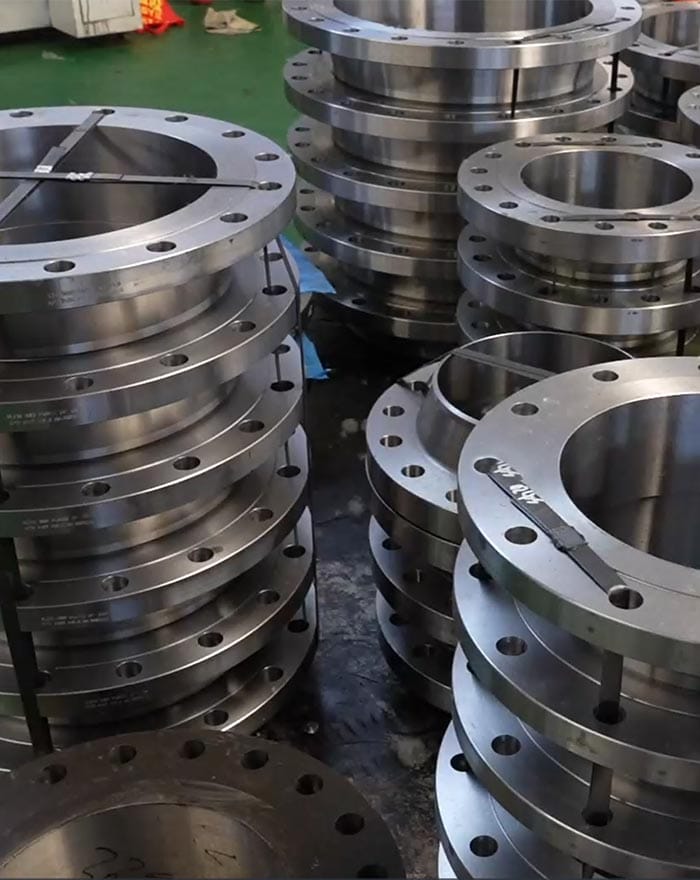
End preparation is another practical detail. Some orders require plain ends, beveled ends, threaded ends, or other preparation depending on the connection method. If the pipe will be welded to elbows, reducers, tees, or flanges, the end condition should be coordinated with the fittings. For mixed orders, buyers can review Sirgou products such as 90 degree seamless elbow, concentric reducer, and weld neck flange.
Length tolerance, straightness, surface condition, packing method, and marking also need attention. These details are easy to overlook during quotation but can become important when the goods arrive at site or warehouse.
| Specification Item | What Buyers Should Confirm |
|---|---|
| Size | Outside diameter, nominal size, and required length. |
| Wall thickness | Schedule or exact wall thickness from the project specification. |
| Material | Carbon steel, stainless steel, alloy steel, duplex steel, or low-temperature steel. |
| End preparation | Plain, beveled, threaded, or project-specific end condition. |
Compare Seamless Pipe With Coated and Spiral Options
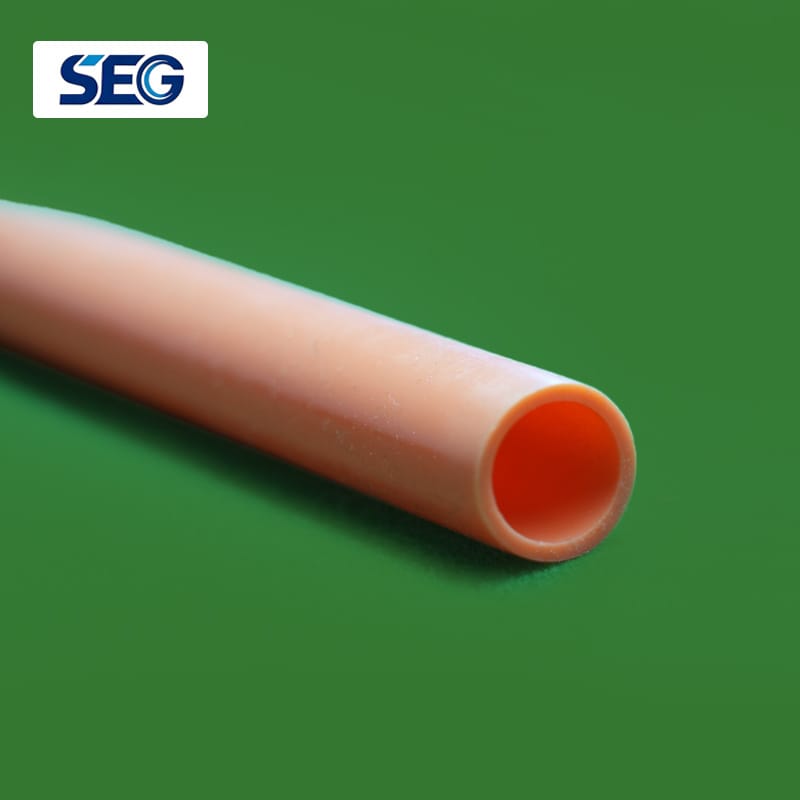
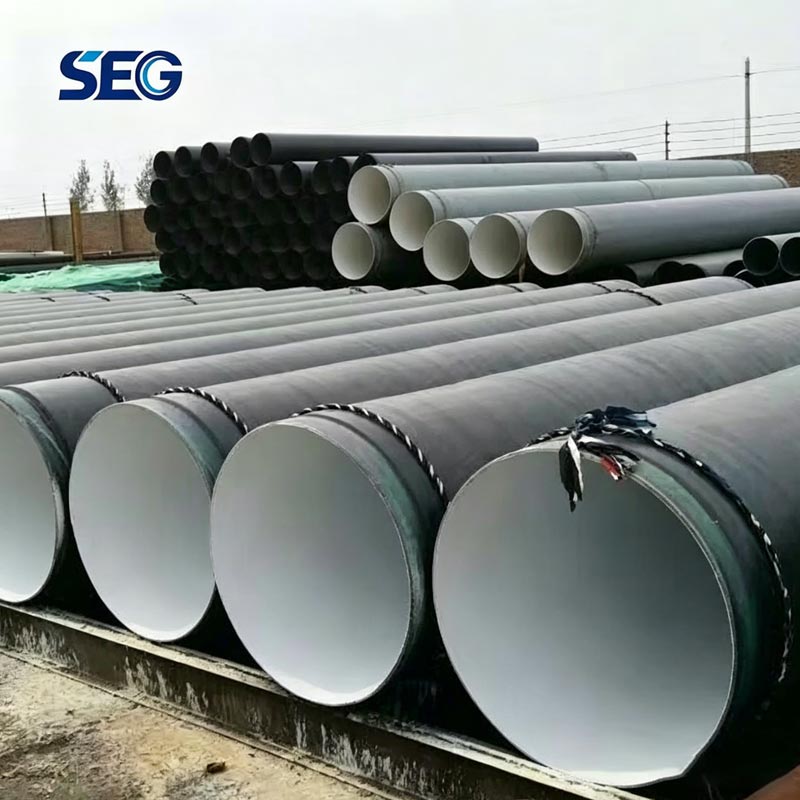
A seamless steel pipe is not the only steel pipe product used in industrial projects. Depending on service conditions, buyers may also consider 3PE steel pipe, spiral steel pipe, plastic coated steel pipe, or prefabricated steel pipe. Each product direction serves a different project need.
3PE steel pipe is often considered where external corrosion protection is important. Spiral steel pipe may be used in larger diameter transportation lines or infrastructure systems, depending on the project requirement. Plastic coated steel pipe may be selected where internal or external coating performance is needed. A seamless steel pipe may be preferred when the project requires seamless construction, specific pressure service, or certain industrial applications.
The selection should follow the engineering design rather than a general preference. If a buyer is not sure whether seamless steel pipe or another steel pipe type is more suitable, the RFQ should describe the medium, pressure, temperature, environment, coating expectation, standard, and installation condition.
Plan Inspection, Marking, and Export Documentation
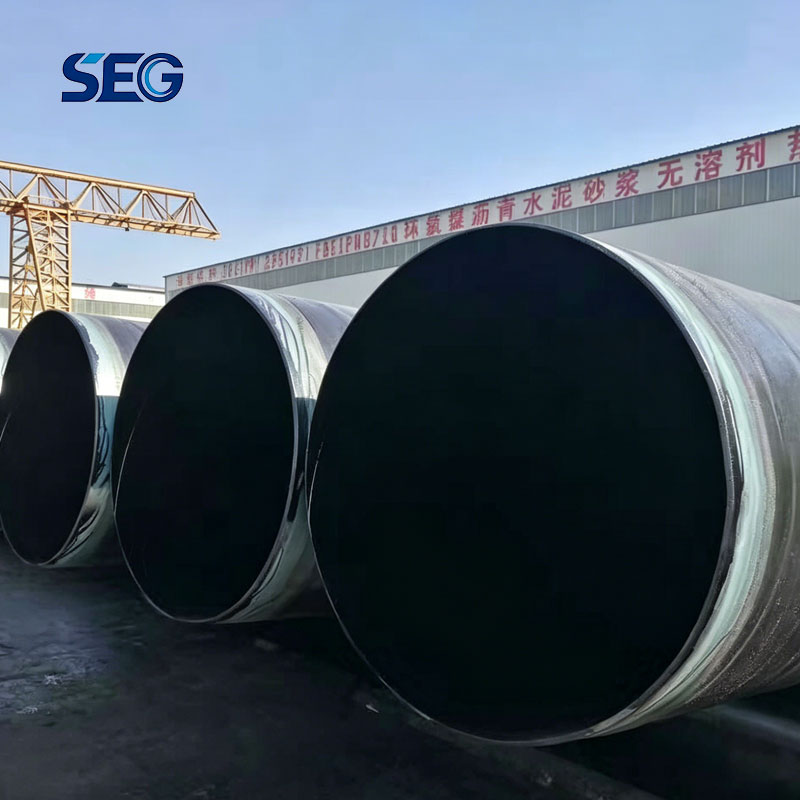
Inspection and documentation are important for industrial pipe procurement. Buyers may need material information, dimensional inspection, surface checks, marking confirmation, packing details, and shipment records. For some projects, additional testing or third-party inspection may be required by the specification. These requirements should be discussed before production.
Marking should be clear enough for warehouse handling and site installation. A seamless steel pipe order may include size, standard, material grade, heat number, batch details, or other project marks. Export packaging should protect the pipe during handling and transport while keeping product identification readable.
For more background on supplier evaluation, the article How to Choose a Steel Pipe Fittings Supplier explains why inspection discipline, export support, and communication quality matter in industrial procurement. The same principles apply when sourcing seamless steel pipe and related pipeline components.
Common Procurement Mistakes
One common mistake is ordering seamless steel pipe with an incomplete specification. A buyer may provide only diameter and quantity, leaving material grade, wall thickness, end preparation, and standard unclear. This slows quotation and increases the chance of mismatch.
Another mistake is ignoring the connected components. Pipe does not work alone. It connects to elbows, reducers, tees, flanges, valves, supports, and equipment. If the pipe schedule does not match the fittings or the end preparation is inconsistent, installation can become more difficult.
Buyers should also avoid assuming that all steel pipe options are interchangeable. A seamless steel pipe, 3PE steel pipe, spiral steel pipe, and plastic coated steel pipe may all belong to the steel pipe category, but they are not the same product. Each should be selected according to the project service and specification.
RFQ Checklist for Seamless Steel Pipe
A complete RFQ helps the supplier understand the project and respond accurately. When requesting a seamless steel pipe quotation, include the following details whenever available:
- Pipe size, wall thickness or schedule, and length.
- Material grade and applicable standard.
- Medium, pressure, temperature, and service environment.
- End preparation and connection method.
- Coating, painting, or surface treatment requirement.
- Inspection, testing, marking, and documentation needs.
- Packing method, shipping destination, and delivery schedule.
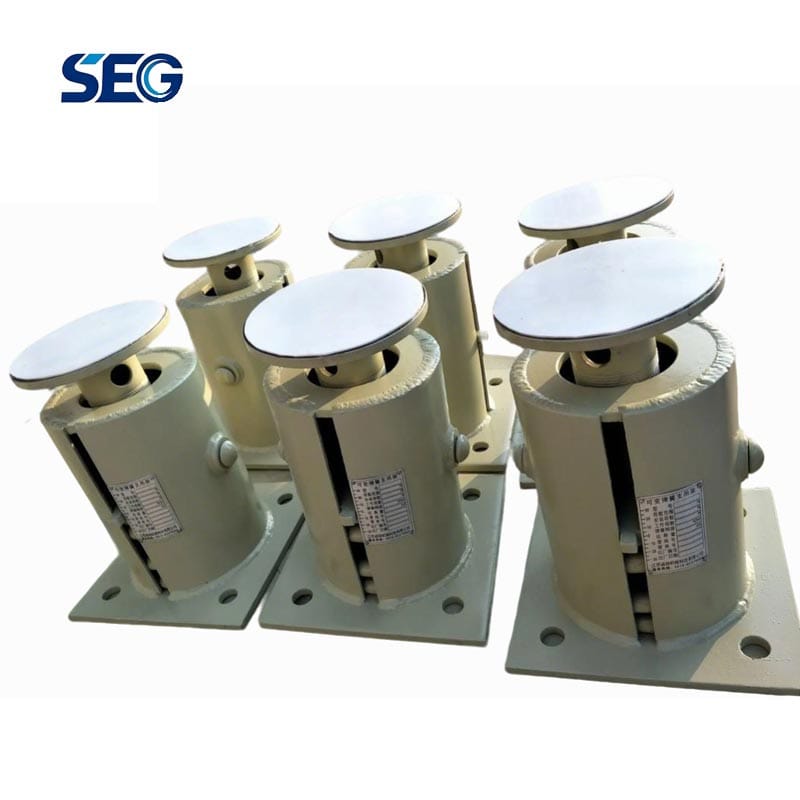
- Related products such as elbows, reducers, tees, flanges, or pipe supports.
If the project includes a mixed pipeline package, send the full list instead of separate inquiries. Sirgou can support steel pipes, flanges, reducers, elbows, tees, pipe supports, and other pipeline products through its service process. A complete list helps identify compatibility issues earlier.
Final Takeaway
Choosing seamless steel pipe requires more than matching a size. Buyers should confirm material grade, standard, wall thickness, service condition, end preparation, inspection requirements, and related fittings. A clear specification helps reduce delays, avoids incorrect quotations, and supports smoother installation.
If you need seamless steel pipe or a combined steel pipe and fitting package, you can contact Sirgou with your drawings, standards, quantity, material requirements, and project conditions. The more complete the inquiry, the easier it is to recommend a suitable seamless steel pipe for industrial pipeline work.