Pipe receiving inspection should confirm that the delivered quantity is identifiable, documented, undamaged, dimensionally suitable at critical interfaces, and preserved for storage. The inspection begins before unloading with the purchase documents and handling plan, then follows the material through counting, traceability, condition checks, quarantine, storage, and nonconformity closure.
This guide keeps the scope on Prefabricated Steel Pipe and the decision promised by the title. It does not replace the governing code, project specification, manufacturer instructions, or an engineering review of the actual service.
Table of Contents
At a Glance
- Prepare before the vehicle arrives
- Count by identifiable item
- Reconcile markings with records
- Inspect transport condition
- Use dimensional checks selectively
- Separate document gaps from physical defects
- Store by material needs
- Close nonconformities visibly
Prepare before the vehicle arrives
Review purchase order, packing list, drawings, release note, and special handling instructions. Arrange safe unloading equipment and quarantine space.
Receiving inspection should not begin with an unopened email search. Timing matters here. Evidence for prepare before the vehicle arrives is strongest while the relevant marking, surface, dimension, or connection is visible. For pipe receiving inspection, record the item reference, observed condition, and disposition before later work conceals the feature described by “receiving inspection should not begin with an unopened email search”.
Count by identifiable item
Separate loose fittings, bundled pipe, spools, supports, and accessories. Use tags, heat numbers, spool numbers, or batch marks as required.
Record shortages and overages before signing custody documents. Keep design and workmanship decisions separate during count by identifiable item. The approved drawing, data sheet, code, or procedure defines the required Prefabricated Steel Pipe condition; inspection establishes whether the supplied condition meets it. A familiar shop practice cannot replace that comparison.
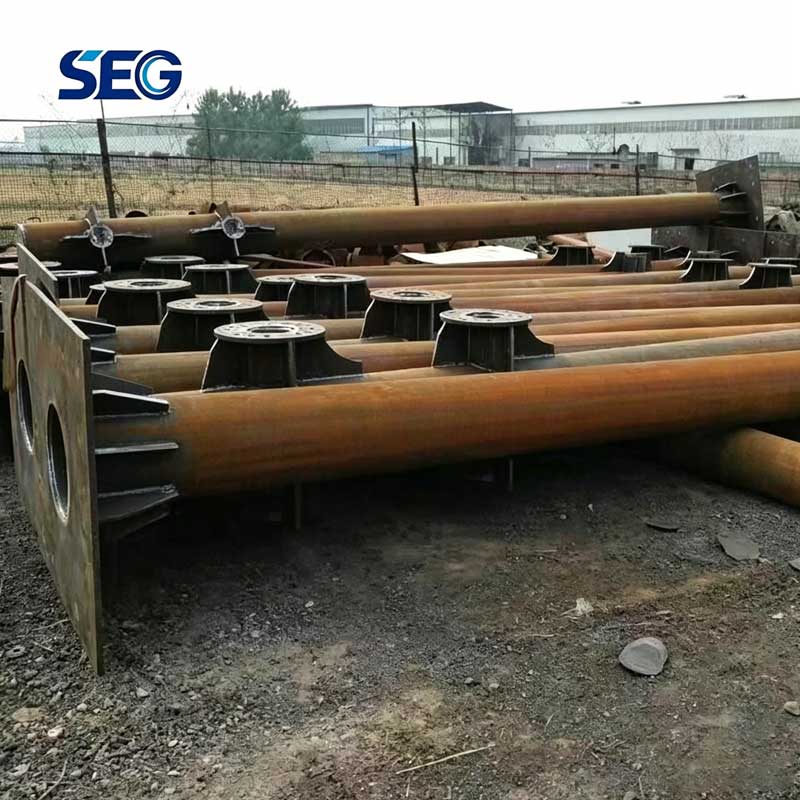
Reconcile markings with records
Check size, wall or class, material, standard, manufacturer, traceability, and item number. Resolve illegible or conflicting marks.
Do not distribute unidentified components to fabrication. Review reconcile markings with records across normal operation, testing, startup, shutdown, and maintenance where those states are relevant. The pipe receiving inspection decision should remain suitable when temperature, load, flow, access, or support conditions change from the installation state.
Inspect transport condition
Look for dents, bent branches, coating damage, wet packaging, shifted loads, flange-face damage, and missing caps. Photograph defects before unloading changes the scene.
Identify the carrier and delivery reference. If inspect transport condition produces a deviation, describe the exact Prefabricated Steel Pipe condition and affected quantity before proposing repair or use-as-is. Technical approval should address the consequence identified by “photograph defects before unloading changes the scene”, not only the commercial or schedule effect.
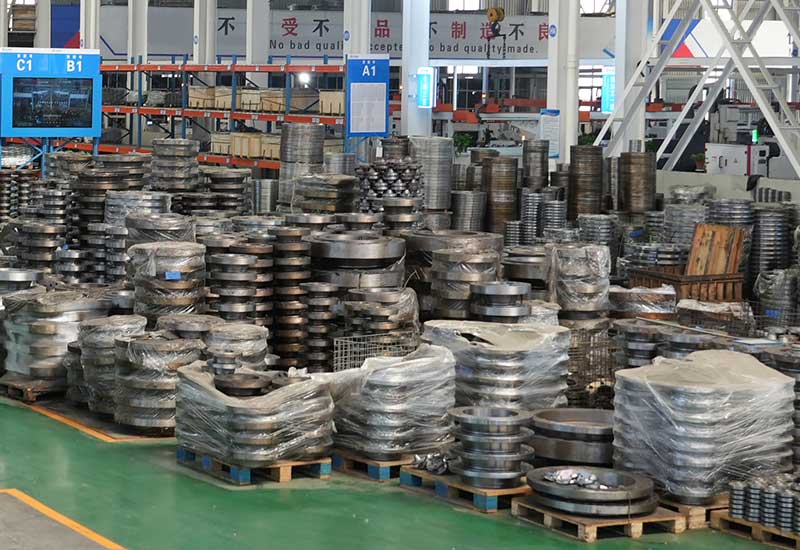
Use dimensional checks selectively
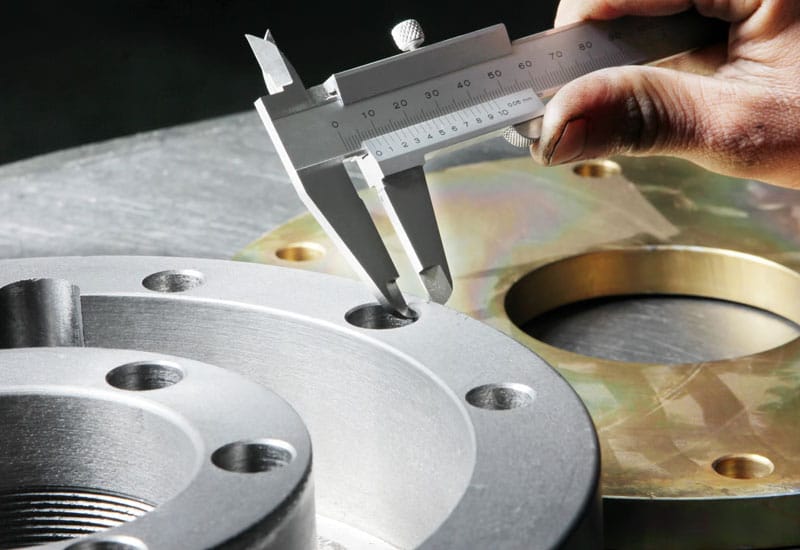
Measure critical interfaces, spool geometry, flange faces, bevels, and items with visible damage. Receiving inspection need not repeat every factory test.
Base the sample and acceptance on the contract and risk. Inspection evidence for use dimensional checks selectively should be traceable to the affected Prefabricated Steel Pipe. Link photographs, reports, gauges, certificates, or drawings to the item or location so that another reviewer can verify why “base the sample and acceptance on the contract and risk” was considered satisfied.
Separate document gaps from physical defects
A sound item with missing certification and a damaged item with complete papers need different actions. Use clear status labels.
Prevent both from entering unrestricted stock. Close separate document gaps from physical defects with an explicit status: accepted, rejected, conditionally released, or awaiting information. The final pipe receiving inspection file should show approved changes and open actions, preventing an unresolved point about “a sound item with missing certification and a damaged item with complete papers need different actions” from reaching construction or operation.

Store by material needs
Keep pipe supported, flanges faced, stainless materials protected from contamination, coatings off sharp dunnage, and polymers protected as specified. Maintain drainage and identification.
Preservation continues after receipt. For pipe receiving inspection, the purpose of this step is to turn “keep pipe supported, flanges faced, stainless materials protected from contamination, coatings off sharp dunnage, and polymers protected as specified” into a check that can be accepted or rejected. Complete it before Prefabricated Steel Pipe moves beyond store by material needs, and identify the document or measurement that supports the result.
Close nonconformities visibly
Describe the requirement, evidence, affected quantity, location, and proposed disposition. Track concession, repair, replacement, or return.
Update inventory only after the final decision. The practical risk at close nonconformities visibly is an interface that appears acceptable by itself but fails when assembled. Relate the Prefabricated Steel Pipe finding to the mating pipe, fitting, structure, instrument, coating, or building element affected by “track concession, repair, replacement, or return”.
Standards and Source Documents
Use the edition named by the contract. Primary reference starting points include ASME codes and standards, ASTM standards library, ISO standards catalogue, OSHA materials handling. Their scopes differ, so a general reference must not be treated as the acceptance criterion for every product or project.
Related Sirgou Resources
Compare the Prefabricated Steel Pipe product page with 3Pe Steel Pipe and Pipe Support. For supplier qualification context, read the pipe and fittings supplier guide. These pages support product research; they do not make adjacent products interchangeable.
Frequently Asked Questions
What should be confirmed first? — pipe receiving inspection
Review purchase order, packing list, drawings, release note, and special handling instructions. Receiving inspection should not begin with an unopened email search. If the project document is more specific, its requirement controls.
Which interface causes the most mistakes? — pipe receiving inspection
Check size, wall or class, material, standard, manufacturer, traceability, and item number. Do not distribute unidentified components to fabrication. If the project document is more specific, its requirement controls.
When should the check be recorded? — pipe receiving inspection
A sound item with missing certification and a damaged item with complete papers need different actions. Prevent both from entering unrestricted stock. If the project document is more specific, its requirement controls.
What belongs in the final acceptance file? — pipe receiving inspection
Describe the requirement, evidence, affected quantity, location, and proposed disposition. Update inventory only after the final decision. If the project document is more specific, its requirement controls.
Before closing reconcile markings with records, connect the requirement “Check size, wall or class, material, standard, manufacturer, traceability, and item number” with the action “Do not distribute unidentified components to fabrication”. In this pipe receiving inspection review, that connection identifies what was checked, why it matters to Prefabricated Steel Pipe, and which project record carries the final answer.
Before closing inspect transport condition, connect the requirement “Look for dents, bent branches, coating damage, wet packaging, shifted loads, flange-face damage, and missing caps” with the action “Identify the carrier and delivery reference”. In this pipe receiving inspection review, that connection identifies what was checked, why it matters to Prefabricated Steel Pipe, and which project record carries the final answer.
Project Takeaway
Pipe receiving inspection should confirm that the delivered quantity is identifiable, documented, undamaged, dimensionally suitable at critical interfaces, and preserved for storage. Use the article as a decision guide, then put the selected values, acceptance evidence, and approved deviations into the controlled project documents. For product-specific questions, contact Sirgou with the service conditions, size range, quantities, standards, and required documentation.