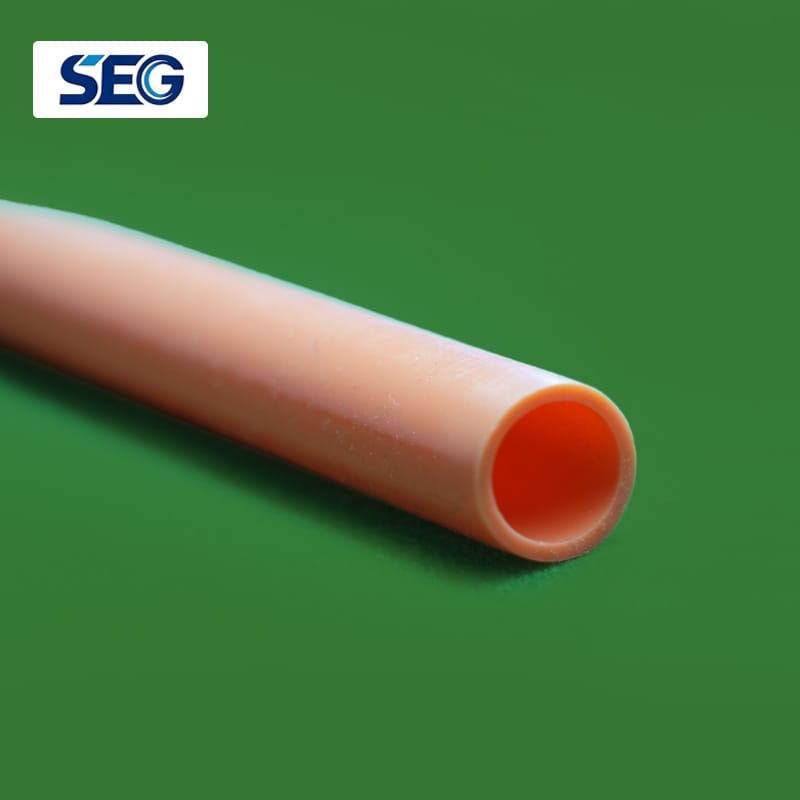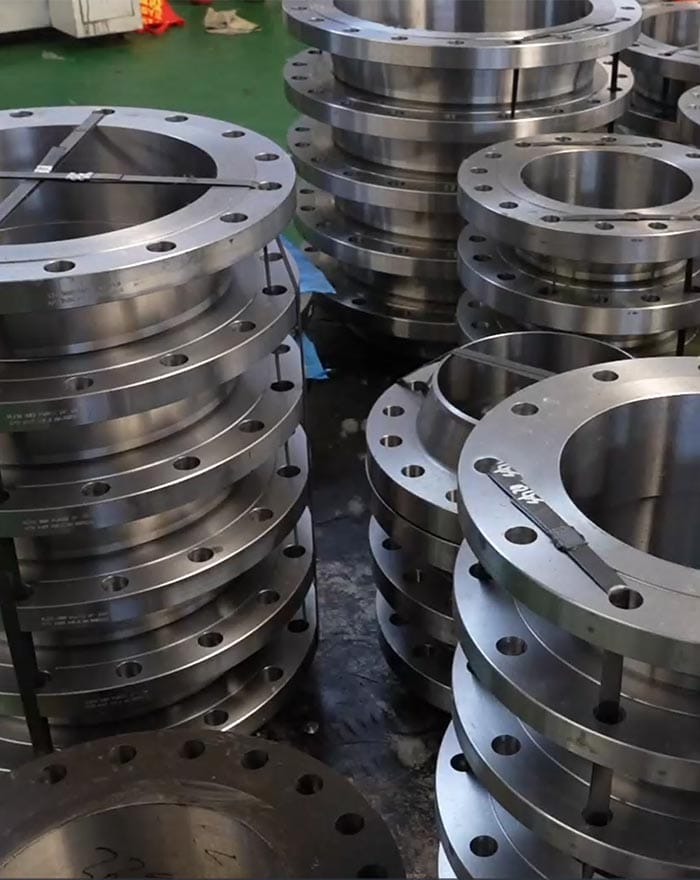
PE-RT pipe is polyethylene of raised temperature resistance, a flexible thermoplastic piping material used in applications such as radiant floor heating and some hot- and cold-water systems. Unlike PEX, it is not crosslinked. Its suitability depends on the specific material class, temperature-pressure rating, oxygen-barrier requirement, joint system, bend limits, and local approval.
Table of Contents
Short Answer
PE-RT pipe is polyethylene of raised temperature resistance, a flexible thermoplastic piping material used in applications such as radiant floor heating and some hot- and cold-water systems. Unlike PEX, it is not crosslinked. Its suitability depends on the specific material class, temperature-pressure rating, oxygen-barrier requirement, joint system, bend limits, and local approval.
What PE-RT means
PE-RT is polyethylene of raised temperature resistance, a non-crosslinked thermoplastic engineered for elevated-temperature piping service. Its classification and long-term strength data come from the applicable material and piping standards.
Do not treat every flexible polyethylene tube as PE-RT without product identification. If what pe-rt means produces a deviation, describe the exact White PE-RT Underfloor Heating Pipe condition and affected quantity before proposing repair or use-as-is. Technical approval should address the consequence identified by “its classification and long-term strength data come from the applicable material and piping standards”, not only the commercial or schedule effect.
Where PE-RT pipe is used
Common applications include hydronic radiant heating and approved hot- and cold-water distribution systems. Use depends on local approval, product certification, fluid, temperature, pressure, and the complete joint system.
Match the product to the intended application rather than selecting it by color. Inspection evidence for where pe-rt pipe is used should be traceable to the affected White PE-RT Underfloor Heating Pipe. Link photographs, reports, gauges, certificates, or drawings to the item or location so that another reviewer can verify why “match the product to the intended application rather than selecting it by color” was considered satisfied.
PE-RT pipe compared with PEX
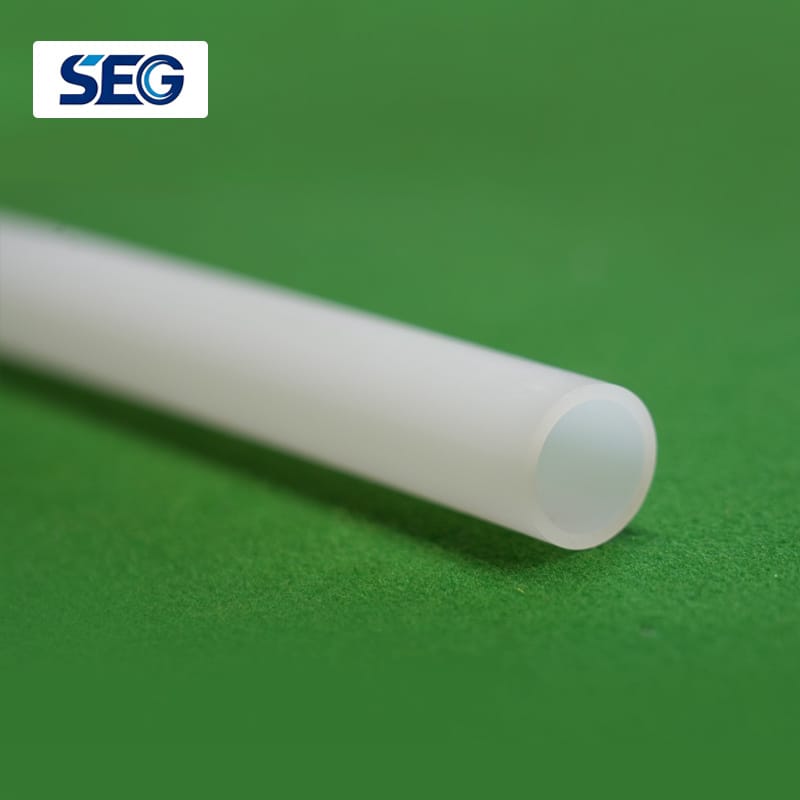
PE-RT remains thermoplastic and is not crosslinked, while PEX gains its designation through a crosslinking process. Both material families include products for radiant systems, but ratings, joining methods, dimensions, and approvals are product-specific.
Compare verified system data instead of assuming one label is universally superior. Close pe-rt pipe compared with pex with an explicit status: accepted, rejected, conditionally released, or awaiting information. The final PE-RT pipe file should show approved changes and open actions, preventing an unresolved point about “pe-rt remains thermoplastic and is not crosslinked, while pex gains its designation through a crosslinking process” from reaching construction or operation.
Temperature and pressure limits
Allowable duty depends on temperature, pressure, time, material class, pipe dimension, and design factor. A nominal or cold-water pressure label does not by itself establish suitability for continuous heating service.
Use the declared temperature-pressure relationship for the intended service life. For PE-RT pipe, the purpose of this step is to turn “allowable duty depends on temperature, pressure, time, material class, pipe dimension, and design factor” into a check that can be accepted or rejected. Complete it before White PE-RT Underfloor Heating Pipe moves beyond temperature and pressure limits, and identify the document or measurement that supports the result.
Oxygen barrier requirements
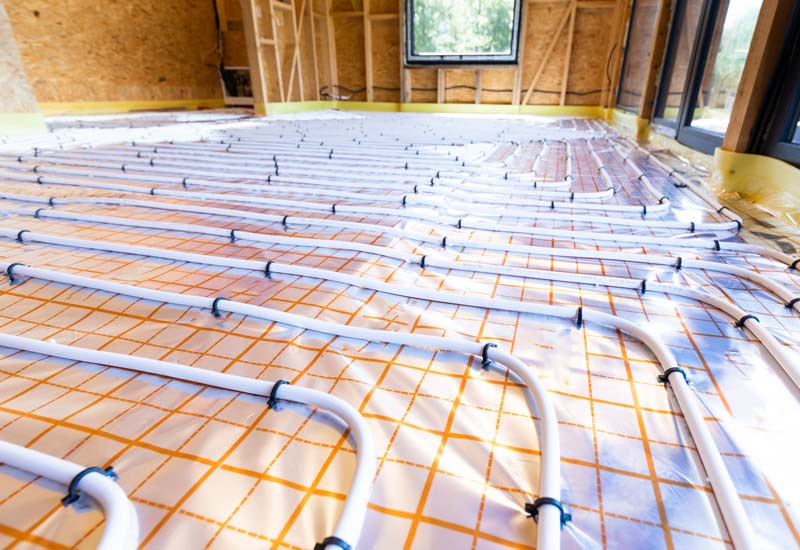
Closed hydronic systems that contain ferrous components may require control of oxygen diffusion through plastic pipe. Barrier construction and system-water treatment should be coordinated with the heating-system design.
Confirm whether the specified PE-RT pipe includes the required barrier and how it is protected. The practical risk at oxygen barrier requirements is an interface that appears acceptable by itself but fails when assembled. Relate the White PE-RT Underfloor Heating Pipe finding to the mating pipe, fitting, structure, instrument, coating, or building element affected by “barrier construction and system-water treatment should be coordinated with the heating-system design”.
Fittings and connection systems
PE-RT pipe must be paired with fittings, sleeves, manifolds, and tools approved for that pipe dimension and system. A connector that fits physically may still use the wrong support, insertion depth, or assembly method.
Follow the complete system instructions and keep concealed joints out of floor loops where required. Timing matters here. Evidence for fittings and connection systems is strongest while the relevant marking, surface, dimension, or connection is visible. For PE-RT pipe, record the item reference, observed condition, and disposition before later work conceals the feature described by “follow the complete system instructions and keep concealed joints out of floor loops where required”.

Installation benefits and limitations
Flexibility supports long continuous loops and reduces the number of concealed connections. The same flexibility requires bend-radius control, secure fixing, protection from sharp edges, and allowance for thermal movement.
Pressure-test the circuits before concealment and preserve an accurate loop layout. Keep design and workmanship decisions separate during installation benefits and limitations. The approved drawing, data sheet, code, or procedure defines the required White PE-RT Underfloor Heating Pipe condition; inspection establishes whether the supplied condition meets it. A familiar shop practice cannot replace that comparison.
What buyers should specify
State material designation, size, wall or dimensional series, application class, temperature-pressure duty, barrier requirement, joint system, standards, markings, test documents, and coil packaging. These details let bidders offer comparable PE-RT pipe systems.
Resolve substitutions through technical review before ordering. Review what buyers should specify across normal operation, testing, startup, shutdown, and maintenance where those states are relevant. The PE-RT pipe decision should remain suitable when temperature, load, flow, access, or support conditions change from the installation state.
Standards and Source Documents
Use the edition named by the contract. Primary reference starting points include PPI PE-RT resources, PPI radiant systems, ASHRAE technical resources, ISO standards catalogue. Their scopes differ, so a general reference must not be treated as the acceptance criterion for every product or project.
Related Sirgou Resources
Compare the White PE-RT Underfloor Heating Pipe product page with Orange Pe Rt Underfloor Heating Pipe and Graphene Pe Rt Underfloor Heating Pipe. For supplier qualification context, read the pipe and fittings supplier guide. These pages support product research; they do not make adjacent products interchangeable.
Frequently Asked Questions
What should be confirmed first? — PE-RT pipe
PE-RT is polyethylene of raised temperature resistance, a non-crosslinked thermoplastic engineered for elevated-temperature piping service. Do not treat every flexible polyethylene tube as PE-RT without product identification. If the project document is more specific, its requirement controls.
Which interface causes the most mistakes? — PE-RT pipe
PE-RT remains thermoplastic and is not crosslinked, while PEX gains its designation through a crosslinking process. Compare verified system data instead of assuming one label is universally superior. If the project document is more specific, its requirement controls.
When should the check be recorded? — PE-RT pipe
PE-RT pipe must be paired with fittings, sleeves, manifolds, and tools approved for that pipe dimension and system. Follow the complete system instructions and keep concealed joints out of floor loops where required. If the project document is more specific, its requirement controls.
What belongs in the final acceptance file? — PE-RT pipe
State material designation, size, wall or dimensional series, application class, temperature-pressure duty, barrier requirement, joint system, standards, markings, test documents, and coil packaging. Resolve substitutions through technical review before ordering. If the project document is more specific, its requirement controls.
Project Takeaway
PE-RT pipe is polyethylene of raised temperature resistance, a flexible thermoplastic piping material used in applications such as radiant floor heating and some hot- and cold-water systems. Use the article as a decision guide, then put the selected values, acceptance evidence, and approved deviations into the controlled project documents. For product-specific questions, contact Sirgou with the service conditions, size range, quantities, standards, and required documentation.