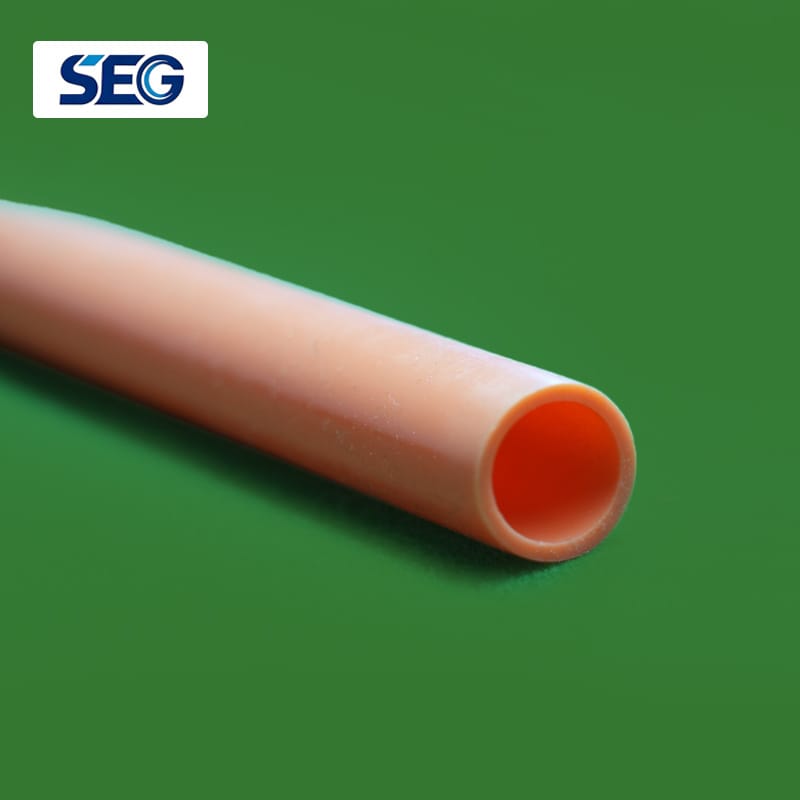
PPR pipe welding is a socket heat-fusion process: the pipe end and fitting socket are heated with matched tools, removed at the specified time, joined straight to the marked depth without twisting, and held until the joint stabilizes. Clean tools, correct temperature, controlled heating, alignment, and full cooling are essential; reheating a bad joint is not an acceptable repair.
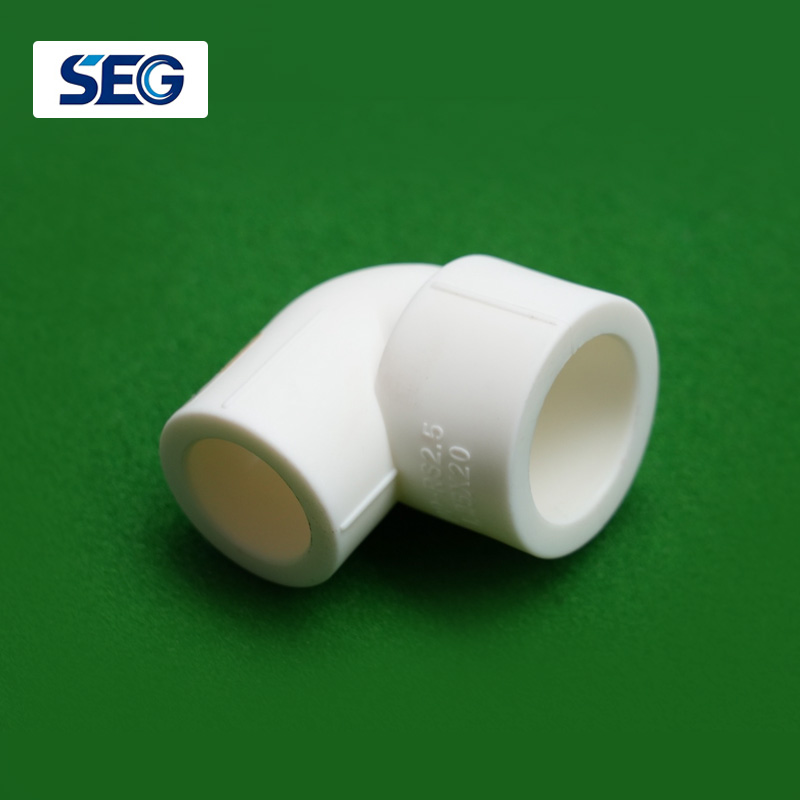
This guide keeps the scope on 90 Degree PPR Elbow and the decision promised by the title. It does not replace the governing code, project specification, manufacturer instructions, or an engineering review of the actual service.
Table of Contents
At a Glance
- Use the correct tool and dies
- Cut square and mark insertion depth
- Keep surfaces clean and dry
- Control heating time by size and conditions
- Join without rotation
- Inspect the fusion bead and bore risk
- Support before pressure testing
- Trace tools and installers
Use the correct tool and dies
Heater temperature, socket dimensions, surface condition, and calibration affect heat transfer. Worn or contaminated dies can distort the joint.
Match equipment to the approved pipe system. Keep design and workmanship decisions separate during use the correct tool and dies. The approved drawing, data sheet, code, or procedure defines the required 90 Degree PPR Elbow condition; inspection establishes whether the supplied condition meets it. A familiar shop practice cannot replace that comparison.
Cut square and mark insertion depth
An angled cut creates uneven engagement. A depth mark helps prevent both shallow insertion and pushing material into the bore.
Remove loose burrs without chamfering unless the procedure requires it. Review cut square and mark insertion depth across normal operation, testing, startup, shutdown, and maintenance where those states are relevant. The PPR pipe welding decision should remain suitable when temperature, load, flow, access, or support conditions change from the installation state.
Keep surfaces clean and dry
Dust, oil, water, and touching hot surfaces can interfere with fusion. Clean according to the system instructions.
Do not use unapproved solvents or flame heating. If keep surfaces clean and dry produces a deviation, describe the exact 90 Degree PPR Elbow condition and affected quantity before proposing repair or use-as-is. Technical approval should address the consequence identified by “clean according to the system instructions”, not only the commercial or schedule effect.
Control heating time by size and conditions
Diameter, wall, ambient temperature, tool condition, and manufacturer procedure determine heating. Underheating can give poor fusion; overheating can narrow the bore.
Use a timer rather than intuition. Inspection evidence for control heating time by size and conditions should be traceable to the affected 90 Degree PPR Elbow. Link photographs, reports, gauges, certificates, or drawings to the item or location so that another reviewer can verify why “use a timer rather than intuition” was considered satisfied.
Join without rotation
Move heated parts together promptly, to the depth mark, on the correct axis. Twisting can disturb the molten interface.
Hold alignment for the specified initial cooling period. Close join without rotation with an explicit status: accepted, rejected, conditionally released, or awaiting information. The final PPR pipe welding file should show approved changes and open actions, preventing an unresolved point about “move heated parts together promptly, to the depth mark, on the correct axis” from reaching construction or operation.
Inspect the fusion bead and bore risk
A uniform external bead supports process control but does not reveal the whole interface. Overinsertion can create internal obstruction.
Use sample cut sections during qualification or troubleshooting. For PPR pipe welding, the purpose of this step is to turn “a uniform external bead supports process control but does not reveal the whole interface” into a check that can be accepted or rejected. Complete it before 90 Degree PPR Elbow moves beyond inspect the fusion bead and bore risk, and identify the document or measurement that supports the result.
Support before pressure testing
Do not load a warm joint or use it to correct pipe alignment. Install hangers and allow required cooling.
Define test medium, pressure, stabilization, duration, and acceptance safely. The practical risk at support before pressure testing is an interface that appears acceptable by itself but fails when assembled. Relate the 90 Degree PPR Elbow finding to the mating pipe, fitting, structure, instrument, coating, or building element affected by “install hangers and allow required cooling”.
Trace tools and installers
Record equipment identity, calibration or checks, installer qualification where required, ambient conditions, and repairs. Repeated defects often point to process drift.
Use inspection feedback to correct the source, not only the visible joint. Timing matters here. Evidence for trace tools and installers is strongest while the relevant marking, surface, dimension, or connection is visible. For PPR pipe welding, record the item reference, observed condition, and disposition before later work conceals the feature described by “use inspection feedback to correct the source, not only the visible joint”.
Standards and Source Documents
Use the edition named by the contract. Primary reference starting points include PPI polypropylene piping FAQ, Plastics Pipe Institute, NSF plumbing materials guidance, ISO standards catalogue. Their scopes differ, so a general reference must not be treated as the acceptance criterion for every product or project.
Related Sirgou Resources
Compare the 90 Degree PPR Elbow product page with Equal Ppr Tee and Ppr Straight Pipe. For supplier qualification context, read the pipe and fittings supplier guide. These pages support product research; they do not make adjacent products interchangeable.
Frequently Asked Questions
What should be confirmed first? — PPR pipe welding
Heater temperature, socket dimensions, surface condition, and calibration affect heat transfer. Match equipment to the approved pipe system. If the project document is more specific, its requirement controls.
Which interface causes the most mistakes? — PPR pipe welding
Dust, oil, water, and touching hot surfaces can interfere with fusion. Do not use unapproved solvents or flame heating. If the project document is more specific, its requirement controls.
When should the check be recorded? — PPR pipe welding
A uniform external bead supports process control but does not reveal the whole interface. Use sample cut sections during qualification or troubleshooting. If the project document is more specific, its requirement controls.
What belongs in the final acceptance file? — PPR pipe welding
Record equipment identity, calibration or checks, installer qualification where required, ambient conditions, and repairs. Use inspection feedback to correct the source, not only the visible joint. If the project document is more specific, its requirement controls.
Before closing control heating time by size and conditions, connect the requirement “Diameter, wall, ambient temperature, tool condition, and manufacturer procedure determine heating” with the action “Use a timer rather than intuition”. In this PPR pipe welding review, that connection identifies what was checked, why it matters to 90 Degree PPR Elbow, and which project record carries the final answer.
Project Takeaway
PPR pipe welding is a socket heat-fusion process: the pipe end and fitting socket are heated with matched tools, removed at the specified time, joined straight to the marked depth without twisting, and held until the joint stabilizes. Use the article as a decision guide, then put the selected values, acceptance evidence, and approved deviations into the controlled project documents. For product-specific questions, contact Sirgou with the service conditions, size range, quantities, standards, and required documentation.