Pipe support design cannot start from a hanger catalogue. The engineer first needs operating and occasional loads, temperatures, movement directions, pipe and insulation data, structural attachment limits, vibration conditions, corrosion environment, and access constraints. These inputs determine whether the line needs a rest, guide, anchor, variable spring, constant spring, or another engineered restraint.
This guide keeps the scope on Pipe Support and the decision promised by the title. It does not replace the governing code, project specification, manufacturer instructions, or an engineering review of the actual service.
Table of Contents
At a Glance
- Identify every operating case
- Use a clear coordinate system
- Report movement as well as load
- Define the support function
- Coordinate the pipe attachment
- Include insulation and temperature
- Survey structural interfaces
- Create a load-to-tag audit trail
Identify every operating case
Dead weight, pressure, thermal movement, wind, seismic events, relief thrust, and occasional loads may act differently. A single maximum load can combine incompatible directions or cases.
Provide signed load components for each governing condition. Review identify every operating case across normal operation, testing, startup, shutdown, and maintenance where those states are relevant. The pipe support design decision should remain suitable when temperature, load, flow, access, or support conditions change from the installation state.
Use a clear coordinate system
Support reactions are meaningless without axis direction and sign convention. Show global or local axes on the support drawing.
Keep the same convention between the stress model and fabrication schedule. If use a clear coordinate system produces a deviation, describe the exact Pipe Support condition and affected quantity before proposing repair or use-as-is. Technical approval should address the consequence identified by “show global or local axes on the support drawing”, not only the commercial or schedule effect.
Report movement as well as load
Thermal travel at the support determines sliding surface, guide gap, rod swing, spring selection, and clearance. Give cold-to-hot movement and any installation offset.
Do not assume the support is stationary because the structure is fixed. Inspection evidence for report movement as well as load should be traceable to the affected Pipe Support. Link photographs, reports, gauges, certificates, or drawings to the item or location so that another reviewer can verify why “do not assume the support is stationary because the structure is fixed” was considered satisfied.
Define the support function
Rest, guide, line stop, anchor, hold-down, spring, or sway restraint each permits and restrains different movement. A shoe detail cannot be reviewed until its function is known.
State gaps, friction assumptions, and lift-off cases. Close define the support function with an explicit status: accepted, rejected, conditionally released, or awaiting information. The final pipe support design file should show approved changes and open actions, preventing an unresolved point about “rest, guide, line stop, anchor, hold-down, spring, or sway restraint each permits and restrains different movement” from reaching construction or operation.
Coordinate the pipe attachment
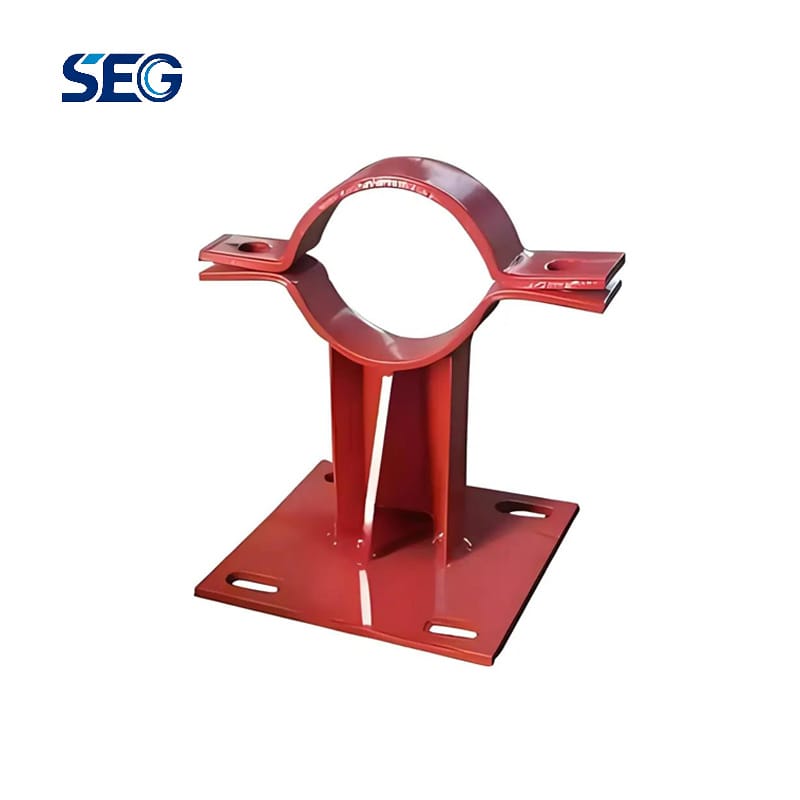
Shoe, clamp, trunnion, lug, and welded attachment details affect local pipe stress. Specify material, dimensions, weld, wear pad, and NDE.
Check whether attachment loads require a local assessment. For pipe support design, the purpose of this step is to turn “shoe, clamp, trunnion, lug, and welded attachment details affect local pipe stress” into a check that can be accepted or rejected. Complete it before Pipe Support moves beyond coordinate the pipe attachment, and identify the document or measurement that supports the result.
Include insulation and temperature
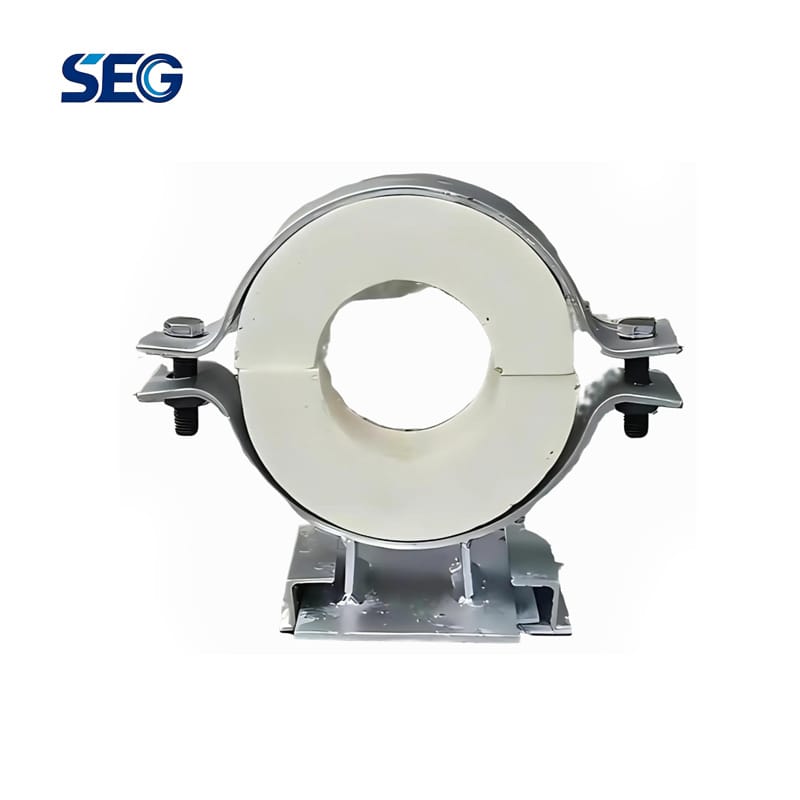
Insulation thickness changes clamp size and elevation. High or low temperature can require load-bearing insulation, thermal breaks, or special sliding materials.
Do not crush insulation under a generic clamp. The practical risk at include insulation and temperature is an interface that appears acceptable by itself but fails when assembled. Relate the Pipe Support finding to the mating pipe, fitting, structure, instrument, coating, or building element affected by “high or low temperature can require load-bearing insulation, thermal breaks, or special sliding materials”.
Survey structural interfaces
Give steel elevations, concrete embed locations, edge distances, access, fireproofing, and available adjustment. A support can be mechanically correct yet impossible to install.
Resolve clashes before fabrication. Timing matters here. Evidence for survey structural interfaces is strongest while the relevant marking, surface, dimension, or connection is visible. For pipe support design, record the item reference, observed condition, and disposition before later work conceals the feature described by “resolve clashes before fabrication”.
Create a load-to-tag audit trail
Each support tag should link calculation input, drawing, material list, spring data where applicable, and final setting. Record field changes and as-built position.
Uncontrolled support changes can invalidate the stress model. Keep design and workmanship decisions separate during create a load-to-tag audit trail. The approved drawing, data sheet, code, or procedure defines the required Pipe Support condition; inspection establishes whether the supplied condition meets it. A familiar shop practice cannot replace that comparison.
Standards and Source Documents
Use the edition named by the contract. Primary reference starting points include ASME codes and standards, MSS standards organization, OSHA materials handling, ASTM standards library. Their scopes differ, so a general reference must not be treated as the acceptance criterion for every product or project.
Related Sirgou Resources
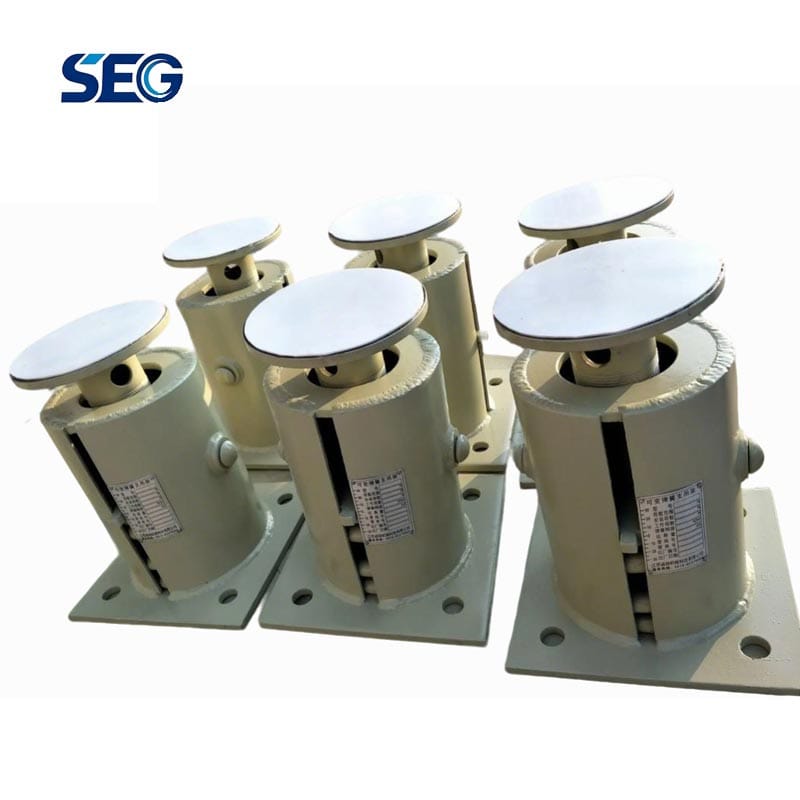
Compare the Pipe Support product page with Spring Support Hanger and Vermiculite Thermal Insulation Pipe Support. For supplier qualification context, read the pipe and fittings supplier guide. These pages support product research; they do not make adjacent products interchangeable.
Frequently Asked Questions
What should be confirmed first? — pipe support design
Dead weight, pressure, thermal movement, wind, seismic events, relief thrust, and occasional loads may act differently. Provide signed load components for each governing condition. If the project document is more specific, its requirement controls.
Which interface causes the most mistakes? — pipe support design
Thermal travel at the support determines sliding surface, guide gap, rod swing, spring selection, and clearance. Do not assume the support is stationary because the structure is fixed. If the project document is more specific, its requirement controls.
When should the check be recorded? — pipe support design
Insulation thickness changes clamp size and elevation. Do not crush insulation under a generic clamp. If the project document is more specific, its requirement controls.
What belongs in the final acceptance file? — pipe support design
Each support tag should link calculation input, drawing, material list, spring data where applicable, and final setting. Uncontrolled support changes can invalidate the stress model. If the project document is more specific, its requirement controls.
Before closing coordinate the pipe attachment, connect the requirement “Shoe, clamp, trunnion, lug, and welded attachment details affect local pipe stress” with the action “Check whether attachment loads require a local assessment”. In this pipe support design review, that connection identifies what was checked, why it matters to Pipe Support, and which project record carries the final answer.
Project Takeaway
Pipe support design cannot start from a hanger catalogue. Use the article as a decision guide, then put the selected values, acceptance evidence, and approved deviations into the controlled project documents. For product-specific questions, contact Sirgou with the service conditions, size range, quantities, standards, and required documentation.