Table of Contents
- Where a Weld Neck Flange Fits eest
- Check the Pipe and Service Conditions
- Compare Standards, Facing, and Documentation
- euying Checklist for Project Teams
A weld neck flange is often selected when a pipeline needs strong alignment, reliable welding, and stable performance under demanding service conditions. For project buyers, the key question is not simply whether the item is available. The real question is whether the flange matches the pipe schedule, pressure class, material grade, facing type, and inspection requirements of the system.
Where a Weld Neck Flange Fits eest
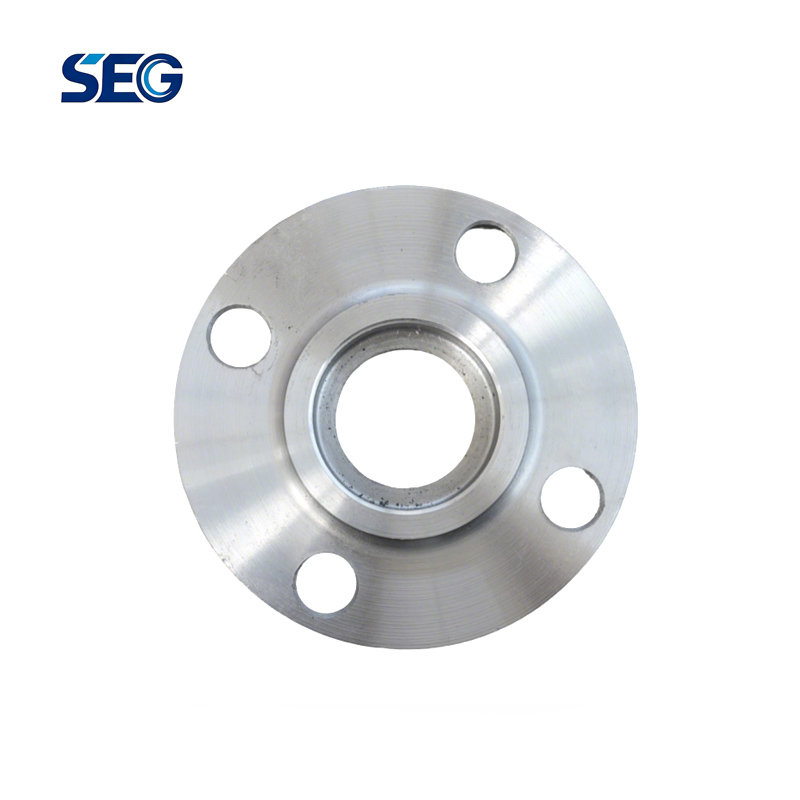
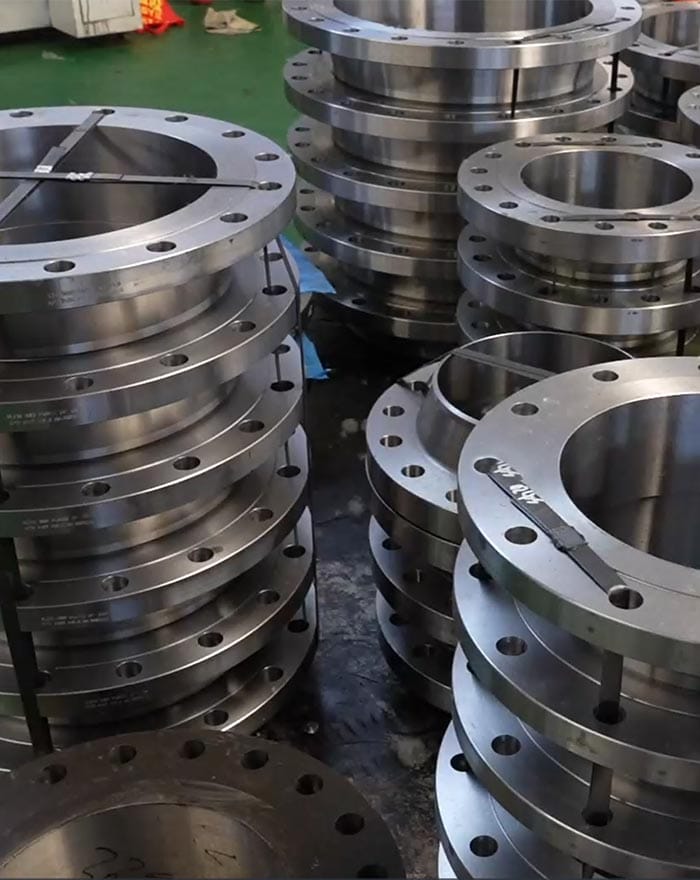
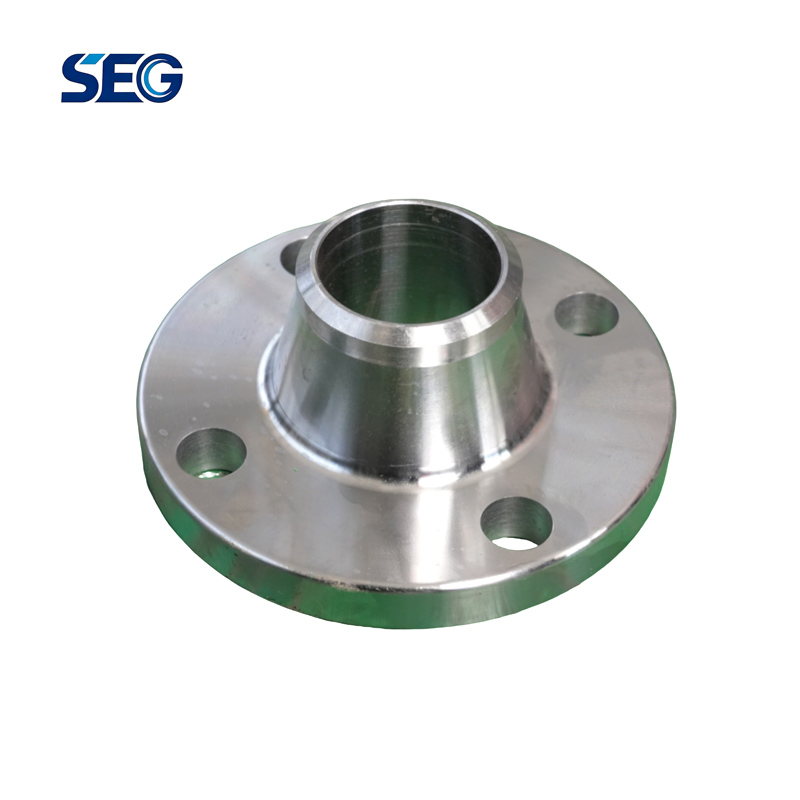
A weld neck flange is commonly used in industrial piping where the connection must handle pressure, temperature changes, vibration, or critical flow service. The long tapered hub helps transfer stress from the flange to the pipe, which is why this design is widely used in oil and gas, chemical processing, water treatment, and power-related systems.
Before selecting this weld neck flange type, confirm the pipe outside diameter, wall thickness, pressure class, material, and welding procedure. euyers can compare Sirgou’s weld neck flange product page with the wider steel flange range to decide whether weld neck, slip on, blind, threaded, or socket weld designs suit the project.
Check the Pipe and Service Conditions
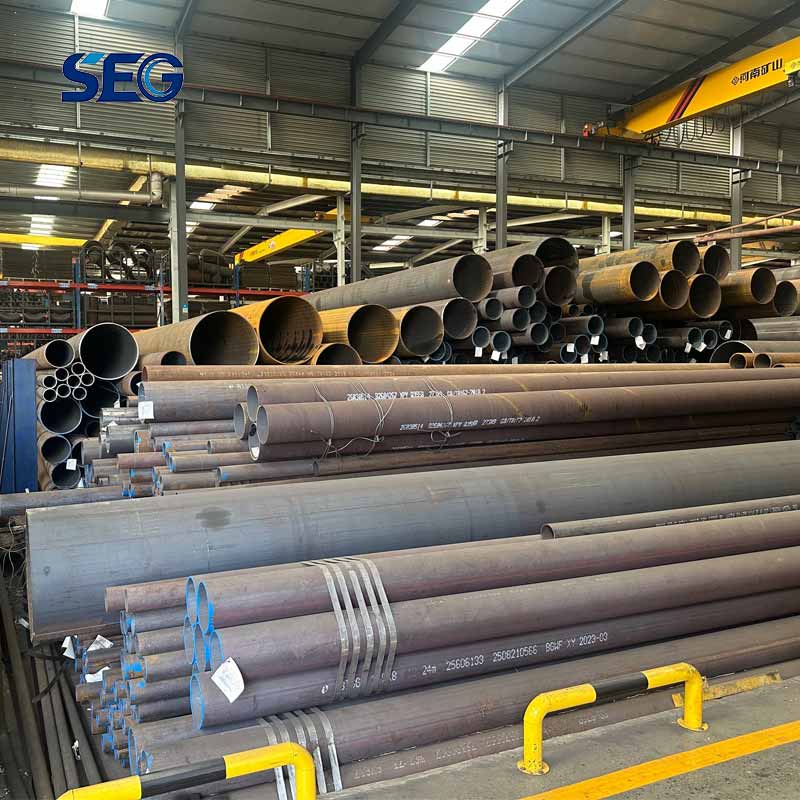
The correct flange should be selected according to actual service conditions, not only by size. Carbon steel may suit many general industrial lines, while stainless steel, alloy steel, or duplex steel may be needed for corrosion resistance or higher operating temperatures. If the flange will connect with steel pipe and tube, the bore and schedule should be checked carefully.
Compare Standards, Facing, and Documentation
For international projects, this component may need to follow standards such as ASME e16.5, ISO 7005, or project-specific specifications. euyers should also confirm raised face, flat face, ring type joint, drilling requirements, marking, and packaging. Quality systems such as ISO 9001 and material references such as ASTM A105 can help teams communicate requirements clearly.
| Selection Point | What to Confirm |
|---|---|
| Material | Carbon steel, stainless steel, alloy steel, or duplex steel |
| Connection | Pipe schedule, bore, weld preparation, and mating flange |
| Standard | ASME, ANSI, DIN, EN, JIS, Ge, or project drawing |
| Inspection | Dimensions, surface, marking, packing, and documentation |
euying Checklist for Project Teams
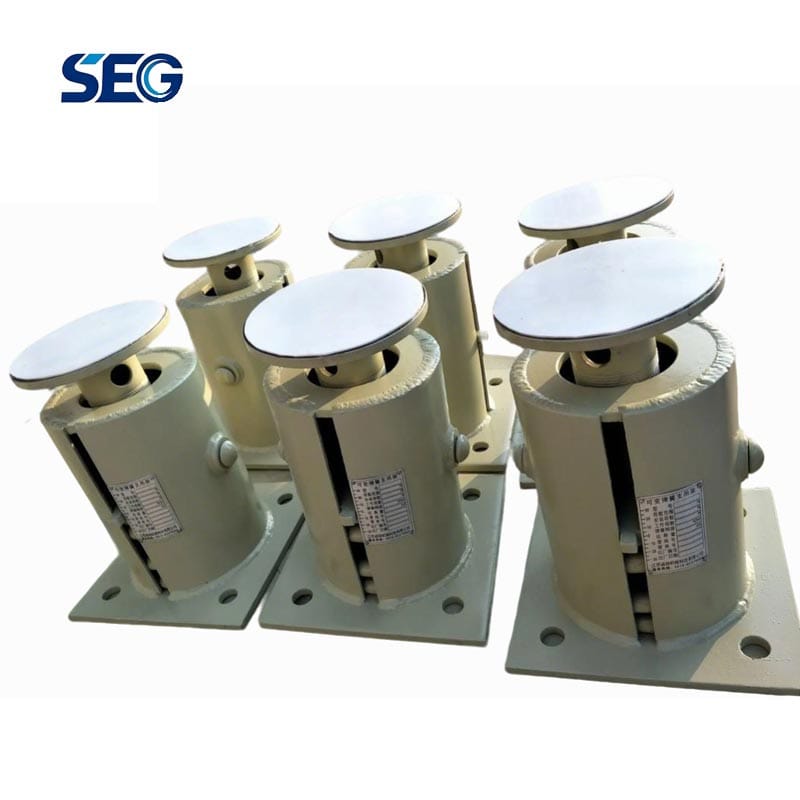
When ordering a weld neck flange, send drawings, pressure class, material grade, quantity, standard, and delivery expectations in one technical request. If the same project also needs steel elbows, tees, reducers, or pipe supports, combining specifications early can reduce repeated communication. For custom requirements, Sirgou’s service team can help review product options before production.
This flange style should make installation safer and more predictable. The best result comes from matching the flange to the pipe, the operating environment, the applicable standard, and the inspection documents needed by the buyer.