Table of Contents
- Define the Building Drainage Requirements
- Check Pipe, Fittings, and Installation Details
- Review Quality and Project Coordination
- Simple Buyer Checklist
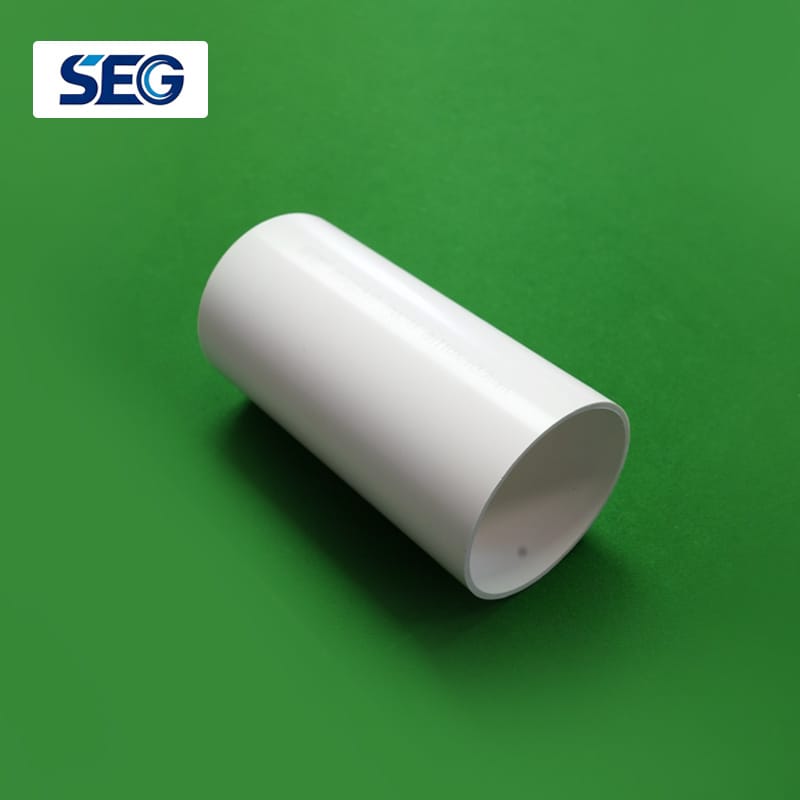
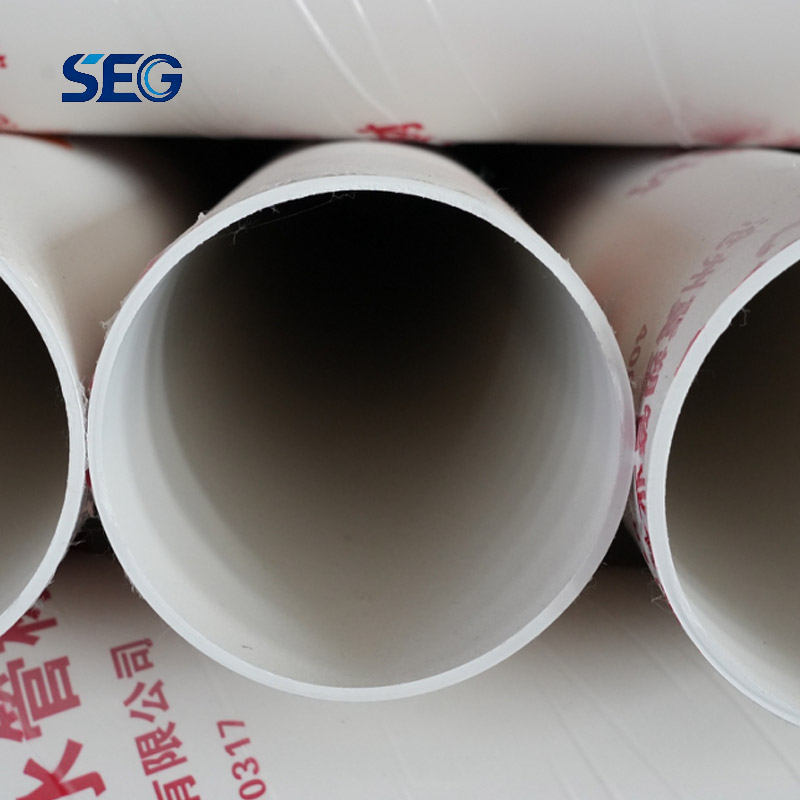
A PVC drainage pipe is widely used in modern building projects because it is lightweight, corrosion resistant, and practical for wastewater and drainage systems. For contractors and distributors, the challenge is choosing a PVC drainage pipe that fits the project design, installation method, fitting system, and long-term maintenance expectations.
Define the Building Drainage Requirements
Before ordering a PVC drainage pipe, confirm whether the system will serve residential buildings, commercial properties, hotels, hospitals, schools, or municipal construction. The project type affects pipe diameter, layout, noise control, fire safety requirements, and the number of elbows, tees, and inspection fittings needed.
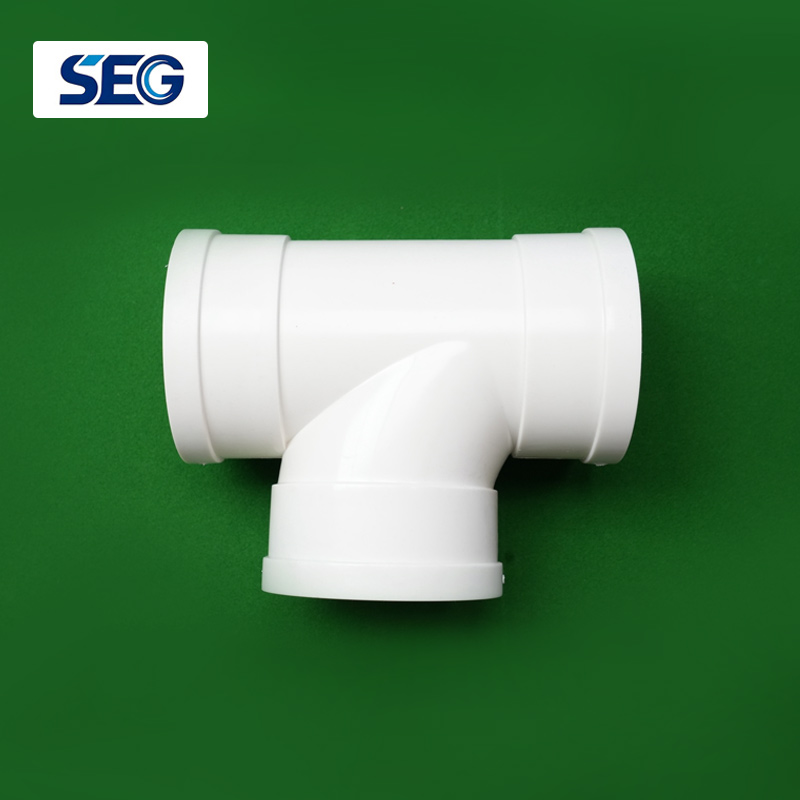
Sirgou offers PVC-U drainage pipe as part of its construction industry pipe fittings range. Buyers can also match the pipe with PVC elbows, PVC tees, and other building plumbing products.
Check Pipe, Fittings, and Installation Details
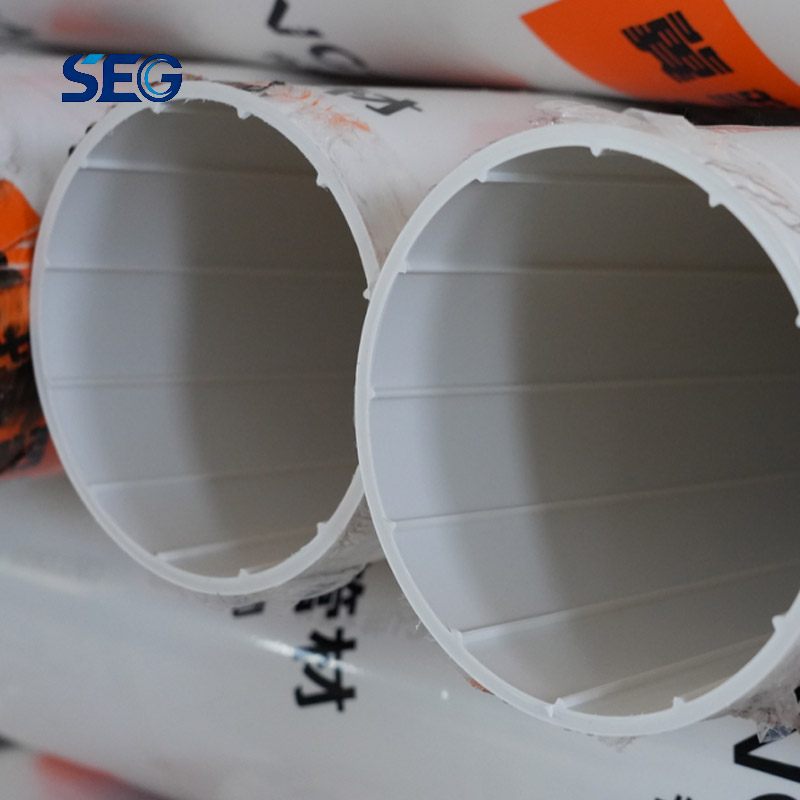
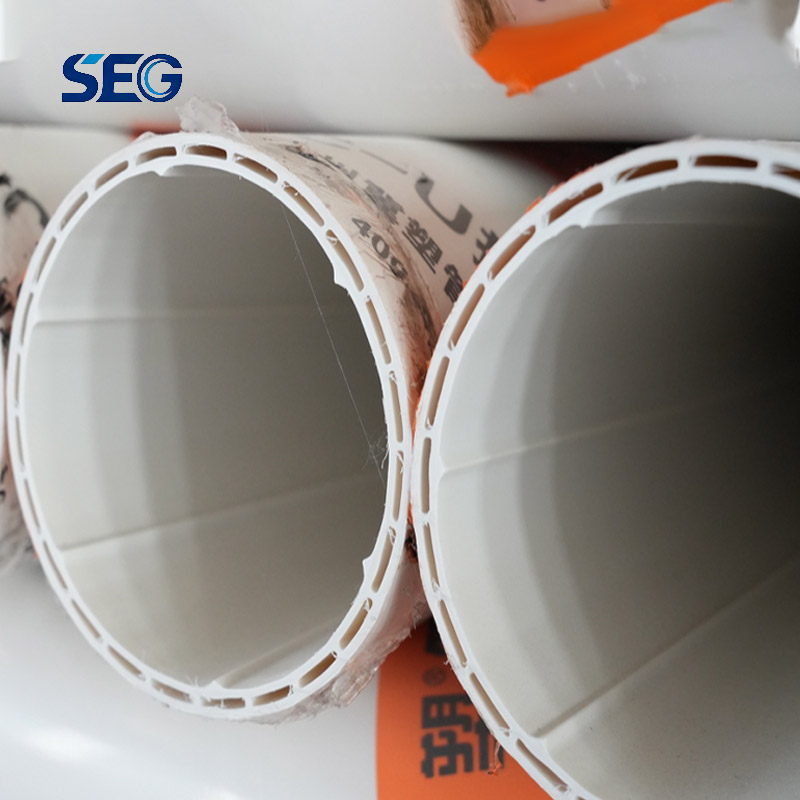
A PVC drainage pipe must work as part of a complete system. Confirm pipe size, socket design, wall thickness, fitting compatibility, slope requirements, and whether the project needs standard drainage pipe, short pipe, spiral silencer pipe, or hollow spiral silencing pipe. Smooth internal flow and reliable jointing help reduce blockage and maintenance problems.
For background, project teams may review general material information from polyvinyl chloride, quality management guidance from ISO 9001, plumbing-related water safety context from NSF/ANSI 61, and building product standards from ASTM International. These references help buyers communicate requirements without relying on vague descriptions.
Review Quality and Project Coordination
When buying PVC drainage pipe for a project, ask for clear product specifications, packing details, and fitting lists. Mixed orders often include pipe, elbows, tees, inspection tees, and other accessories, so early coordination helps avoid shortages during installation. If the same project includes hot and cold water supply, review related PPR pipe fittings or PE-RT underfloor heating pipe at the same time.
| Check Point | Buyer Action |
|---|---|
| Pipe type | Confirm drainage, short pipe, or silencing pipe requirements |
| Fittings | Match elbows, tees, and inspection fittings with the layout |
| Installation | Check slope, support spacing, joint method, and access points |
| Packaging | Confirm labels, quantities, and project shipment details |
Simple Buyer Checklist
- Confirm the building type and drainage layout.
- Match each PVC drainage pipe with compatible elbows and tees.
- Check whether noise reduction or special pipe structure is required.
- Share quantity, packing, and delivery needs before production.
A well-selected PVC drainage pipe helps contractors improve installation efficiency and reduce later maintenance risk. For project recommendations or combined building plumbing orders, contact Sirgou with drawings, quantities, and product requirements.