Table of Contents
PPR pipe decisions become easier when the enquiry starts with the actual connection and the job it must perform. This guide focuses on planning a Hot-and-Cold Water Material Schedule. A building schedule should separate hot service, cold service and recirculation. Record the design temperature and pressure for each circuit so one familiar pipe label is not applied indiscriminately throughout the building.
For a project involving ppr straight pipe, the practical starting point is a review of product range, socket sizes, service conditions and threaded interfaces. Keep those requirements together with the drawing revision, quantity and delivery scope. The following PPR pipe review moves from the physical interface to the evidence needed for purchasing and handover. It is intended for buyers, estimators and technical reviewers who need a clear specification rather than a catalogue description alone.
PPR pipe: identify the exact piping system
PPR is a material-family description rather than a complete product specification. The pipe and fitting range, dimensional series and application limits still need to be identified. For PPR pipe, ask for the exact product documentation that applies to the offered components. Confirm whether the intended service is hot water, cold water or another approved application. A pipe color does not establish pressure-temperature capability or drinking-water acceptance. Keep any local approval requirement visible in the enquiry and avoid transferring documentation from a different range that happens to look similar.
Check the installed envelope and access route
The component occupies space during installation, operation and maintenance. For PPR pipe, include neighboring services, insulation, walls and structural elements in the layout review. Consider the path needed to bring the part into position and remove it later if required. A catalogue dimension alone may not capture the tool or assembly clearance. Where access is limited, coordinate the sequence and inspection points early. Do not assume that a part that fits in the final position can necessarily be assembled there using the approved installation method.
Coordinate fusion interfaces before buying
Socket geometry and pipe dimensions must suit the specified joining system. For PPR pipe, confirm compatibility using the manufacturer's information and the project requirements. A component that can be pushed together by hand has not thereby demonstrated an acceptable fusion interface. Installation needs the correct equipment, preparation and procedure for the actual size and conditions. Do not use one universal heating time or insertion rule copied from an unrelated product. Procurement should supply the installer with the approved instructions and preserve the product identity to which those instructions apply.
PPR pipe: consider conditions beyond normal operation
Start-up, shutdown, cleaning, testing or temporary construction conditions may differ from everyday operation. For PPR pipe, ask which of these conditions the design requires the component to accommodate. Keep the relevant cases explicit rather than assuming the normal operating point governs everything. The responsible designer should determine the acceptance basis. Procurement can then ask the supplier to confirm the specified product against that basis. This avoids broad promises about suitability while ensuring that foreseeable project requirements are not lost between the engineering schedule and the purchase order.

Specify metal transitions as separate interfaces
A threaded PPR transition combines a plastic body with a metal connection. The thread form, size, mating device and installation requirements must all be agreed. For PPR pipe, identify which side is male or female and how attached valves or fixtures are supported. Visual similarity does not establish thread compatibility. The manufacturer's instructions should govern sealant suitability and assembly precautions. Excessive force or an unsupported connected device can create an installation problem even when the nominal sizes match. Record the actual transition type rather than describing every white fitting as a generic adapter.
PPR pipe: use a coordinated bill of materials
An application package should include the companion components needed to realize the approved arrangement. For PPR pipe, cross-check the bill against the drawing and identify closures, transitions, supports or connection hardware that fall outside the primary product line. Keep optional spares separate from installed quantities. Repeated layouts should use a verified base bill before quantities are multiplied. If the route changes, update the associated items together. A complete package reduces installation interruptions and makes the supplier quotation easier to compare because the same scope is presented to every bidder.
Keep concealed work inspectable through records
Before walls or floors are closed, retain the required inspection and test evidence together with route photographs and product identification. For PPR pipe, mark reserved outlets and transitions so later trades can recognize their purpose. Follow the approved testing and handover procedure for the system; a local article cannot establish a universal test pressure or duration. Record damage, repairs and deviations while the installation is visible. The completed record should let a maintenance team locate important fittings and understand which product system was used without opening finished surfaces merely to identify the material.
PPR pipe: define what successful handover will demonstrate
Application suitability should be supported by a clear chain from design requirement to delivered product and installed record. For PPR pipe, decide what evidence must be available at handover: accepted drawings, product identity, inspection results and any required settings or test records. Keep unresolved deviations visible until the responsible party closes them. The final package should help the operator understand the assembly and its interfaces. A successful delivery is more than a box count; it is the availability of the specified components and the information needed to install and maintain them as intended.
Apply the review to ppr straight pipe
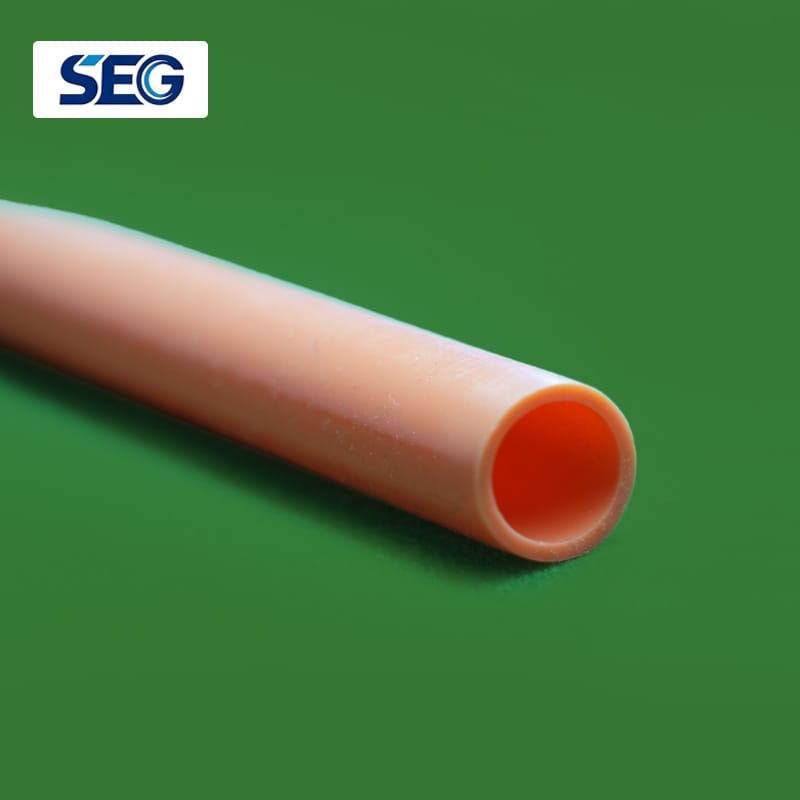
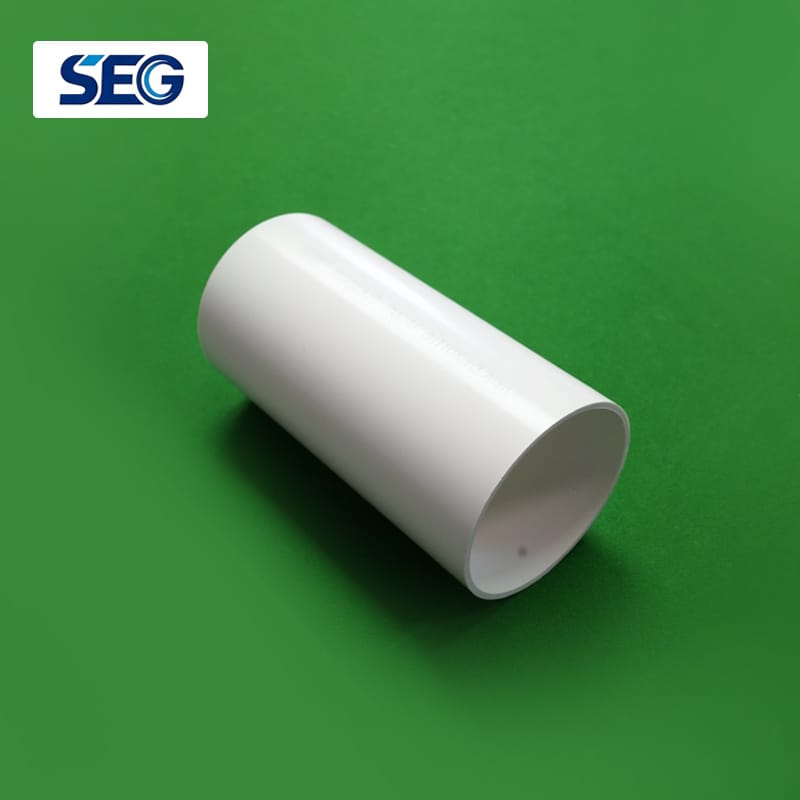
The PPR Straight Pipe page provides a relevant starting point in Sirgou’s product range. Use it to identify the product family, then request the exact drawing and data for the proposed order. For PPR pipe, the key decision is this: A building schedule should separate hot service, cold service and recirculation. Record the design temperature and pressure for each circuit so one familiar pipe label is not applied indiscriminately throughout the building.
Consider a review exercise in which the purchase team receives an offer for ppr straight pipe while one interface detail is still unconfirmed. The commercial description appears to match, but the reviewer cannot yet verify product range, socket sizes, service conditions and threaded interfaces. The next step is to place the open detail on the enquiry record, ask for a written response and compare that response with the design. This is an illustrative workflow, not a reported customer installation or a claim that a particular component has passed inspection.
For PPR pipe, keep three decisions separate in that exercise: whether the proposed product meets the technical requirement, whether the quoted package includes the required evidence, and whether its delivery fits the installation sequence. A positive answer to one question does not answer the other two. If a drawing changes, update the affected item and companion components before release. The accepted record should identify the selected building water-supply connection, the remaining conditions of supply and the person or role responsible for closing each outstanding point.
PPR pipe: compare the evidence
| Review item | Incomplete basis | Useful purchasing basis |
|---|---|---|
| Product identity | A generic name or photograph | PPR Straight Pipe with the specified product range and item reference |
| Critical interfaces | Nominal designation alone | Product range, socket sizes, service conditions and threaded interfaces |
| Application | Assumed suitability for every use | Planning a Hot-and-Cold Water Material Schedule with the actual service and layout defined |
| Acceptance | A general statement that quality is good | Referenced drawings, applicable documents and recorded checks |
| Commercial scope | Unit price without exclusions | Comparable quantity, documents, packing and delivery terms |
| Change control | An informal equivalent substitution | Written review of the difference and its affected interfaces |
Use this PPR pipe comparison as an enquiry checklist, not as a substitute for the approved engineering documents. The incomplete and useful columns describe different levels of information; they are not product grades or a ranking of manufacturers. Add the actual offered values and their sources beside the relevant requirement. If two offers use different technical assumptions, resolve the difference before treating their prices as comparable.
Prepare an enquiry that can be answered
For PPR pipe, send the supplier a concise package containing the intended application, the required building water-supply connection, the current drawing and the quantity schedule. Include product range, socket sizes, service conditions and threaded interfaces, together with the inspection and document requirements. State the requested delivery date and destination, and ask the supplier to identify every deviation or missing input. A focused enquiry reduces repeated clarification because the supplier can respond to the actual project rather than guessing what a short product name means.
Sirgou describes customization, technical support, inspection coordination and export support on its pipeline equipment service page. Ask which services and records apply to this particular order. Do not assume a general capability statement confirms a specific grade, certificate scope, lead time or test result. For PPR pipe, obtain those commitments in the quotation and approved technical submittal so the final purchase decision has a clear basis.
For related background, see PPR Threaded Fittings: How to Prevent Leaks. For standards and technical reference scope, consult the relevant standards or technical publication source. Use the applicable project edition and product-specific documents for acceptance values; this guide does not reproduce a verified dimensional or rating table.
Request a project-specific quotation
Planning an order involving PPR pipe? Send Sirgou your drawing, product sizes, service conditions, quantity and delivery requirements. Ask for a proposal that identifies the exact product, documents and any deviations. Use the form below to start a specification review and request a quotation based on your project.
Frequently asked questions
What should a PPR pipe enquiry include?
Identify the exact product and application, then provide product range, socket sizes, service conditions and threaded interfaces. Add quantity, delivery scope and the required documents. For the ppr straight pipe option, request the applicable drawing rather than relying on a product photograph.
Can PPR pipe be selected from the product name alone?
No. The name identifies a search or product category, but it does not resolve every interface or service requirement. For PPR pipe, verify the actual configuration against the approved drawing and the applicable product information before ordering.
Which documents help verify PPR pipe?
Use the documents required by the project, such as the approved drawing, product data, material or batch records and relevant inspection results. Each record should identify the offered or delivered item. A general supplier certificate does not establish every property of PPR pipe.
How should buyers compare PPR pipe quotations?
First align the technical requirement, quantity basis and included scope. Then compare price, packing, documents and delivery terms. Keep deviations visible. A quotation for PPR pipe is only comparable when it covers the same accepted requirement.
What is the next step when a PPR pipe detail is unclear?
Record the missing feature and ask the supplier or responsible designer for a written clarification. Do not turn an unknown into an assumed value. For this topic, focus on planning a Hot-and-Cold Water Material Schedule and retain the final decision with the order.