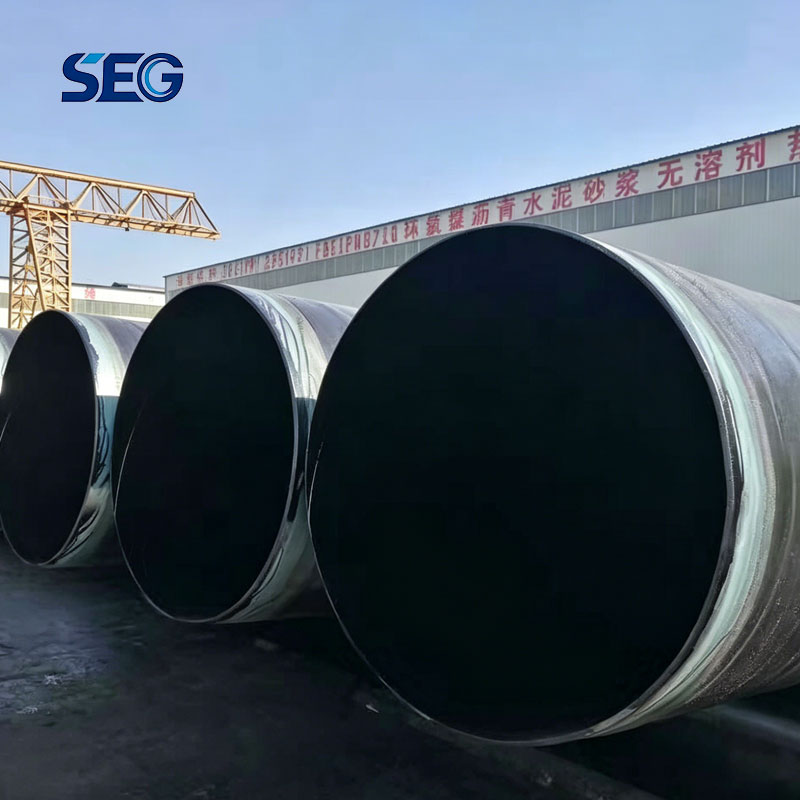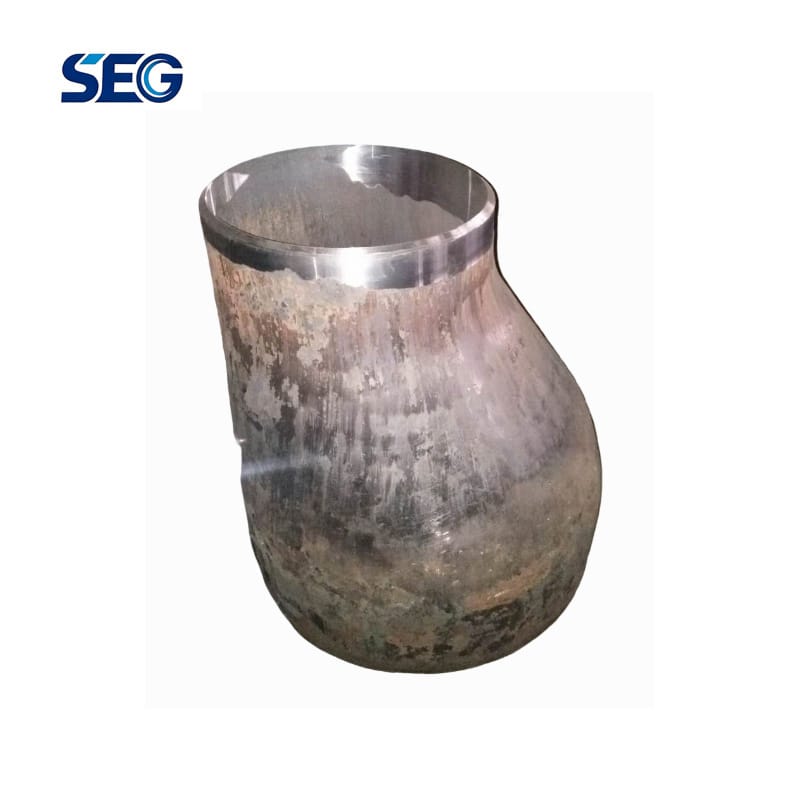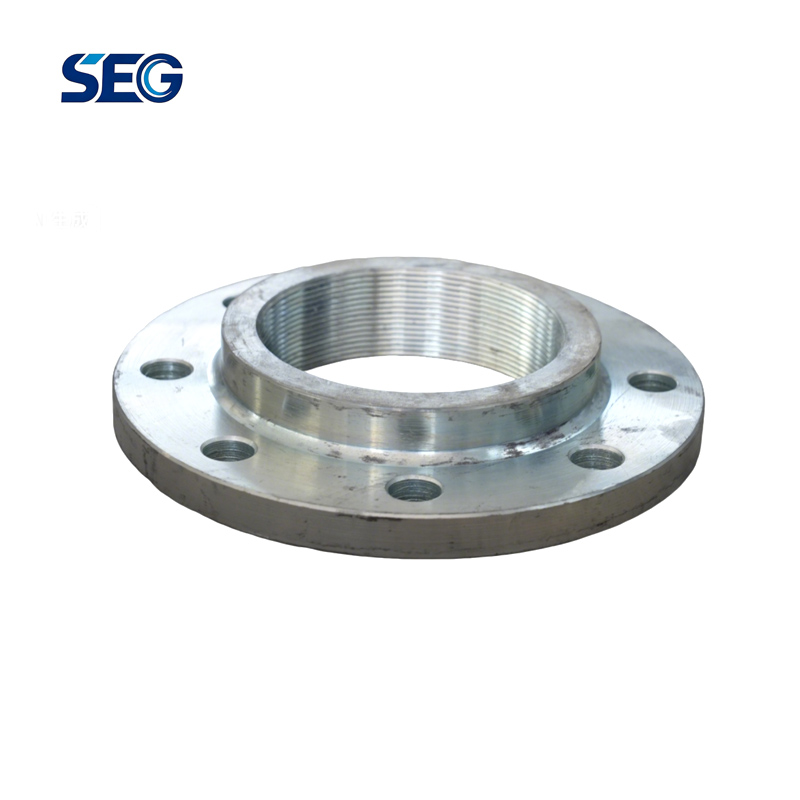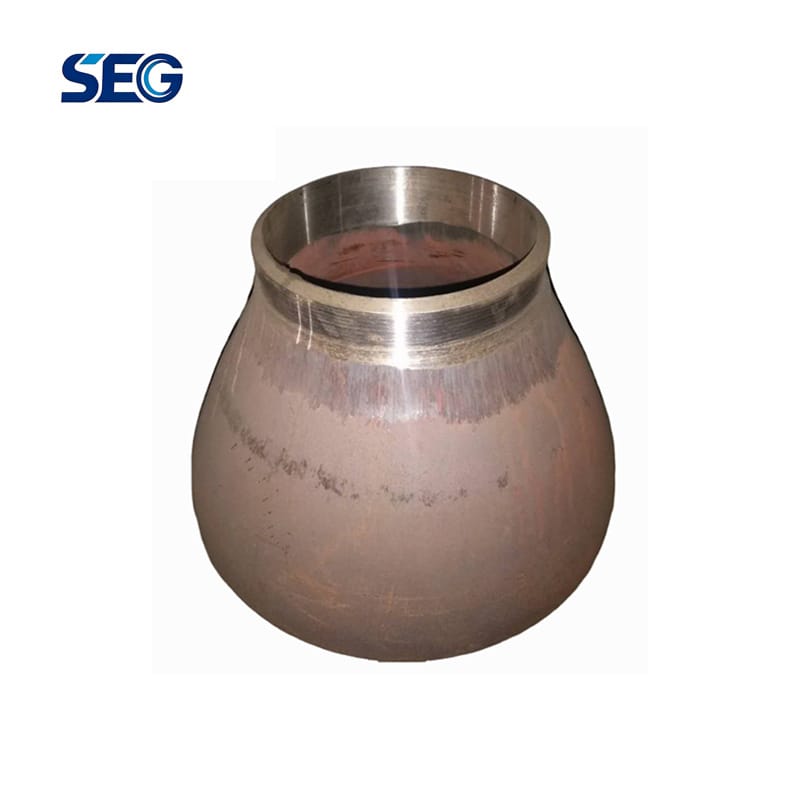
Choosing the Right Pipe Fittings and Materials for Different Working Conditions.
Material selection is one of the most critical factors affecting the performance, safety, and service life of industrial pipeline systems. Whether transporting oil, gas, chemicals, steam, or water, selecting the appropriate material can significantly improve operational efficiency while reducing maintenance costs and system failures.
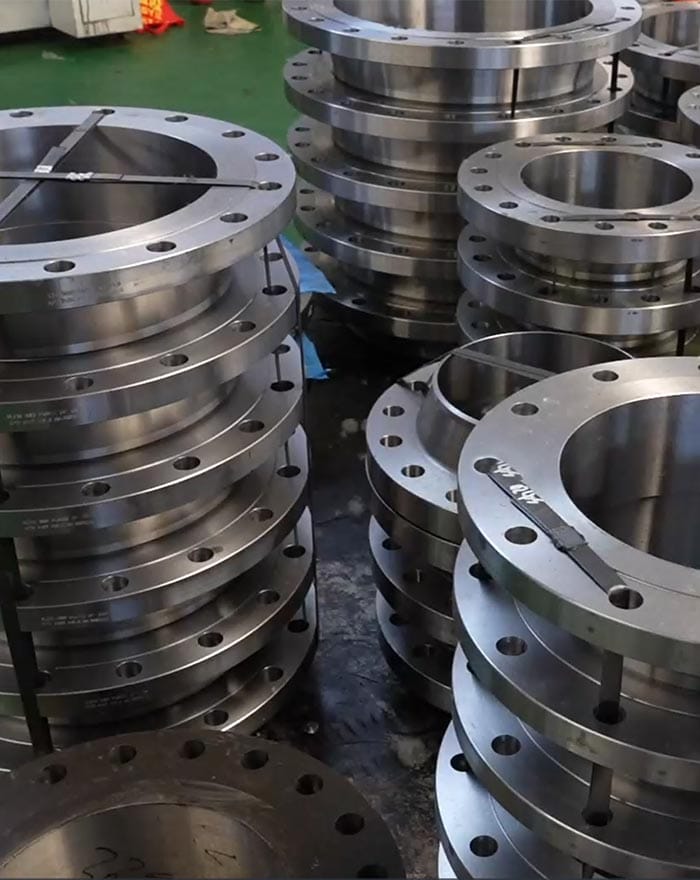
Industrial pipeline components are commonly manufactured from carbon steel, stainless steel, alloy steel, and specialized corrosion-resistant materials. Each material offers unique advantages depending on operating conditions and application requirements.
Carbon steel remains one of the most widely used materials due to its excellent strength, affordability, and versatility. It is commonly applied in oil transportation, water treatment systems, structural piping, and general industrial facilities. Carbon steel pipe fittings provide reliable mechanical performance and can be manufactured in a wide range of sizes and pressure ratings.
Stainless steel is preferred in environments where corrosion resistance is essential. Industries such as food processing, pharmaceuticals, chemical manufacturing, and marine engineering often rely on stainless steel piping systems to prevent contamination and maintain long-term durability. The material’s resistance to oxidation and chemical attack makes it ideal for aggressive operating conditions.
Alloy steel products are designed for high-temperature and high-pressure applications. Power generation plants, refineries, and petrochemical facilities frequently use alloy steel components because of their superior mechanical properties and thermal stability. These materials can withstand extreme service conditions while maintaining structural integrity.
Another important consideration is the working environment itself. Temperature fluctuations, pressure levels, transported media, humidity, and exposure to chemicals all influence material performance. Engineers must carefully evaluate these factors before selecting pipeline components to ensure long-term reliability.
In addition to material properties, manufacturing quality plays a vital role. Proper heat treatment, dimensional accuracy, welding quality, and inspection procedures are essential to achieving consistent product performance. International standards such as ASTM, ASME, and EN specifications provide guidance on material requirements and production quality.
Selecting inappropriate materials can lead to premature corrosion, leakage, equipment failure, and costly downtime. Therefore, procurement decisions should be based on technical requirements rather than solely on initial purchase price.
As industrial facilities become more complex and operating conditions more demanding, material engineering continues to evolve. New alloys and advanced manufacturing technologies are helping manufacturers develop pipeline products with improved strength, corrosion resistance, and service life.
For project owners and procurement professionals, understanding material selection principles is key to optimizing system performance and ensuring long-term operational success.