Table of Contents
A pipe reducer looks simple at first glance, but it often sits at one of the most sensitive points in a piping system: the place where diameter, flow velocity, pressure behavior, installation layout, and equipment connection all meet. For contractors, distributors, EPC teams, and maintenance buyers, choosing the right pipe reducer is not only a matter of matching two pipe sizes. It is a practical decision that affects system reliability, installation accuracy, inspection work, and long-term operating stability.
This guide explains how to select a pipe reducer for industrial piping projects without relying on vague product descriptions. It focuses on the questions buyers usually need to answer before sending an RFQ: which reducer type is suitable, which material should be used, which standard should be referenced, what installation conditions matter, and what details should be confirmed with the supplier before production.
Start With the Function of the Reducer
A pipe reducer connects pipes with different outside diameters or nominal sizes. That sounds straightforward, but the transition can change how fluid moves through the line. A smaller outlet may increase flow velocity. A larger outlet may reduce velocity but change pressure behavior. In pump systems, drainage lines, chemical piping, water supply systems, and oil and gas pipelines, this transition must be controlled rather than treated as an afterthought.
Before selecting a pipe reducer, define the purpose of the size change. Is the line connecting to a pump nozzle? Is it joining a main pipe to a smaller branch? Is the goal to reduce pressure loss, manage drainage, prevent air pockets, or connect equipment with a different connection size? The answer will guide the reducer type, orientation, material, wall thickness, and inspection requirements.
For general background, a piping fitting is commonly used to connect, adapt, redirect, or control flow within a piping network. You can review the basic concept through piping and plumbing fitting references, but industrial selection requires more detail because the fitting must work with pressure, temperature, medium, and project standards. In that environment, a pipe reducer becomes a specification item, not a generic accessory.
Choose Between Concentric and Eccentric Reducers
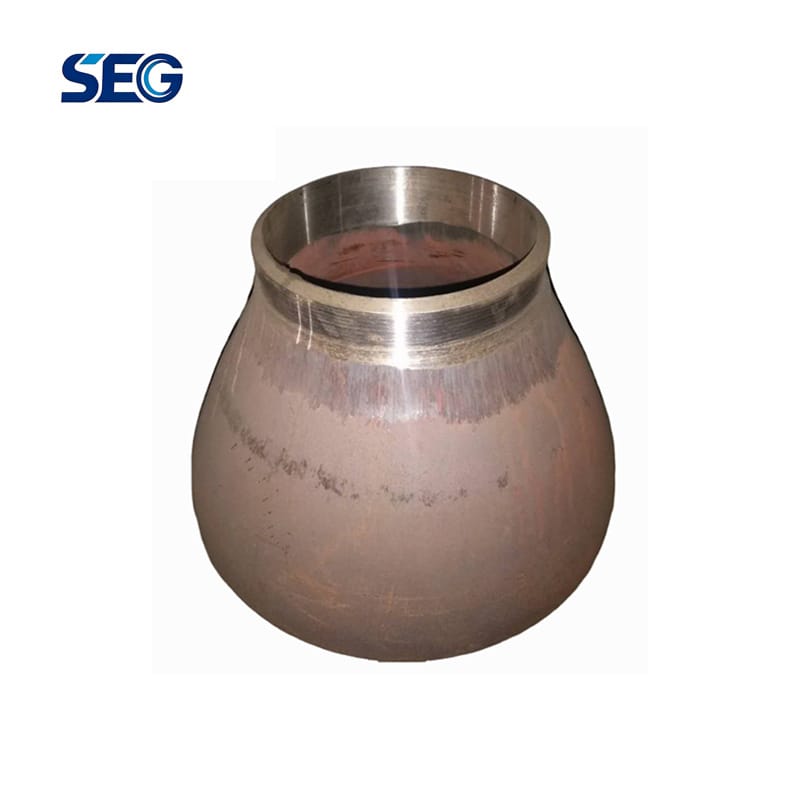
The first major decision is reducer geometry. A concentric reducer keeps the pipe centerline aligned. It is symmetrical, with the larger and smaller ends sharing the same central axis. This type is often used in vertical piping, general process piping, and systems where alignment is more important than drainage or air removal.
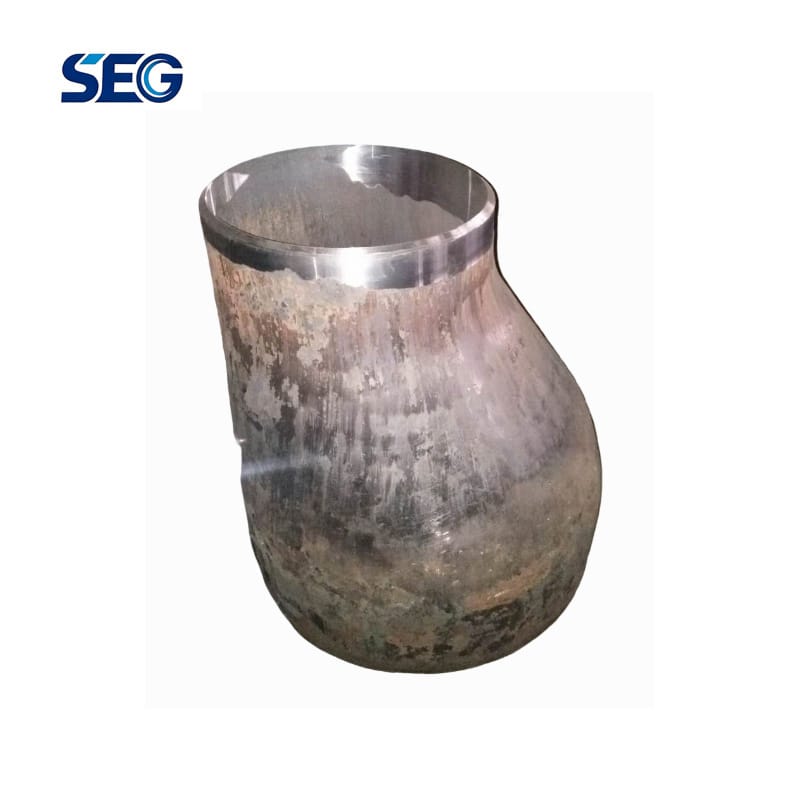
An eccentric reducer has an offset centerline. One side remains flat while the other side slopes. This design is useful in horizontal lines where the engineer needs to manage liquid drainage, prevent air pockets, or improve pump suction conditions. In many pump suction arrangements, an eccentric pipe reducer may be installed with the flat side on top to help reduce the risk of vapor accumulation, depending on the system layout and engineering requirement.
| Selection Point | Concentric Reducer | Eccentric Reducer |
|---|---|---|
| Centerline | Aligned through the fitting | Offset from one end to the other |
| Typical use | Vertical piping and general transitions | Horizontal lines, pump suction, drainage-sensitive layouts |
| Flow concern | Smooth symmetrical transition | Air pocket or liquid pocket control |
| Buyer check | Confirm size, wall thickness, material, and standard | Confirm flat-side orientation and installation direction |
Neither reducer type is automatically better. The right pipe reducer depends on the line position, fluid behavior, equipment connection, and maintenance expectations. If the drawing does not clearly state the reducer type and orientation, buyers should ask the project engineer before ordering. That conversation is far easier before the pipe reducer is produced than after the goods reach the site.
Match Material to the Medium and Operating Conditions
Material selection should never be based only on availability. A pipe reducer must match the pipe, fluid, pressure, temperature, corrosion environment, and joining method. Common industrial options include carbon steel, stainless steel, alloy steel, duplex steel, and low-temperature steel. Each material has its own role, and the wrong choice can increase the risk of corrosion, cracking, leakage, or premature replacement.
Carbon steel is widely used in many industrial pipelines because it offers strength and practical fabrication performance. Stainless steel may be preferred where corrosion resistance or hygiene matters. Alloy steel is often considered for higher temperature or more demanding service. Duplex steel may be used where strength and corrosion resistance are both important. Low-temperature steel is relevant when the line must operate in colder conditions. The pipe reducer material should follow the same engineering logic as the connected pipe and nearby fittings.
When a project includes pipes, elbows, tees, and flanges, material consistency becomes even more important. Sirgou supplies steel pipe and tube products together with reducers and other industrial pipe fittings, which helps buyers coordinate compatible product packages instead of sourcing each component separately.
For more context on this topic, the existing article about material selection in industrial pipeline systems explains why the operating medium and working environment should drive the material decision.
Confirm Standards, Dimensions, and Wall Thickness
A pipe reducer must fit the line mechanically and comply with the project specification. Buyers should confirm the nominal pipe size, outside diameter, wall thickness or schedule, end preparation, material grade, manufacturing standard, and inspection requirement. These details are especially important when products are used in regulated industrial projects or when a shipment includes multiple pipe fitting types.
Standards help control dimensional compatibility, pressure performance, marking, tolerances, and inspection expectations. Industrial buyers commonly reference standards organizations and specifications such as ASME codes and standards, API Specification 5L for line pipe context, ISO/TC 5 for ferrous metal pipes and metallic fittings, and ASTM International for material and testing standards.
If the project document only says standard reducer, that is not enough for procurement. A complete pipe reducer inquiry should identify whether the product is concentric or eccentric, what standard applies, what material grade is required, what size transition is needed, what wall thickness applies at each end, and whether the ends are prepared for welding or another connection method.
Think About Flow, Pressure, and Equipment Protection
The shape and placement of a pipe reducer can affect flow behavior. Sudden size transitions may create turbulence, pressure variation, vibration, or uneven flow distribution. In many systems, the reducer is placed near pumps, valves, strainers, meters, or equipment nozzles, so its installation can influence more than the pipe itself. A correctly specified pipe reducer can make the transition easier to inspect and easier to install.
For pump connections, the reducer arrangement should follow the engineering drawing and pump manufacturer guidance. Buyers should avoid changing a specified eccentric pipe reducer to a concentric type just because it is easier to source. In drainage-sensitive lines, the flat-side orientation may be critical. In vertical systems, a concentric pipe reducer may be suitable because the symmetrical transition supports alignment and simpler installation.
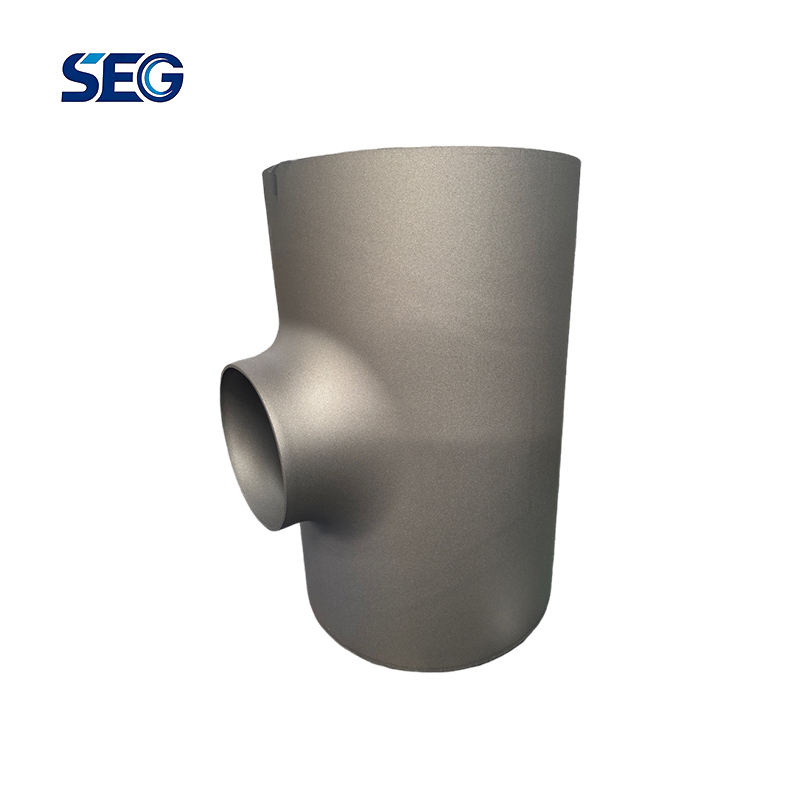
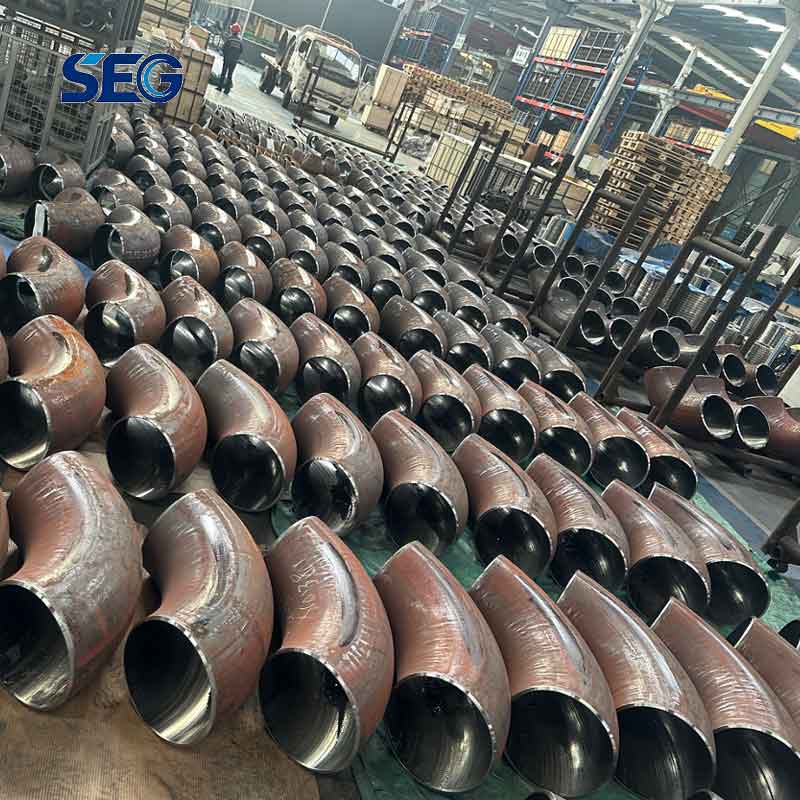
It is also important to review nearby components. If the transition is close to a steel reducing tee, elbow, valve, or flange, the layout may need additional space, supports, or welding access. Sirgou’s 90 degree seamless elbow and reducer products are often considered together in industrial pipe fitting packages because directional change and diameter change frequently appear in the same project drawing.
Review Installation and Inspection Requirements
Installation quality has a direct effect on reducer performance. A well-selected pipe reducer can still cause problems if it is installed with poor alignment, incorrect orientation, unsuitable welding practice, or insufficient support. Before ordering, confirm whether the site team needs bevel ends, specific marking, packaging by line number, or dimensional records for inspection.
Inspection requirements may include dimensional checks, material verification, surface inspection, marking review, and packing confirmation. For export projects, clear documentation helps reduce communication problems between the buyer, supplier, freight forwarder, and site team. If the pipe reducer will be used in a pressure system, ask early about the documents required by the project specification rather than waiting until shipment.
Practical RFQ Checklist for Buyers
A clear RFQ makes supplier response faster and reduces the chance of mismatch. When requesting a pipe reducer quotation, include the following points whenever available:
- Reducer type: concentric or eccentric.
- Size transition: large end size and small end size.
- Wall thickness or pipe schedule for both ends.
- Material grade and any coating requirement.
- Applicable standard, such as ASME, EN, DIN, JIS, ISO, ASTM, or project-specific requirement.
- Connection method and end preparation.
- Quantity, packaging, marking, and delivery expectations.
- Required inspection documents or project acceptance criteria.
If the project includes multiple components, send the full fitting list together. A reducer may need to be matched with pipe, elbows, tees, flanges, gaskets, bolts, and supports. Sharing the complete package gives the supplier a better chance to identify specification conflicts before production begins. It also helps confirm whether the pipe reducer should be supplied together with related fittings for one shipment.
Final Takeaway
The right pipe reducer is the one that fits the drawing, supports the flow condition, matches the material requirement, follows the specified standard, and can be inspected and installed without confusion. For industrial buyers, that means looking beyond the simple size transition and checking the whole working environment before confirming a pipe reducer order.
Sirgou provides concentric reducer, eccentric reducer, steel pipes, elbows, tees, flanges, and related industrial pipe fittings for global pipeline projects. If you need help reviewing a pipe reducer specification or preparing a mixed-product inquiry, you can contact Sirgou with your drawing, material requirement, standard, quantity, and project conditions.